

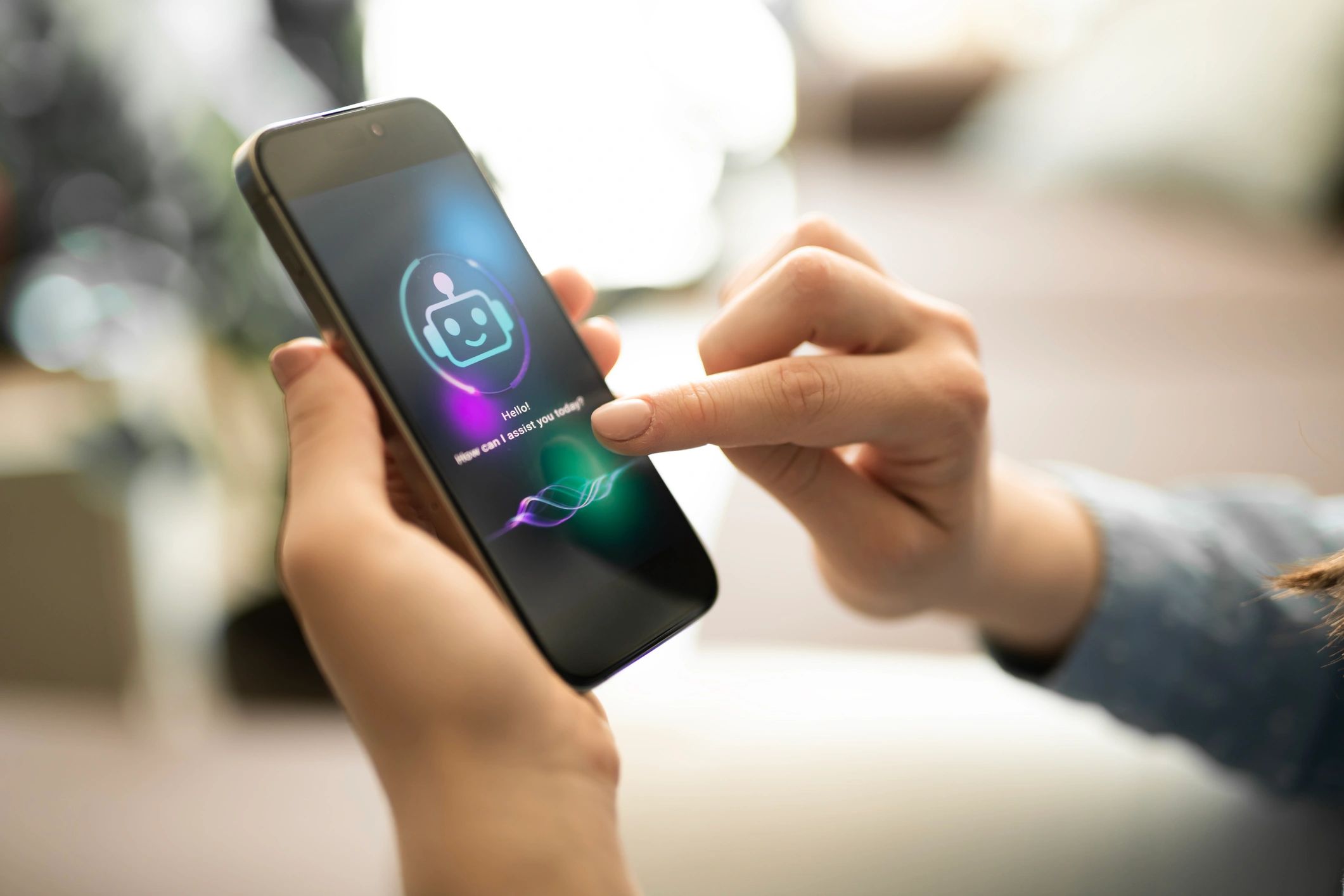
The Rise of AI in Emotional Support: A Growing Dilemma
People are increasingly turning to AI for help with emotional challenges—using tools like ChatGPT to process feelings, navigate tough decisions, and even seek comfort during moments of loneliness. From Lahore to Jhelum and beyond, individuals are engaging in late-night conversations with AI chatbots, asking questions they might not yet feel ready to pose to a human therapist. This shift reflects a broader trend: digital-first mental wellness. With 24/7 access, zero judgment, and immediate responses, AI seems like a convenient alternative to traditional support systems.
But here’s the critical question: should AI be filling the role of a therapist? While these tools excel at providing information and simulating conversation, they lack the emotional intelligence, ethical boundaries, and clinical training essential for true therapeutic work. Unlike licensed professionals, AI cannot form a therapeutic alliance, recognize crisis signals, or tailor interventions based on deeper psychological patterns.
In this post, we’ll unpack four key reasons why relying on AI as a mental health guide can be misleading or even harmful. You’ll learn how emotional support technologies differ from clinical care, what to watch for when using AI in sensitive conversations, and practical alternatives for accessing real, evidence-based help—whether you’re in Punjab or elsewhere. Understanding these distinctions isn’t just about safety; it’s about making informed choices for long-term well-being.
AI Can’t Feel What You’re Feeling—And That Matters
When navigating emotional distress, grief, anxiety, or relationship challenges, the core of healing often lies not in answers, but in being seen and felt. This is where artificial intelligence, no matter how advanced, hits an unbreakable wall: AI lacks genuine empathy and emotional intelligence. Unlike human therapists trained to read tone, body language, and subtle emotional shifts, AI operates on pattern recognition and language modeling—not lived experience or compassionate intuition.
While chatbots may simulate supportive responses, they cannot truly understand sorrow, guilt, or joy. They don’t feel the weight of your silence or the urgency in your voice. As a result, their responses, though sometimes logically sound, often miss the emotional nuance that shapes mental health recovery. For individuals in cities like Jhelum and Lahore, where cultural context deeply influences emotional expression, this limitation becomes even more pronounced.
Relying on AI for emotional support risks normalizing superficial solutions to deep struggles. Instead, consider these steps:
- Seek licensed professionals who offer empathetic, culturally aware therapy
- Use AI tools only for supplemental resources, like tracking mood patterns or organizing thoughts
- Prioritize human connection—whether through support groups, counselors, or trusted individuals
True emotional healing requires more than data processing—it demands shared humanity.
AI Lacks the Clinical Depth Needed for Mental Health Support
While artificial intelligence can simulate conversation and offer general suggestions, it falls short when addressing complex psychological conditions that require professional clinical insight. Unlike licensed therapists trained in evidence-based modalities like cognitive behavioral therapy (CBT) or dialectical behavior therapy (DBT), AI models operate on pattern recognition—not genuine understanding of human emotion, trauma, or neurobiology. This limits their ability to accurately assess risk factors, recognize symptoms of disorders like depression, bipolar disorder, or psychosis, and provide appropriate interventions.
For individuals in cities like Lahore and Jhelum seeking emotional support, relying solely on AI can lead to misinterpretation of symptoms or normalization of harmful behaviors. Without real-time clinical judgment, an AI might unintentionally downplay suicidal ideation or suggest inadequate coping mechanisms. Mental health care requires nuance, empathy, and the capacity to build therapeutic rapport—elements that machines cannot authentically replicate.
Moreover, AI systems are not equipped to handle confidentiality, ethical boundaries, or crisis escalation protocols essential in therapy. If you or someone you know is struggling, seeking help from a qualified mental health professional ensures access to personalized, ethical, and clinically sound care. Use technology as a supplemental resource—not a replacement—for mental health treatment.
Your Personal Data Deserves More Protection Than an AI Can Offer
When you confide in a therapist, you expect confidentiality—a safe space where your thoughts remain private. But when you share deeply personal emotions with AI tools, that expectation may not be met. Many artificial intelligence platforms are built on data collection models that store, analyze, or even monetize user inputs to improve machine learning algorithms. This raises serious privacy concerns for anyone using AI as a substitute for professional mental health support.
Unlike licensed therapists bound by strict confidentiality laws, AI systems often operate under broad terms of service that allow for data retention and pattern analysis. Every session detail—your struggles, fears, or trauma—could become part of a dataset used to train future responses, visible to developers, or vulnerable to breaches. In regions like Punjab, Lahore, and Jhelum, where cultural sensitivities around mental health are high, unintended exposure of personal information can have lasting social consequences.
To protect your privacy:
- Avoid sharing identifiable or sensitive life events with AI chatbots
- Review platform privacy policies to understand how your data is handled
- Use encrypted, HIPAA-compliant teletherapy platforms for real counseling needs
True emotional safety starts with data security. Before opening up to any digital tool, ask: Who—and what—is really listening?
The Hidden Risk of Emotional Dependency on AI
Turning to AI for emotional support may seem harmless at first—especially when stress feels overwhelming and help is just a message away. However, consistently relying on artificial intelligence during difficult moments can quietly build a dangerous dependency, one that discourages users from seeking real human connection and professional care. In cities like Lahore and Jhelum, where cultural stigmas around mental health still exist, this digital substitute may feel like a safe alternative, but it can delay critical interventions.
AI lacks empathy, lived experience, and the ability to assess clinical risk. It can’t recognize red flags such as suicidal ideation, panic disorders, or trauma responses the way a licensed therapist would. Over time, users may begin to prefer AI interactions because they feel less vulnerable—but this avoidance can reinforce isolation and worsen anxiety or depression.
To maintain emotional well-being, consider these practical steps:
- Set boundaries: Limit AI conversations about personal feelings to occasional check-ins, not daily emotional processing
- Recognize when to escalate: If you’re experiencing persistent sadness, relationship crises, or overwhelming stress, take the step to contact a qualified counselor
- Use hybrid support models: Pair digital tools with real-world resources like telehealth therapy, community wellness centers in Punjab, or trusted support groups
Technology should complement mental health care—not replace it. Your emotions deserve more than algorithmic responses.
Can AI Replace Human Therapists for Emotional Support?
Is it ever safe to use AI for therapy mental health support?
AI can serve as a supplemental tool for self-reflection or journaling prompts, especially when immediate human support isn’t available. However, it should never replace licensed therapists, particularly for diagnosing or treating conditions like anxiety, depression, or trauma. AI lacks clinical training, empathy, and the ability to interpret nuanced emotional states.
How does AI emotional support compare to professional therapy?
Therapists undergo years of education and supervised practice to provide evidence-based interventions such as cognitive behavioral therapy (CBT) or dialectical behavior therapy (DBT). AI, on the other hand, operates on pattern recognition and pre-existing data, making it unable to form therapeutic alliances, assess risk, or adapt treatment in real time.
Can chatbots handle crisis situations?
No. AI cannot intervene during mental health crises, such as suicidal ideation or acute panic attacks. It lacks emergency response capabilities and may generate inappropriate or generic responses that could worsen distress.
Are conversations with AI Therapy confidential like therapy sessions?
Unlike licensed therapists bound by strict privacy laws (e.g., HIPAA or equivalent), AI platforms may store, analyze, or use your inputs for model training, raising serious data privacy concerns.
Should I rely on AI if I can’t access a therapist?
While AI might offer temporary coping suggestions, it’s not a substitute. Instead, seek low-cost community counseling centers, telehealth services, or nonprofit support groups—especially in regions like Punjab, Lahore, and Jhelum, where mental health initiatives are expanding access.
The Human Element in Mental Health: Why Connection Matters
While AI tools continue to evolve, they can’t replicate the depth of human empathy, lived experience, or emotional attunement essential in mental wellness. This post has highlighted critical limitations in relying on chat-based AI for therapy—from lack of accountability and ethical oversight to the absence of real-time emotional feedback and personalized clinical insight. Mental health care isn’t just about information exchange; it’s about connection, trust, and therapeutic alliance—elements only a trained human professional can provide.
For individuals in Lahore, Jhelum, and communities across Punjab, accessing compassionate, culturally aware care is not a luxury—it’s a necessity. Licensed therapists offer more than advice: they provide diagnosis, targeted interventions, and a safe space to process trauma, anxiety, depression, and life transitions. They adapt in real time, recognize nonverbal cues, and build long-term healing strategies tailored to your unique background and goals.
If you’re struggling, take these actionable steps:
- Reach out to a licensed counselor—many offer virtual sessions for privacy and convenience
- Talk to a trusted physician who can refer you to validated mental health services
- Explore local support groups where shared experiences foster resilience
Your mental well-being deserves more than algorithmic guesses. Invest in care that sees, hears, and truly understands you. Healing begins with a human voice—take that first step today.
Discover more from UnzipWorld: DIY, E-commerce, Fashion & Tech Insights
Subscribe to get the latest posts sent to your email.