
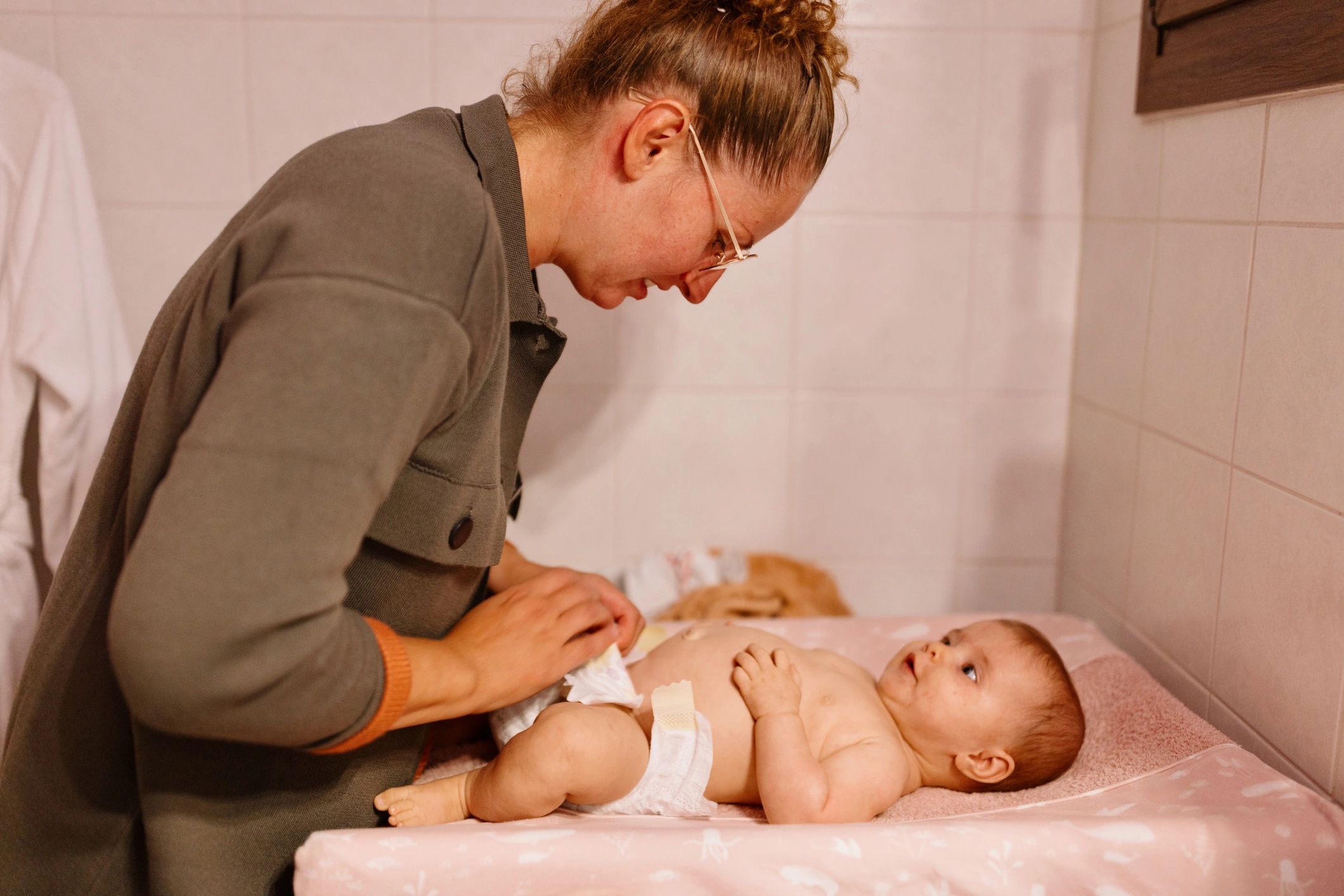
A Surprising Risk Lurking in Your Diaper Bag
Parents in Jhelum, Lahore, and across Punjab are rethinking their go-to diaper rash remedies after recent medical guidance raised red flags about steroid creams. What was once considered a fast-acting solution for irritated baby skin is now under scrutiny—and for good reason. Pediatric dermatologists are cautioning against the unsupervised use of topical corticosteroids for infant rashes, emphasizing that these potent treatments may do more harm than good when misused.
The concern isn’t just theoretical: overuse or incorrect application can lead to thinning skin, discoloration, and even systemic absorption in delicate infants. Many caregivers aren’t aware that diaper rash usually stems from moisture and friction—not inflammation that requires steroids. Instead, experts recommend focusing on barrier protection, frequent changes, and gentle cleansing.
In this post, you’ll learn:
- How to differentiate between common irritation and conditions that may need medical intervention
- Safe, evidence-backed alternatives to steroid-based treatments
- Key ingredients to look for (and avoid) in over-the-counter rash products
- Practical skincare routines for keeping sensitive baby skin healthy
Stay informed with the latest in pediatric skincare—because when it comes to your little one, gentle care should always come first.
Why Pediatric Experts Are Rethinking Steroid Use for Baby Skin Issues
Parents in Jhelum, Lahore, and across Punjab are increasingly questioning common treatments for infant skin irritations—especially the use of steroid creams for everyday issues like diaper rash. While these creams have long been a go-to for reducing redness and inflammation, many pediatric dermatologists now warn that their overuse or improper application can do more harm than good in delicate infant skin. Infants have a much thinner epidermal barrier compared to adults, making them more susceptible to systemic absorption of topical steroids, which can lead to complications like skin atrophy, discoloration, and even adrenal suppression with prolonged use.
Doctors emphasize that diaper rash—often caused by moisture, friction, and prolonged exposure to urine or stool—is typically a contact irritant dermatitis, not a condition requiring steroids. Instead, treatment should focus on barrier protection, frequent diaper changes, and gentle cleansing. Over-the-counter hydrocortisone creams may offer temporary relief, but they’re not a long-term solution and should never be used without medical guidance, especially on sensitive areas like the groin or folds of skin.
Key recommendations include:
- Prioritize zinc oxide or petroleum-based diaper ointments for every change
- Avoid occlusive wipes or creams with fragrances and alcohol
- Let baby’s skin air out daily to prevent moisture buildup
- Consult a pediatrician if the rash persists beyond a few days or shows signs of fungal or bacterial infection
Smart, steroid-free care supports healthier skin development and prevents avoidable side effects.
5 Pediatrician-Approved Alternatives to Steroid Creams for Diaper Rash Relief
When it comes to treating diaper rash, many parents instinctively reach for over-the-counter creams—especially those with hydrocortisone. However, pediatricians are increasingly advising against prolonged or routine use of steroid-based treatments for infants’ delicate skin. The good news? There are effective, gentle alternatives backed by medical experts and trusted in pediatric care across urban and rural communities alike, including families in Jhelum, Lahore, and throughout Punjab.
-
Zinc Oxide-Based Barrier Creams
Creams rich in zinc oxide form a protective, breathable shield between your baby’s skin and moisture from urine or stool. This mineral-based ingredient soothes irritation, promotes healing, and prevents bacterial or fungal overgrowth—without the risks associated with steroids. Apply at every diaper change for best results. -
Pure Petroleum Jelly (White) for Moisture Locking
A hypoallergenic, fragrance-free petroleum jelly is a gold standard for minimizing friction and sealing in natural moisture. Its inert nature makes it ideal for sensitive newborn skin and particularly effective during the early stages of redness. -
Frequent Diaper Changes with Air Time
Reducing exposure to wetness is one of the most powerful tools in combatting rash. Experts recommend changing diapers promptly and allowing daily “air-out” sessions—laying baby on a clean towel with no diaper—to accelerate skin recovery. -
Gentle Cleansing with Warm Water and Soft Cloths
Avoid wipes with alcohol or fragrance. Instead, rinse the area with lukewarm water and pat dry with a soft cotton cloth. This minimizes chemical irritation and supports a healthy skin microbiome. -
Colloidal Oatmeal Baths for Soothing Relief
Adding colloidal oatmeal to a lukewarm bath helps calm inflammation, relieve itching, and restore skin hydration. Dermatologists often recommend this natural remedy for babies with recurring rashes or eczema-prone skin.
What to Ask Your Pediatrician Before Using Any Diaper Rash Cream
When dealing with diaper rash, it’s natural to reach for the nearest topical solution—but not all treatments are created equal. Before applying any cream, especially steroid-based formulations, parents should have a clear conversation with their pediatrician to ensure safety and effectiveness. Infants’ skin is significantly more permeable and sensitive than adult skin, making them more vulnerable to systemic absorption of potent ingredients.
Start by asking whether the rash might be caused by an infection—fungal, bacterial, or viral—as treating these with steroid creams can worsen symptoms. Discuss the active ingredients in any proposed product, and request clarification on whether it contains corticosteroids, antifungals, or antibiotics. Understand the recommended duration of use, as prolonged steroid application, even in low potency, can lead to skin thinning or discoloration.
Parents should also review their baby’s medical history, including allergies or preexisting skin conditions like eczema, which may influence treatment choices. In cities like Jhelum and Lahore, where heat and humidity can exacerbate skin irritation, your pediatrician may suggest breathable diapers, frequent changes, or barrier ointments with zinc oxide as safer first-line defenses.
Finally, get clear instructions on when to stop use and seek follow-up care. Open dialogue ensures you’re not just treating symptoms, but supporting long-term skin health.
What Parents Are Asking: Diaper Rash Treatments and Steroid Safety
Is it safe to use steroid creams on my baby’s diaper rash?
Many pediatric dermatologists advise against the routine use of topical steroid creams for common diaper rash. While low-potency steroids may be prescribed in specific cases of severe inflammation, they are not recommended for everyday use due to risks like skin thinning, irritation, and potential systemic absorption—especially in infants with delicate skin.
Why are doctors warning against steroid-based diaper rash treatments?
Prolonged or inappropriate use of steroid creams can disrupt the skin’s natural barrier, making it more vulnerable to infections and delaying healing. In warm, moist diaper areas, compromised skin is more prone to fungal or bacterial overgrowth, worsening the condition instead of resolving it.
What are safer alternatives to steroid creams?
Focus on barrier protection and skin repair:
- Use zinc oxide or petroleum-based diaper creams at every change
- Keep the area clean, dry, and exposed to air when possible
- Choose fragrance-free wipes or rinse with warm water
Can over-the-counter diaper rash products still be effective without steroids?
Yes—many effective OTC options work by creating a protective seal, locking in moisture, and shielding against irritants like urine and stool, especially in climates like Jhelum and Lahore where humidity can prolong irritation.
When should I see a doctor for diaper rash?
Seek care if the rash spreads, develops pus, or doesn’t improve after 3–4 days of proper home care, as it may indicate an infection requiring targeted treatment.
Protecting Baby’s Skin: Smart, Safe Choices for Diaper Rash Care
When it comes to managing diaper rash, pediatricians and dermatologists are clear—steroid creams should not be a first-line treatment, especially for infants. These potent medications can lead to thinning skin, discoloration, and increased sensitivity if used improperly, making them unsuitable for routine use on delicate baby skin. Instead, the focus should be on prevention, gentle cleansing, and the consistent use of protective barrier creams containing ingredients like zinc oxide or petroleum jelly. Allowing for frequent diaper-free time also promotes airflow and faster healing.
To safeguard your baby’s skin:
- Change diapers promptly to minimize moisture exposure
- Use fragrance-free, alcohol-free wipes or plain water for cleaning
- Apply a thick layer of protective ointment with every change
- Watch for signs of fungal or bacterial infection—such as persistent redness, pustules, or spreading rash—that require medical evaluation
Parents in Jhelum, Lahore, and across Punjab can take comfort in knowing that most cases of diaper rash respond well to simple, steroid-free care. By adopting gentle, evidence-based practices, you’re not only resolving current irritation but also building long-term skin resilience. Stay informed, trust your instincts, and consult a healthcare provider if a rash persists beyond a few days. Healthy skin starts with mindful habits—start today for a more comfortable tomorrow.
Discover more from UnzipWorld: DIY, E-commerce, Fashion & Tech Insights
Subscribe to get the latest posts sent to your email.