
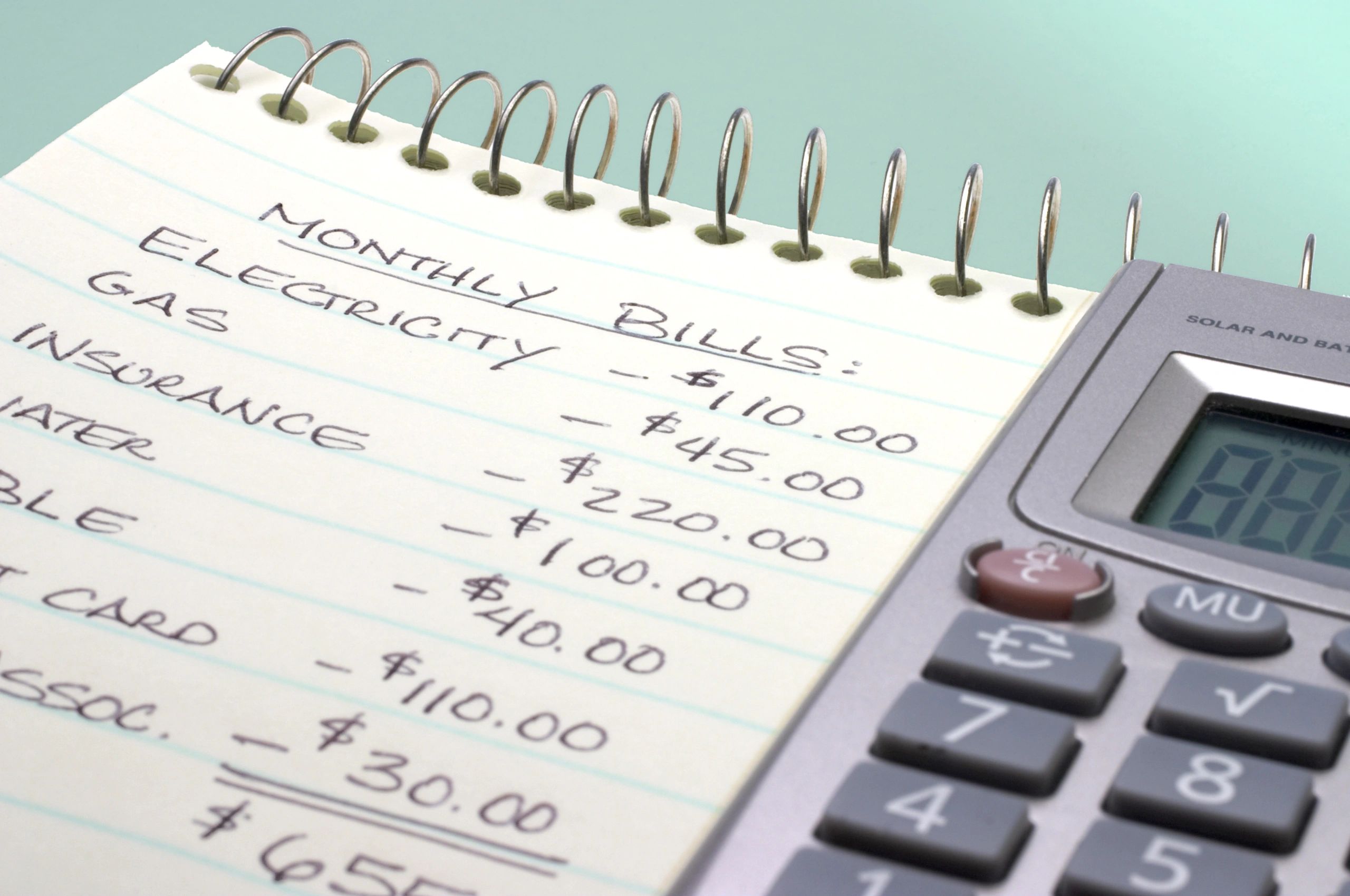
Take Control of Your Money: Why a Monthly Budget is Your Financial Foundation
Feeling the pinch each month when bills come due? You’re not alone—many people in Jhelum, Lahore, and across Punjab struggle with unpredictable expenses and tight cash flow. The solution starts with one powerful habit: creating a monthly budget. Far more than just tracking income and expenses, a well-structured budget puts you in the driver’s seat of your financial life. It reduces stress by replacing guesswork with clarity, helping you anticipate costs, avoid overdrafts, and build confidence in your decisions.
A monthly budget is the cornerstone of financial control, enabling you to align spending with your real priorities—whether that’s saving for a home, funding education, or growing a small business. It also acts as an early warning system, highlighting leaks in your cash flow before they become crises. Most importantly, it turns abstract financial goals into actionable, measurable steps. In the following sections, you’ll learn how to build a realistic budget tailored to your lifestyle, income patterns, and regional cost of living. From categorizing expenses to planning for seasonal fluctuations common in South Asian markets, this guide delivers practical strategies to help you stay consistent and in command.
Map Your Money: Track Income & Expenses to Build a Smarter Budget
Understanding where your money goes is the foundation of any successful monthly budget. Without clear visibility into your income streams and spending habits, even the best-laid financial plans can fall short. Start by gathering three months’ worth of financial statements, including bank records, utility bills, and digital payment logs—this timeframe reveals patterns that a single month might hide.
Categorize Every Transaction
Break down spending into clear groups like housing, groceries, transportation, utilities, debt payments, and discretionary spending. Use consistent labels so you can spot trends over time. For those in Jhelum, Lahore, or other cities across Punjab, include local-specific expenses such as rickshaw fares, utility load-shedding solutions, or seasonal festival spending.Separate Fixed vs. Variable Costs
Fixed costs (rent, subscriptions) stay the same monthly, while variables (groceries, fuel) fluctuate. Tracking both helps predict cash flow more accurately and identify areas for adjustment.Identify Leaks & High-Impact Categories
Look for recurring but non-essential charges—unused memberships, frequent small purchases, or impulse online orders. Even Rs.500 daily spent casually adds up to over Rs.15,000 a month.Use Digital Tools or Simple Spreadsheets
Whether you prefer mobile apps or manual entry, choose a system that fits your routine. The goal is consistency—not complexity.
This diagnostic phase turns abstract income and spending into actionable data, setting the stage for realistic budget categories and financial control.
Top 5 Budgeting Methods That Actually Work—And How to Apply Them
Sticking to a budget doesn’t have to feel restrictive. With the right method, managing your money becomes a strategic tool for financial freedom—whether you’re tracking rupees in Jhelum, planning household expenses in Lahore, or building savings across Punjab. Here are five proven budgeting strategies used by individuals to gain control, reduce stress, and reach financial goals faster.
The 50/30/20 Rule: Balance Essentials, Wants, and Future Goals
Divide your after-tax income into three buckets: 50% for needs (rent, utilities, groceries), 30% for wants (dining out, entertainment), and 20% for savings and debt repayment. This method simplifies decision-making and promotes balanced spending. Ideal for beginners, it’s flexible enough to adapt to urban living costs while keeping long-term goals in focus.Zero-Based Budgeting: Give Every Rupee a Job
At the start of each month, assign every unit of income a specific purpose—expenses, savings, or debt—until your income minus expenses equals zero. This proactive approach prevents leaks and encourages intentional spending. Use digital tools or spreadsheets to track categories closely, especially helpful for irregular incomes.Envelope System: Regain Control with Cash-Based Discipline
Allocate cash into labeled envelopes for categories like groceries, transport, and personal spending. Once the cash is gone, spending stops. This tactile method reduces overspending and builds awareness. For digital users, replicate it with separate mobile wallet accounts or banking apps with virtual “envelopes.”Pay-Yourself-First: Automate Savings Like a Fixed Expense
Prioritize savings by transferring a set amount to a dedicated account as soon as you’re paid. Whether it’s for an emergency fund or future investment, treating savings as non-negotiable ensures progress over time. Set up auto-debits to make it effortless.Reverse Budgeting: Focus on Goals, Not Just Limits
Start with your financial targets—like saving Rs. 10,000 monthly—then design your spending around what’s left. This goal-centric model shifts focus from deprivation to achievement. Best for motivated savers, it’s highly effective when paired with long-term objectives like homeownership or education funds.
Set Financial Goals That Actually Stick—And How to Budget for Them
Turning your monthly budget into a powerful financial tool starts with setting realistic, actionable goals that go beyond wishful thinking. Whether you’re building an emergency fund, tackling high-interest debt, or saving for a major purchase, your budget must reflect clear priorities rooted in your actual income and spending patterns. Start by categorizing your goals into short-term (0–12 months), mid-term (1–3 years), and long-term (3+ years). An emergency fund of 3–6 months’ worth of living expenses, for example, is a short-term priority that protects against unexpected setbacks—especially important for households in Jhelum, Lahore, or other parts of Punjab where economic fluctuations can impact cash flow.
Break each goal into monthly savings targets. If you aim to save Rs. 150,000 over two years for a home down payment, you’ll need to set aside Rs. 6,250 per month. Automate transfers to a dedicated savings account to ensure consistency. For debt payoff, use either the snowball method (paying smallest balances first for momentum) or the avalanche method (targeting highest interest rates to save money long-term). Both work—choose based on your motivation style.
Include these targets as non-negotiable line items in your monthly budget, just like rent or utilities. Track progress weekly, adjust for income changes, and celebrate milestones to stay motivated. A goal without a plan is just a dream—but with a structured budget, it becomes inevitable.
Stay on Track: Smart Strategies for Budget Consistency and Flexibility
Sticking to a monthly budget doesn’t mean rigidly cutting every expense—it means building a flexible system that adapts to real life. Many people in Jhelum, Lahore, and across Punjab start strong but lose momentum when unexpected costs arise, like medical bills or urgent home repairs. The key to long-term success is creating a budget that’s both disciplined and adaptive. Start by allocating a dedicated emergency buffer in your monthly plan—ideally 5–10% of your income—to absorb surprises without derailing your goals.
Digital tools can dramatically improve follow-through. Use budgeting apps to sync with your bank accounts, track spending in real time, and receive alerts when you’re nearing limits. Categorize expenses like groceries, utilities, and transportation to identify patterns and adjust quickly. For households managing multiple income streams—common in today’s gig economy—automated categorization helps maintain clarity.
When life changes, so should your budget. Reassess monthly:
- Adjust for seasonal costs (e.g., higher electricity in summer)
- Reprioritize goals if income fluctuates
- Celebrate small wins, like paying off a credit line or hitting a savings target
By treating your budget as a living plan—not a fixed rule—you build resilience and long-term financial control.
Budgeting FAQs: Expert Answers to Your Top Questions
How do I budget with irregular income?
When your pay varies month to month, shift from a fixed-income mindset to a variable-income strategy. Start by calculating your baseline monthly expenses—the essentials you must cover. Track your income over the past 6–12 months and use the lowest single month’s earnings as your “floor” for planning. Save surplus income from high-earning months into a designated income smoothing fund. This creates a buffer to cover leaner months and allows you to budget consistently, even when pay fluctuates.
What should I do if I overspend in a category?
Overspending happens, but quick course correction keeps your budget on track. First, don’t ignore it—adjust your current or next month’s budget by reallocating funds from a category with extra room. Use the 50/30/20 rule as a benchmark: 50% for needs, 30% for wants, 20% for savings and debt. If overspending becomes recurring, analyze the “why”—is it lifestyle creep, lack of tracking, or poor planning? Consider using cash envelopes or digital budgeting apps to enforce limits.
How often should I review my budget?
Conduct a full budget review monthly, ideally on or near your pay date. This ensures you’re tracking progress, adjusting for life changes, and staying aligned with financial goals. Weekly check-ins for spending activity add accountability. Reviewing quarterly helps assess long-term trends, especially if managing variable income or building savings goals.
Is it okay to change my budget categories?
Yes—your budget should evolve with your life. Moving funds between categories or creating new ones (like “car repair” or “medical reserve”) improves realism and control. Just ensure the overall plan still supports your core financial priorities.
How can I stay motivated to stick to my budget?
Link your budget to specific, meaningful goals—like debt freedom or a home down payment. Break large goals into milestones and celebrate small wins. Sharing progress with an accountability partner in cities like Jhelum, Lahore, or within local finance communities adds encouragement and increases follow-through.
Take Control of Your Financial Future—One Month at a Time
Creating a monthly budget isn’t about restriction—it’s about empowerment. By now, you’ve seen how simple adjustments, consistent tracking, and intentional planning can reshape your relationship with money. The journey to financial control starts with small, manageable steps: tracking your income and expenses, categorizing spending, and setting realistic limits that reflect your lifestyle and goals, whether you’re based in Jhelum, Lahore, or anywhere in Punjab.
You don’t need a perfect budget on day one. Start with what you know—your rent, utility bills, groceries, and transport costs. Use a digital spreadsheet or budgeting app to log transactions weekly. Over time, patterns will emerge, helping you identify leaks and reallocate funds toward high-impact goals like debt reduction or emergency savings.
- Begin with one category, like dining out or subscriptions
- Review your spending every Sunday to stay on track
- Adjust as life changes—a raise, new expense, or seasonal shift
Consistency matters more than complexity. A budget that adapts to your real life is one you’ll stick with. Each month becomes a learning opportunity, building confidence and clarity.
Take action today: open a blank document, list your monthly income, and write down three recurring expenses. This small act sets you on a path to long-term stability. Your financial future isn’t determined by income alone—it’s shaped by the choices you make each month. Start small, stay consistent, and watch your progress grow.
Discover more from UnzipWorld: DIY, E-commerce, Fashion & Tech Insights
Subscribe to get the latest posts sent to your email.