
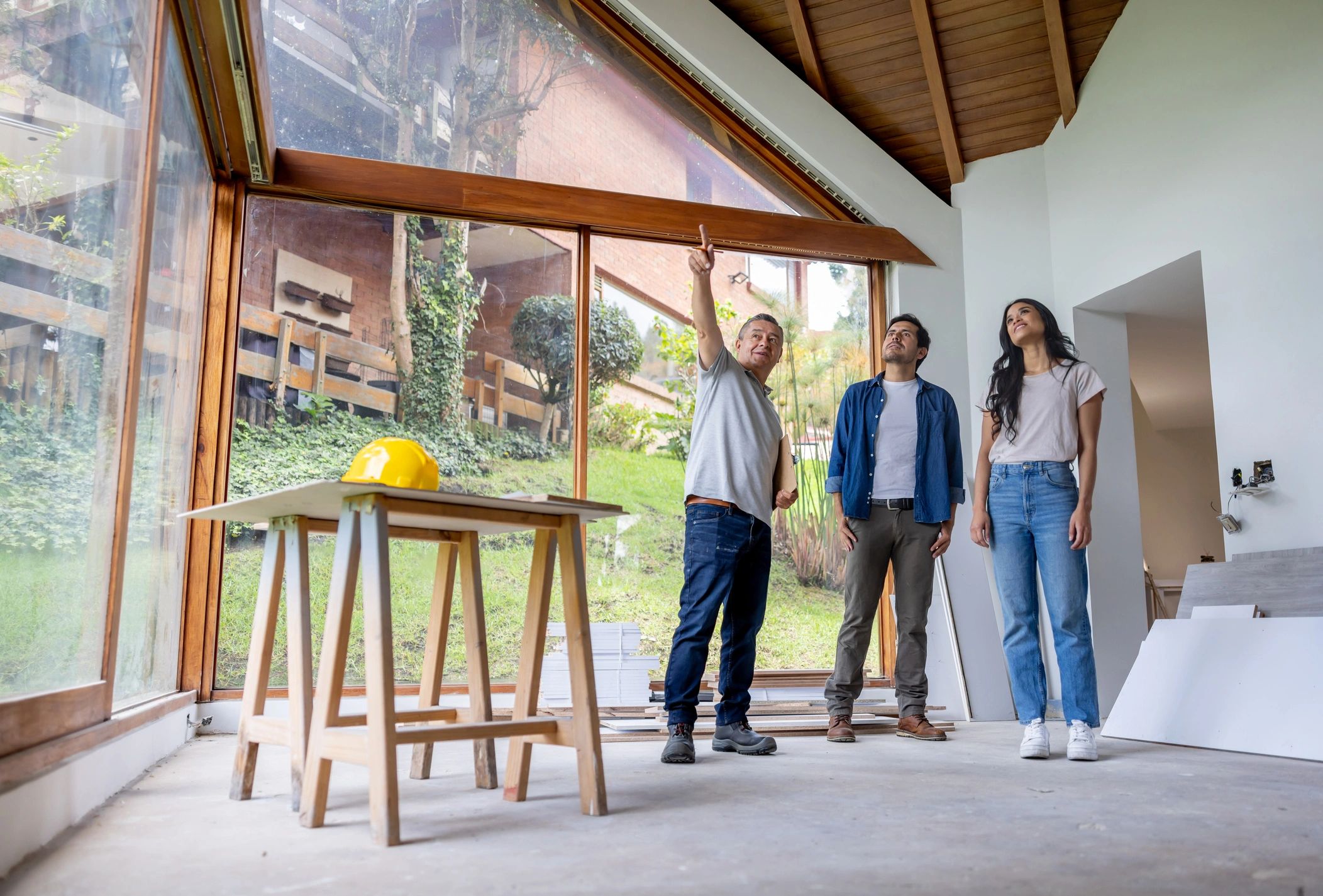
The Homeowner’s Crossroads: To DIY or Call a Pro?
Every homeowner in Jhelum, Lahore, or across Punjab has faced it—the leaky faucet, the flickering outlet, the creaky staircase. In that moment, a decision looms: tackle it yourself or call in a qualified professional? This choice isn’t just about convenience—it impacts safety, long-term costs, and the structural integrity of your home. With home improvement videos and tutorials flooding digital platforms, DIY repairs feel more accessible than ever. Yet, not every fix is suited for amateur hands.
Choosing incorrectly can lead to costlier repairs down the line, voided warranties, or even hazardous situations—especially with electrical systems, gas lines, or structural work. On the other hand, hiring out every minor task isn’t practical or budget-friendly. The key lies in understanding what repairs match your skill level, when to trust a licensed contractor, and how to assess risk versus reward.
In this guide, you’ll learn how to evaluate common household issues with clarity and confidence. We’ll break down factors like project complexity, safety requirements, time investment, and local building codes that apply across Pakistan’s urban and rural regions. You’ll also gain practical frameworks to help you decide—saving money without compromising quality or safety. Whether you’re maintaining a family home in Jhelum or upgrading a rental in Lahore, making informed repair decisions is a cornerstone of smart homeownership.
7 Key Factors to Weigh Before Starting a DIY Home Project
Taking on a DIY home improvement task can be rewarding, but knowing what you’re truly up against is essential for success—especially for homeowners in Jhelum, Lahore, and across Punjab where older plumbing systems, seasonal humidity, and varying electrical standards can complicate even simple jobs. Before picking up a tool, evaluate these critical factors to determine whether a project is within your reach.
-
Honest Assessment of Your Skill Level
Don’t overestimate your abilities. If you’ve never installed drywall or wired a light switch, start with low-risk cosmetic updates like painting or replacing cabinet knobs. Progress to more technical tasks only after building foundational skills through practice and research. -
Required Tools and Equipment
Some projects demand specialized tools—like a pipe threading tool for plumbing or a stud finder with AC detection for walls. Factor in rental fees or purchase costs, which can quickly make DIY less economical than hiring a pro. -
Time Commitment vs. Your Schedule
Estimate how many weekends or evenings the job will realistically take, including learning curves and potential setbacks. Delaying a repair due to availability can worsen underlying issues, especially in monsoon-prone areas. -
Safety Risks and Hazard Exposure
Working with electricity, gas lines, or roofing in extreme heat increases personal risk. Without proper safety gear and training, one mistake can lead to injury or long-term liability. -
Local Building Code Compliance
In cities like Lahore and Jhelum, certain renovations require permits and inspections. DIYers often overlook code nuances, risking fines or future complications during property resale. -
Access to Quality Materials and Suppliers
Locating trusted hardware stores or authentic fixtures in your region affects durability. Substandard materials may fail prematurely, especially under regional stressors like intense summer heat or winter damp. -
Long-Term Maintenance and Warranty Needs
DIY fixes aren’t always built to last. Consider whether repairs will hold up over time or require frequent rework—especially for plumbing joints, sealed windows, or tiled surfaces exposed to daily wear.
A Step-by-Step Guide to Evaluating Your DIY Project Potential
Not every home project is created equal—and knowing which ones to tackle yourself starts with a clear decision-making process. Follow this five-step framework to confidently assess any potential DIY task while minimizing risk and maximizing results.
1. Classify the Project Type
Start by identifying whether the work is cosmetic, mechanical, or structural. Painting, decluttering, or installing shelving are typically safe DIY candidates. Mechanical jobs involving plumbing, electrical, or HVAC systems require greater caution. Structural modifications—like removing walls or altering foundations—should always involve a licensed professional, especially in older homes common in Jhelum or Lahore.
2. Match the Task to Your Skill Level
Be honest: have you completed similar work before? If not, research the learning curve. Replacing a bathroom faucet may be manageable with basic tools and online guidance, but installing a new water heater demands knowledge of local codes, gas regulations, and pressure testing.
3. Estimate Total Time & Hidden Costs
Factor in not just materials, but also tool purchases, rental fees, and potential rework. A weekend tile project might stretch into weeks without proper experience—time that could disrupt daily life or delay other priorities.
4. Check Permit and Safety Requirements
Many municipalities in Punjab require permits for plumbing, electrical, or roofing work. Skipping this step can lead to fines or issues when selling your home. Professionals handle inspections and approvals; DIYers often overlook them.
5. Make the Final Call: DIY or Hire?
If safety risks, code compliance, or specialized tools are involved, hire a pro. Reserve DIY for low-risk, skill-aligned projects where you can ensure both quality and confidence in the outcome.
Real-Life Scenarios: Knowing Which Projects to DIY and When to Call a Pro
Understanding the line between DIY-friendly tasks and jobs that demand professional expertise can save time, money, and prevent dangerous mistakes—especially for homeowners in Jhelum, Lahore, and across Punjab dealing with regional weather conditions and aging infrastructure. Consider this: a wobbly handrail on a staircase may seem like a quick fix. If it’s loose due to worn screws, tightening or replacing them with longer lag bolts is a safe DIY project. But if the entire support structure is compromised, especially on an exterior stairway exposed to monsoon rains, that’s a structural issue requiring an expert to assess and rebuild safely.
Plumbing offers another clear distinction. Replacing a worn faucet or fixing a leaking toilet flapper valve? These are ideal for DIYers with basic tools and some online guidance. However, rerouting pipes, installing a new water heater, or addressing recurring sewer line clogs should never be attempted without a licensed plumber. One misaligned joint can lead to hidden leaks, mold growth, or flooding—problems that often go undetected until major damage occurs.
Electrical projects follow a strict rule: low-voltage lighting or replacing a switch plate? Doable. Upgrading a breaker panel, installing outlets in wet areas like kitchens or bathrooms, or running new circuits? Always hire a certified electrician. Faulty wiring is a leading cause of house fires, and local codes in cities like Lahore require permitted work to be inspected. Safety, compliance, and long-term reliability should always outweigh the urge to save a few rupees.
Your DIY Project Questions Answered: Budget, Skills, and Safety
How do I know if I’m ready to start a DIY project?
Start by evaluating the project’s scope and your experience level. If you’ve successfully completed smaller tasks—like painting, replacing faucets, or assembling furniture—you may be ready to take on intermediate projects. Look for clear, step-by-step tutorials and ensure you have the basic tools and safety gear. Confidence grows with practice, so begin with low-risk repairs in areas like kitchens or bathrooms in your Jhelum or Lahore home.
How can I budget effectively for a DIY project?
Create a detailed list of required materials, tools, and potential permits. Always add a 10–20% buffer for unexpected expenses, such as replacing hidden damaged components or buying compatible fittings. Compare prices at local hardware stores and online marketplaces popular in Punjab to get the best value without sacrificing quality.
What are signs I should stop a DIY project and call a pro?
If you encounter structural damage, faulty wiring, gas line issues, or plumbing complications beyond your understanding, pause immediately. Other red flags include failing to meet local building codes, project delays due to confusion, or needing specialized tools like pipe threaders or circuit testers.
Can DIY mistakes affect my home’s value?
Yes—poorly executed repairs, especially in critical systems like electrical, plumbing, or roofing, can deter buyers and complicate resale. Hidden issues like improper sealing or shoddy tiling may lead to mold or water damage, which are costly to fix and erode trust during property inspections.
How do I balance cost savings with safety?
Prioritize safety over savings when dealing with load-bearing walls, electrical panels, or gas appliances. Even in budget-conscious regions like rural Punjab, hiring a pro for high-risk tasks protects your family and investment. Use DIY mainly for cosmetic upgrades—like tiling backsplashes or refinishing cabinets—where errors are less dangerous.
Should I DIY if I’m renting or managing a property?
For landlords and renters, consider liability and lease terms. While minor cosmetic fixes are usually safe, structural or system modifications often require landlord approval and professional validation to avoid disputes or violations of local Jhelum or Lahore housing standards.
Make the Right Choice for Your Home and Safety
Deciding which home projects to take on yourself comes down to balancing skill, safety, and smart decision-making. As a homeowner in Jhelum, Lahore, or anywhere across Punjab, you face unique challenges—from older plumbing systems to region-specific weather impacts—that demand thoughtful choices. Start by evaluating each project’s complexity: minor cosmetic fixes like painting walls or replacing door handles are ideal for DIY, while electrical circuits, gas lines, roof repairs, and foundation work should always involve licensed professionals.
Ask yourself key questions: Do I have the right tools and experience? Could a mistake lead to safety hazards or costly rework? Is a permit required under local building codes? When in doubt, err on the side of caution—especially with hidden systems like wiring or piping that can pose serious risks if improperly handled.
For peace of mind, consider a hybrid approach: complete prep work yourself (like clearing spaces or removing old fixtures), then hire a pro for code-sensitive installations. This saves on labor while ensuring precision. Remember, your home is more than a living space—it’s a long-term investment. Protect its value by making informed, safe choices that prioritize durability and compliance. When uncertainty arises, consult a qualified local contractor to assess the job—you’ll gain clarity, safety, and confidence in your next move.
Discover more from UnzipWorld: DIY, E-commerce, Fashion & Tech Insights
Subscribe to get the latest posts sent to your email.