
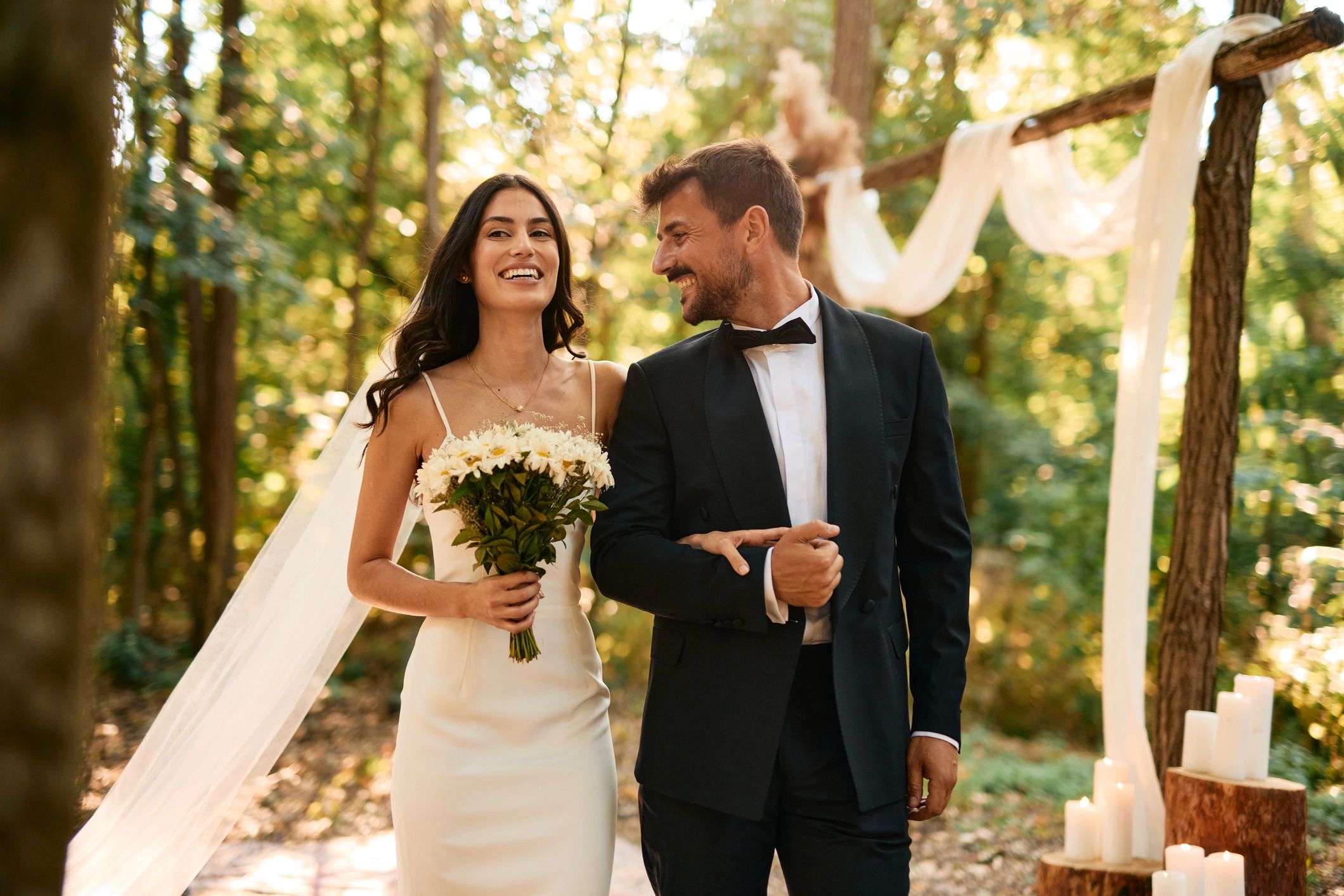
Dressing for the Occasion: Why Wedding Attire Matters
Choosing the right outfit for a wedding goes far beyond looking good—it’s about showing respect, understanding social cues, and honoring cultural and regional expectations. With over 200,000 weddings celebrated annually across Pakistan alone, navigating dress codes has become a essential skill for anyone attending events in cities like Lahore, Jhelum, or Rawalpindi. Yet, many guests unknowingly make fashion missteps simply because they misinterpret the invitation’s dress code or underestimate local norms.
This guide cuts through the confusion by breaking down common wedding dress codes—such as formal, semi-formal, black-tie, and cultural attire like shalwar kameez or dhoti sets—and what each truly means in practice. You’ll learn how to interpret subtle cues from the invitation, time of day, venue type, and even regional traditions to ensure your outfit strikes the right balance between style and appropriateness.
From avoiding the all-too-common mistake of overshadowing the couple to selecting fabrics that suit Pakistan’s climate, this section sets the foundation for making confident, culturally aware fashion choices. Whether you’re attending a grand mehndi in Punjab or a minimalist white wedding in Islamabad, you’ll walk away knowing exactly how to dress with elegance, intent, and respect.
Cracking the Dress Code: What Your Wedding Invitation Really Means
Understanding wedding dress codes can feel like decoding a secret language—especially when invitations include terms like “black tie,” “semi-formal,” or “casual chic.” Yet, getting it right ensures you honor the couple’s vision while staying polished and comfortable. Start by reading the invitation closely: location, time of day, and wording often hint at the expected attire. A 6 PM start at a ballroom in Lahore likely signals a formal affair, while a 2 PM ceremony in a Jhelum garden suggests something lighter.
- Black Tie: Requires floor-length gowns or tuxedos. Men should wear dark suits or tuxes with ties or bowties; women should opt for elegant silhouettes in rich fabrics like silk or chiffon.
- Formal: Slightly less rigid than black tie. Dark suits for men, and cocktail or long dresses for women work well—think tailored kurtas with embellished dupattas or structured sarees.
- Semi-Formal: Also called “dressy casual.” Men can wear blazers with dress shirts; women can choose midi dresses or sophisticated separates.
- Cocktail Attire: Calls for knee-length or tea-length dresses. Men should wear dress shirts with slacks and optional blazers.
- Casual: Not an excuse for jeans and sneakers unless specified. Opt for neat cotton kurtas, palazzos, or smart summer dresses—avoid anything too worn or sporty.
Always consider local climate and cultural norms. In Punjab’s summer heat, breathable fabrics like cotton or linen keep you stylish and cool. When in doubt, slightly overdress—elegance is never out of place.
Choose the Perfect Wedding Outfit: A Step-by-Step Guide Based on Time, Venue, and Culture
Selecting the right wedding attire goes beyond just looking stylish—it’s about respecting traditions, aligning with the event’s energy, and feeling confident in your look. Follow this step-by-step guide to ensure your outfit is appropriate, polished, and perfectly suited to the occasion.
1. Determine the Wedding Time
Morning and daytime weddings call for lighter fabrics and softer colors—think pastel suits, cotton kurtas, or midi dresses in breathable materials. For evening ceremonies, especially in cities like Lahore and Jhelum, elevate your look with richer textures like silk, jacquard, or embellished fabrics. Avoid overly casual items like sandals or T-shirts after sunset.
2. Assess the Venue and Dress Code
Beach or garden weddings demand flowy silhouettes and weather-appropriate footwear—avoid stilettos on grass. Indoor ballroom events lean toward formal wear: structured sherwanis, tailored suits, or floor-length gowns. If the invitation mentions “semi-formal” or “festive attire,” aim for polished ensembles with cultural flair—paired with juttis or statement clutches.
3. Honor Cultural and Religious Traditions
In multicultural settings across Punjab, modesty is often key. For Muslim or Sikh weddings, cover shoulders and knees; women may wear dupattas, while men opt for full kurtas or sherwanis. Avoid white unless specified—it may clash with the bride’s attire. Research regional customs to show respect without compromising style.
4. Adapt with Accessories
Use accessories to transition looks: add a stole for evening warmth or swap footwear for venue compatibility. A simple tweak can align your outfit with time, place, and cultural expectations—keeping you stylish and appropriate all day long.
Top 5 Wedding Outfit Ideas for Every Ceremony Type
Navigating wedding dress codes can feel overwhelming, especially when styles vary by region, season, and cultural context. Whether you’re attending a grand baraat in Lahore or an intimate garden ceremony in Jhelum, these five versatile outfit ideas ensure you’re dressed impeccably—without overthinking.
Elegant Kurta Ensemble for Traditional Weddings
Pair a finely embroidered men’s kurta with matching chinos or shalwar and a contrasting sherwani jacket for a regal touch. Women can opt for a silk or chiffon anarkali with subtle zari work, paired with juttis and a lightweight dupatta. This look honors cultural richness while remaining comfortable during multi-day celebrations.Tailored Indo-Western Fusion for Semi-Formal Events
Men can wear a Nehru jacket over a plain shirt and tapered trousers, blending modern silhouette with traditional flair. Women can choose a structured jacket over a drape-style dress or palazzo suit—ideal for daytime receptions where elegance meets ease.Cocktail Attire with Local Flair
For evening city weddings, women can embrace midi dresses in jewel tones with gota or mirror work details. Men should consider a dark blazer with a crisp shirt and chinos—avoid black if it’s a daytime Punjabi wedding to respect customs.Lightweight Linen Looks for Outdoor Ceremonies
Choose breathable fabrics like cotton-linen blends in neutral tones for daytime garden or beach weddings. Women can layer with a sheer dupatta; men can swap ties for pocket squares in coordinating colors.Formal Tuxedo or Gown for Black-Tie Affairs
Stick to classic black-tie standards—floor-length gowns for women and tuxedos for men—while personalizing with cultural accessories like kundan jewelry or an embroidered turban. This ensures respect for the couple’s vision while standing out with sophistication.
Wedding Attire FAQs: What to Wear, What to Avoid, and How to Accessorize
What should I absolutely not wear to a wedding?
Avoid wearing white or ivory unless explicitly permitted, as these colors are traditionally reserved for the couple. Steer clear of overly casual items like flip-flops, gym wear, or ripped jeans. In cities like Lahore and Jhelum, cultural norms also advise against revealing outfits—opt for modest silhouettes that respect the occasion.
Is it acceptable to wear black to a wedding?
Yes, in most modern settings across Pakistan, black is perfectly acceptable—especially when styled appropriately. A black tailored suit or elegant anarkali with rich embroidery strikes the right balance of sophistication and tradition. Just ensure the fabric and finish feel celebratory, not somber.
How do I accessorize without overdoing it?
Let one statement piece shine—choose either bold jewelry, a standout dupatta, or standout footwear, not all three. For daytime weddings, opt for gold or kundan pieces; for evening events, consider polki or diamond-studded accents. Keep your bag small and clutch-style to maintain elegance.
Do men need to wear a full suit for a formal wedding?
Not necessarily. While a suit works well, a premium shalwar kameez or sherwani in luxe fabrics like jacquard or silk is equally appropriate, especially in cultural settings. Pair with polished juttis or formal shoes and a matching waistcoat for added refinement.
Can I wear jeans to a wedding?
Only if the dress code is explicitly casual. Even then, choose dark, tailored jeans paired with a structured kurta or blazer. Avoid distressed styles, and always elevate the look with dress shoes and a quality watch or pocket square.
How can I adapt my outfit for different wedding events?
Use layering and accessories to transition from daytime mehndi to evening walima. Add a heavily embellished shawl, switch to metallic footwear, or pin on a brooch to instantly elevate your look while reusing core pieces.
What footwear should I prioritize?
Comfort meets style—choose closed-toe dress shoes or juttis with low heels if you’ll be standing or dancing. Always test-walk in them beforehand, especially if attending outdoor weddings in areas like Jhelum where terrain may vary.
Own Your Look: Confidence is the Best Accessory
Dressing for a wedding goes beyond following rules—it’s about expressing yourself with confidence while respecting the occasion. By now, you’ve learned how to interpret dress codes, choose flattering silhouettes, coordinate colors thoughtfully, and avoid common fashion missteps. You understand the importance of fit, fabric, and finishing touches like footwear and accessories. But the final secret to standout style? It’s how you carry yourself.
Start by aligning your outfit with your comfort—confidence fades when you’re adjusting ill-fitting garments or worrying about wardrobe malfunctions. If you’re in Lahore or Jhelum, consider the climate: breathable fabrics like cotton silk, chiffon, or fine wool blends keep you cool and composed under event lights. Ensure your shoes are walkable—especially if the ceremony and reception are at separate venues—and pack a small clutch with essentials: mints, a wrinkle-release spray, and a portable phone charger.
Before heading out, do a final checklist:
- Is your outfit wrinkle-free and well-pressed?
- Are seams secure and hems even?
- Do your accessories complement, not compete with, your look?
Remember, stylish outfits aren’t just about what you wear—they’re about intentionality. When you take the time to plan, fit, and refine your look, you project self-assurance that no trend can replicate. Now, take that extra moment to stand tall, smile, and embrace the celebration. Whether you’re dancing the night away or toasting the couple, you’ll feel as great as you look.
Discover more from UnzipWorld: DIY, E-commerce, Fashion & Tech Insights
Subscribe to get the latest posts sent to your email.