
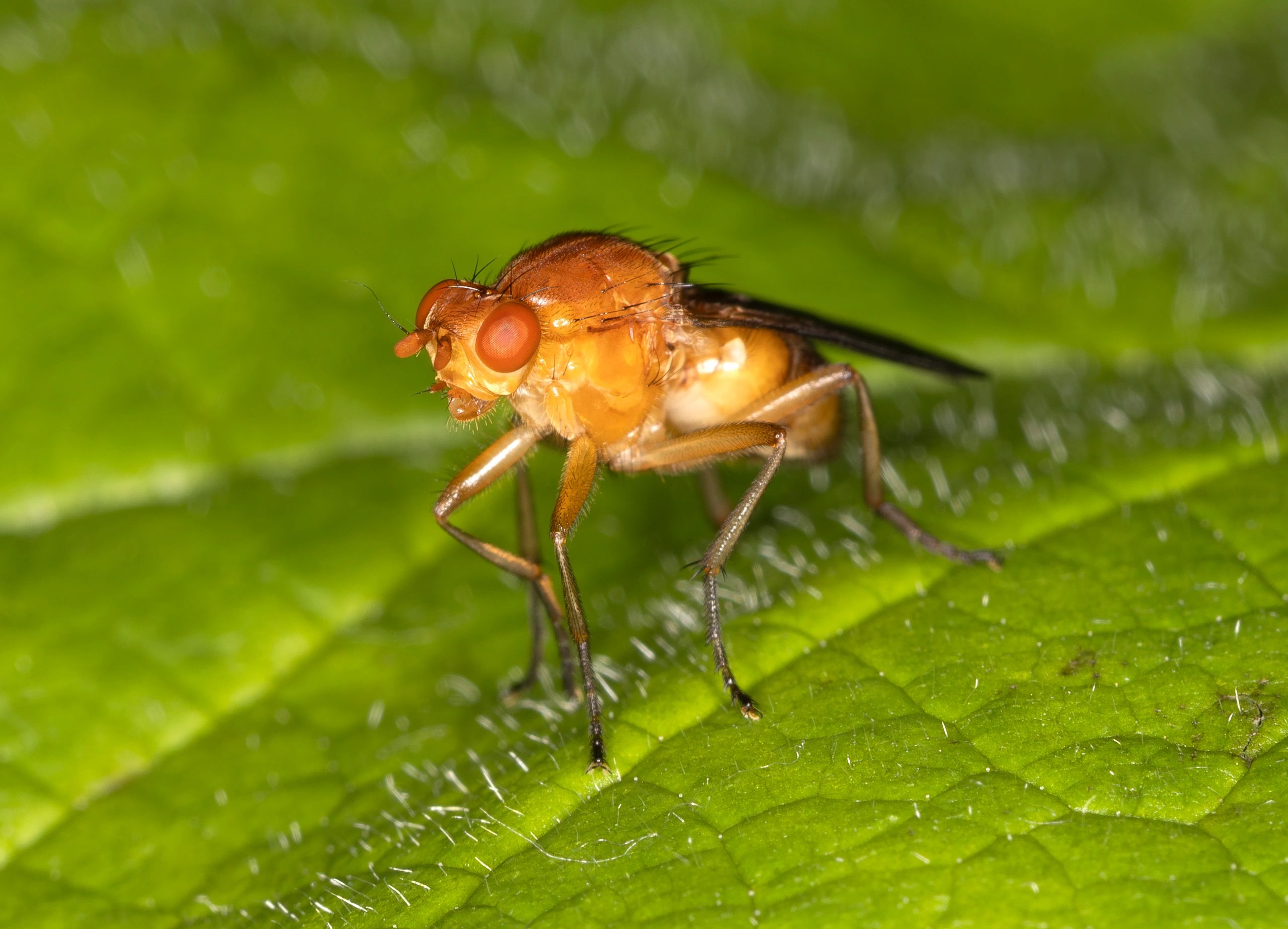
The Tiny Invaders Lurking in Your Kitchen
It only takes a single overripe banana or a forgotten carrot top for fruit flies to turn your kitchen into their breeding ground. These persistent pests, scientifically known as Drosophila melanogaster, are experts at detecting fermenting organic matter from up to 30 feet away. Once they’ve found a food source, they reproduce rapidly—females can lay up to 500 eggs in damp, decaying produce, leading to a full-blown infestation in under a week. Homes in humid regions like Punjab, Lahore, and Jhelum are especially prone during warmer months when produce spoils faster.
Fruit flies aren’t just a nuisance; they can carry bacteria from trash, drains, and spoiled food, potentially contaminating your countertops and clean dishes. They’re attracted not just to fruit bowls but also to mops, trash bins, recycling containers, and even your dishcloths—anywhere moisture and residue accumulate. The key to effective control starts with understanding their behavior: they thrive in hidden, damp environments and are most active during daylight hours.
In this guide, you’ll learn how to identify their breeding sites, eliminate attractants, and deploy proven, non-toxic methods to stop them fast. From simple homemade traps to sanitation best practices, we’ll cover actionable steps tailored for real homes dealing with real infestations—especially in climates where produce doesn’t last long.
Create a DIY Fruit Fly Trap with Common Household Items
Eliminating fruit flies starts with a simple, effective trap using items you likely already have in your kitchen. This method targets adult flies and significantly reduces their population within days. The key is using apple cider vinegar as bait—its sweet, fermented scent is irresistible to fruit flies—combined with a few drops of dish soap to break the liquid’s surface tension.
Follow these steps to build your trap:
- Pour ½ cup of apple cider vinegar into a small bowl or jar. For stronger attraction, lightly warm the vinegar to intensify its aroma.
- Add 3–5 drops of liquid dish soap and stir gently. The soap strips the vinegar’s surface tension, causing flies to sink and drown upon contact.
- Place the trap near problem areas—near fruit bowls, trash cans, or kitchen drains in homes across Jhelum, Lahore, and throughout Punjab where humidity can accelerate infestations.
- Cover with plastic wrap (optional). Poke small holes in the top to let flies enter but make escape difficult.
- Replace every 2–3 days or when full. Dispose of trapped flies and refresh the solution to maintain effectiveness.
For best results, pair this trap with sanitation: store ripe fruit in the fridge, clean drains, and wipe down counters. Consistency is crucial—within a week, you should notice a dramatic drop in fruit fly activity.
5 Proactive Strategies to Stop Fruit Flies Before They Invade
Fruit flies thrive in environments where food residue and moisture accumulate, making even the cleanest kitchens vulnerable if proper protocols aren’t followed. Preventing repeat infestations requires consistent, intentional habits that disrupt their breeding cycle and eliminate attractants. These five strategies are designed to reinforce long-term kitchen hygiene, especially in warm climates like Punjab, Lahore, and Jhelum, where rising temperatures accelerate pest activity.
-
Seal All Produce in Air-Tight Containers or Refrigerate
Store fruits and vegetables in sealed glass or plastic bins the moment you bring them home. Items like bananas, tomatoes, and citrus emit strong sugars that draw fruit flies from meters away. Refrigeration significantly slows ripening and fermentation, reducing the window of vulnerability. -
Empty Compost Bins Daily and Rinse Containers
Compost pails, especially indoors, become breeding hotspots within 24 hours. Empty them each night and wash with warm, soapy water. For outdoor bins, keep lids tightly closed and rinse weekly to remove sticky residues that attract flies. -
Clean Drains and Garbage Disposals Weekly
Organic sludge in sink drains provides an ideal environment for fruit fly eggs. Pour a mixture of baking soda and vinegar monthly, followed by boiling water, to break down biofilm. Regular flushing with hot water also helps prevent buildup. -
Wipe Countertops, Floors, and Spills Immediately
Even trace amounts of juice, syrup, or wine can lure flies. Use an all-purpose cleaner on countertops daily and sweep floors to remove fallen debris. Pay special attention to areas under appliances and along baseboards. -
Inspect and Discard Overripe or Damaged Produce Promptly
A single rotting apple or bruised peach can trigger an infestation. Regularly rotate stored produce and remove any item showing signs of decay. Store root vegetables in cool, dry areas away from fruit clusters.
Consistent execution of these steps drastically reduces the chances of future fruit fly outbreaks.
Frequently Asked Questions About Fruit Fly Control
What attracts fruit flies to homes in cities like Jhelum and Lahore?
Fruit flies are drawn to fermenting organic matter—especially overripe fruits, open containers of juice, damp mops, and garbage bins. In warm, humid climates common across Punjab, these conditions develop quickly, creating ideal breeding grounds in kitchens and dining areas.
How long is a fruit fly’s lifecycle?
Under typical indoor conditions, fruit flies can complete their lifecycle—from egg to adult—in as little as 7 to 10 days. A single female can lay up to 500 eggs near moist organic material, leading to rapid infestations if not addressed promptly.
Can cleaning alone eliminate a fruit fly problem?
Thorough sanitation is essential but may not be enough once eggs or larvae are hidden in drains, garbage disposals, or cracks. Effective elimination combines deep cleaning with targeted trapping and drain maintenance to disrupt the full lifecycle.
What’s the most effective DIY fruit fly trap?
A simple vinegar trap works well: mix apple cider vinegar with a drop of dish soap in a bowl, cover with plastic wrap, and poke small holes. The vinegar attracts flies, while the soap breaks surface tension, causing them to drown. Place near problem areas for best results.
Are store-bought sprays safe for use in kitchens?
Many commercial sprays contain harsh chemicals unsuitable for food prep areas. Opt for non-toxic, plant-based solutions or use traps instead. Always follow label instructions and avoid spraying near uncovered food or cookware.
How can I prevent fruit flies from returning after treatment?
Adopt preventive habits: store ripe produce in the refrigerator, clean drains regularly with hot water and baking soda, seal trash bins tightly, and inspect incoming groceries. Consistent hygiene significantly reduces reinfestation risks.
Take Control of Your Kitchen: Lasting Results Start Here
Eliminating fruit flies isn’t just about quick fixes—it’s about consistent hygiene and proactive prevention. The most effective strategy combines immediate elimination with long-term kitchen maintenance to stop infestations before they start. Begin by removing breeding grounds: store ripe fruit in the fridge or sealed containers, clean spills immediately, and sanitize drains and garbage disposals weekly. Don’t overlook hidden spots—under appliances, in trash cans, or damp sponges—where organic residue can attract these pests.
Use simple traps like apple cider vinegar with dish soap or repurposed wine bottles to capture adults, but remember, traps alone won’t solve the problem if sources remain. Regularly clean mops, dishrags, and recycling bins, as fermentation in these items is a common culprit. In areas like Jhelum, Lahore, and across Punjab, where warm climates accelerate infestations, daily kitchen upkeep is even more critical.
To maintain a fly-free space:
- Inspect produce immediately upon bringing it home
- Seal compost bins tightly and dispose of them frequently
- Rinse containers before tossing them in the trash
- Use tightly sealed storage for fruits, vegetables, and dry goods
By combining these habits with routine deep cleans, you create an environment that’s uninviting to fruit flies. Stay vigilant, act fast at the first sign of pests, and trust that a clean kitchen leads to lasting results. You’ve got the tools—now keep your space fresh, healthy, and in control.
Discover more from UnzipWorld: DIY, E-commerce, Fashion & Tech Insights
Subscribe to get the latest posts sent to your email.