
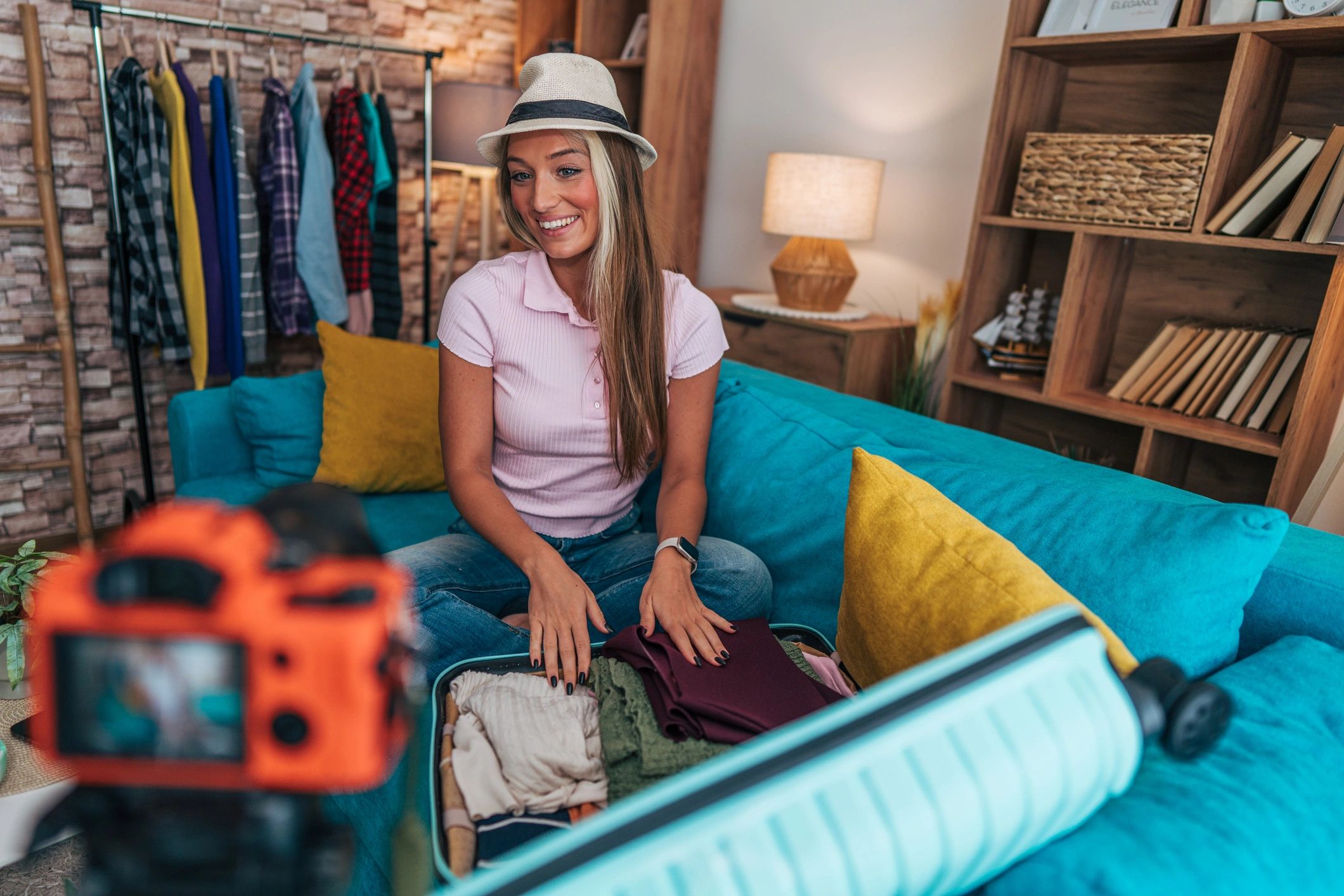
Pack Light, Travel Smart: Your 10-Day Journey Starts Here
Packing for a 10-day trip can feel like a balancing act—bring too much, and you’ll wrestle with heavy luggage; pack too little, and you risk discomfort or last-minute purchases. The truth? Over 60% of travelers regret either overpacking or forgetting essential items, leading to unnecessary stress and added costs. But with strategic planning, you can travel light, stay organized, and move freely through airports, city streets, and outdoor trails. This guide will walk you through a step-by-step packing framework designed to maximize versatility and minimize bulk.
You’ll learn how to build a capsule wardrobe using mix-and-match outfits, choose the right luggage based on destination climate and transit needs, and prioritize multi-functional items that save space and weight. We’ll cover smart folding techniques, packing cube strategies, and how to meet airline carry-on requirements—whether you’re navigating narrow European sidewalks or trekking through mountainous regions near Jhelum. From weather-appropriate layering to essential toiletries and tech, every recommendation is tailored to help you move efficiently and confidently. By the end, you’ll have a streamlined packing list that fits your itinerary, lifestyle, and travel style—all without sacrificing comfort or preparedness.
The Essential 10-Day Packing List: What to Bring Without Overpacking
Traveling for 10 days means striking the perfect balance between being prepared and avoiding excess weight. A well-curated packing list keeps your luggage manageable while ensuring you’re equipped for various activities, weather conditions, and destinations—from urban hubs like Jhelum to scenic getaways in mountainous or coastal regions. The key is strategic selection across four core categories: clothing, toiletries, electronics, and travel documents.
Clothing: Pack versatile, mix-and-match items. Bring 7–8 tops, 3–4 bottoms, 2–3 pairs of shoes (walking shoes, sandals, and one formal pair), lightweight outerwear, sleepwear, and undergarments. Choose wrinkle-resistant fabrics and limit colors to a cohesive palette. Use packing cubes to compress and organize outfits by day or purpose.
Toiletries: Follow TSA guidelines with travel-sized containers. Prioritize essentials: toothbrush, toothpaste, floss, deodorant, shampoo, conditioner, face wash, sunscreen, and any prescribed medications. Use a clear, resealable toiletry bag for easy screening and spill prevention.
Electronics: Don’t forget your phone, charger, universal adapter (especially helpful when traveling across regions), headphones, and portable power bank. If applicable, pack e-readers or travel cameras.
Travel Documents: Secure your passport, visa (if required), printed itineraries, hotel confirmations, travel insurance details, and emergency contacts. Store digital backups securely online and keep physical copies separate from originals.
Stick to this streamlined checklist to stay light, efficient, and fully prepared for your journey.
Master Your Capsule Wardrobe: Mix, Match, and Pack Light for 10 Days
Maximize outfit variety while minimizing luggage with a strategic capsule wardrobe. This approach revolves around curating versatile, interchangeable pieces that blend seamlessly across multiple looks—perfect for travelers aiming to pack efficiently without sacrificing style. Follow these steps to build a mix-and-match travel wardrobe that works as hard as you do.
-
Choose a Cohesive Color Palette
Select 3–4 neutral base colors (like navy, gray, or beige) and 1–2 accent shades (such as burgundy or olive). This ensures every top pairs with every bottom, increasing outfit combinations without clutter. -
Start with Core Bottoms (3–4 Items)
Pack a mix of travel-friendly pants, jeans, and a skirt or shorts. Opt for wrinkle-resistant fabrics that transition from daytime sightseeing to dinner out. Darker tones hide wear and reduce the need for frequent washing. -
Layer with Purpose (2–3 Tops & 1 Jacket)
Include lightweight, moisture-wicking shirts, a long-sleeve thermal for cooler evenings, and a breathable button-down. Add a packable outer layer like a trench or utility jacket for weather variability—ideal for destinations with changing climates like Jhelum or mountainous regions. -
Incorporate 1–2 Statement Pieces
A patterned blouse or colored sweater adds personality and functions as a standalone focal point. Pair it with neutrals to create a fresh look without overpacking. -
Limit Footwear to 2–3 Pairs
Choose one walking shoe, one casual pair, and optionally, a foldable flat or sandal. Stick to versatile styles in neutral tones to match all outfits. -
Accessorize Strategically
Use scarves, belts, or jewelry to transform outfits. A single accessory can redefine a look—perfect for stretching a 7-piece wardrobe into 10 unique ensembles.
Pro Tip: Lay out all pieces and test 3–4 potential combinations before finalizing your selection. This reveals gaps or redundancies, ensuring maximum efficiency.
5 Game-Changing Packing Hacks for a Lighter, Smarter 10-Day Trip
Maximize suitcase space and minimize travel stress with these five proven packing strategies tailored for a 10-day journey. Whether you’re hopping between city streets or balancing beach days with mountain hikes, these tips help you stay efficient, organized, and ready for anything.
-
Roll Clothes Instead of Folding
Rolling soft fabrics like t-shirts, jeans, and activewear saves significant space while reducing wrinkles. This technique fits more items into compact luggage and makes unpacking a breeze. Pair it with a bundle packing method—wrapping garments around each other—for even better compression and organization. -
Use Packing Cubes Strategically
Invest in multiple-sized packing cubes to compartmentalize by category: tops, bottoms, underthings, or workout gear. Compression cubes take it further by squeezing out excess air—perfect for bulky items. In tourist-heavy spots like Jhelum or mountain towns, this system keeps essentials accessible and discourages over-packing. -
Choose Versatile Footwear Wisely
Limit shoes to two or three pairs max: one walking-friendly option (like stylish sneakers), one casual slip-on, and optionally one dressier style. Prioritize lightweight, all-terrain soles that transition seamlessly from day hikes to dinner outings. Remember—extra shoe weight adds up fast. -
Layer Outfits for Mix-and-Match Flexibility
Build a capsule wardrobe around neutral colors and interchangeable pieces. A single jacket, two tops, and multiple bottoms can create numerous looks. This modular approach reduces volume while adapting to changing weather or destinations. -
Pack Multi-Functional Accessories
Bring a scarf that doubles as a blanket, a travel towel that dries quickly, or a backpack convertible to a personal item. These dual-use items save space and ensure you’re prepared for surprise layovers or sudden weather shifts—without the clutter.
Pack Smart for Any Climate and Adventure: A Step-by-Step Guide
Traveling across diverse climates and activity types doesn’t require a packed suitcase of redundancy. With a strategic, activity-based packing approach, you can adapt seamlessly from city strolls to beach days and mountain hikes—without overpacking. Follow these steps to build a versatile, efficient travel wardrobe and gear list in under 20 minutes.
1. Start with a Core Capsule Wardrobe
Choose 5–7 mix-and-match clothing items in lightweight, moisture-wicking fabrics. Include a pair of convertible travel pants, two neutral tops, a long-sleeve base layer, a packable jacket, and a versatile dress or collared shirt. These form the foundation for urban explorations, casual dinners, and light outdoor activities in cities like Jhelum or other moderate climates.
2. Layer for Climate Shifts
For cooler or variable environments, use the layering principle: base (moisture control), mid (insulation), and outer (weather protection). Add a compact fleece and waterproof shell for mountain trails or coastal breezes. In hot climates, prioritize UPF-rated sun shirts and a wide-brim hat. Pack a single quick-dry towel for beach or hiking use.
3. Optimize Footwear by Priority
Limit shoes to two pairs: one for walking (lightweight sneakers or trail-ready sandals) and one compact foldable option for urban evenings. If visiting beaches, ensure your daytime shoes transition well to sand. For hiking, break in boots before departure and bring blister-prevention patches.
4. Organize by Use Case with Packing Cubes
Use separate cubes for urban, outdoor, and swimwear items. Roll clothes to maximize space and minimize wrinkles. Keep frequently needed items—like sunscreen, portable charger, and passport—easily accessible.
5. Finalize with Multi-Use Essentials
Choose toiletries that serve multiple purposes—a facial cleanser that doubles as body wash, lip balm with SPF, and a microfiber scarf that works as a blanket, towel, or sun shield. Test your packed bag’s weight: if it exceeds 15% of your body weight, remove one non-essential item.
This method ensures you’re ready for anything—from an unexpected drizzle in the hills to a sunset dip in coastal waters—without sacrificing space or simplicity.
TSA Rules, Liquid Limits, and How to Avoid Overpacking: Your Top Questions Answered
Can I bring full-size liquids in my carry-on?
No—for carry-ons, the TSA enforces the 3-1-1 rule: containers must be 3.4 ounces (100ml) or less, fit in one quart-sized clear bag, and each passenger is limited to one bag. This includes gels, aerosols, and creams. Pack larger toiletries like shampoo or sunscreen in checked luggage to avoid hassles.
What items are always prohibited in carry-ons?
Sharp objects (like box cutters or large scissors), firearms, stun guns, and self-defense sprays (pepper spray, mace) are strictly banned. Lithium batteries and electronics must be in carry-ons only—never checked bags—for safety.
How should I pack medications and essential liquids?
Medications, breast milk, and infant formula are exempt from the 3-1-1 rule but must be declared at security. Pack them in a separate clear bag for easy access. Always carry prescriptions in original packaging to prevent delays.
Can I bring snacks or food through security?
Yes—solid food items like sandwiches, nuts, or fruit are allowed. Avoid liquids or gels over 3.4oz, such as jars of salsa or large yogurt containers. Wrap items securely to prevent spills during screening.
How do I avoid overpacking clothes for 10 days?
Stick to a capsule wardrobe with mix-and-match pieces in one color palette. Roll clothes to save space and prevent wrinkles. Limit footwear to 2–3 versatile pairs. Bring travel-sized laundry detergent to refresh clothes mid-trip.
Do checked bags have stricter rules?
Checked luggage allows larger containers of liquids, but avoid packing fragile or irreplaceable items. Remember, alcohol over 140 proof isn’t allowed, and spare lithium batteries are never permitted in checked bags.
Any local tips for stress-free airport screening?
Arrive early—especially at busy hubs like Jhelum or major international airports. Wear easy-to-remove shoes and avoid metal accessories. Keep your quart-sized liquids bag and electronics easily accessible for a smoother TSA experience.
Master the Art of Lightweight Travel with Confidence
Packing efficiently for a 10-day trip isn’t about squeezing more into your bag—it’s about bringing only what truly matters and eliminating decision fatigue before you even leave home. By now, you’ve learned how strategic planning, capsule wardrobe principles, and smart packing techniques can transform your travel experience from chaotic to seamless. The key takeaway? A well-curated packing list rooted in purpose and practicality reduces stress, saves time at security, and unlocks greater freedom on the go.
Start by auditing your itinerary: if an item doesn’t match your destination’s climate, activities, or dress code, leave it behind. Utilize packing cubes to compartmentalize essentials, compress clothing to maximize space, and choose versatile, mix-and-match outfits that can be worn multiple ways. Stick to travel-sized toiletries stored in leak-proof containers, and always keep important documents and a mini first-aid kit in your carry-on.
Take action today—download or create a customized checklist based on your destination, whether you’re exploring the cultural hubs of Jhelum, navigating urban centers, or unwinding in quieter regions. Share it with your travel companions to ensure consistency and accountability. With the right system in place, light packing becomes second nature, leaving you more room—both physically and mentally—to enjoy every moment of your journey. Travel lighter, live fuller.
Discover more from UnzipWorld: DIY, E-commerce, Fashion & Tech Insights
Subscribe to get the latest posts sent to your email.