
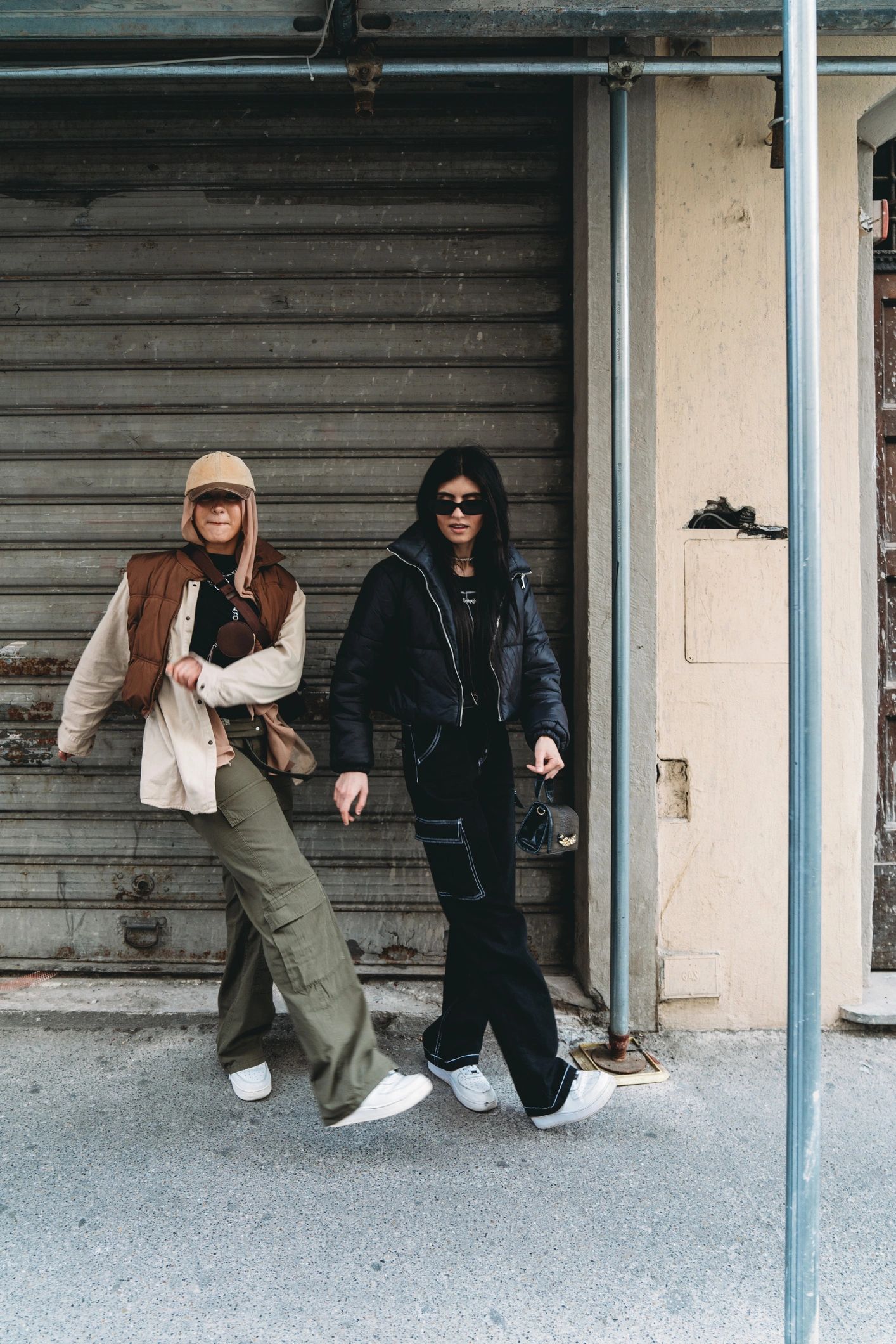
Where Streetwear Meets Culture: The Evolution of Urban Fashion
Streetwear is no longer just about graphic tees and sneakers—it’s a global cultural movement rooted in self-expression, music, and city life. From London’s underground skate scenes to Manchester’s street art collectives, urban fashion has become a voice for individuality and rebellion. Today, streetwear blends high fashion with everyday comfort, merging luxury aesthetics with grassroots authenticity. What was once niche is now mainstream, shaping runway trends and redefining what it means to “dress cool” in 2024.
This evolution reflects deeper shifts in consumer values: authenticity, inclusivity, and sustainability are now just as important as style. Shoppers in cities like Bristol, Leeds, and Glasgow are leading the charge, prioritising brands that speak to local identity while embracing global influences. Limited drops, collaborative designs, and wearable art are driving demand for pieces that tell a story—not just follow one.
In this post, you’ll explore how streetwear continues to shape youth culture, how to identify quality pieces that last, and where to find styles that reflect both personal flair and ethical values. You’ll also learn practical tips for styling streetwear for different seasons, maintaining garment longevity, and supporting independent creators across the UK. Whether you’re building your first fit or refining your existing aesthetic, this guide gives you the tools to stay informed, inspired, and ahead of the curve.
The Rise of Streetwear Influencers and Brands Defining Urban Style
Streetwear continues to dominate global fashion, with the UK emerging as a hotspot for fresh, boundary-pushing aesthetics shaped by both underground labels and digital tastemakers. Today’s trends are less about logos and more about authenticity, self-expression, and cultural relevance—driven by designers and influencers who resonate with youth culture in cities like London, Manchester, and Birmingham. Independent brands are gaining traction by focusing on limited drops, bold graphics, and collaborations with local artists, creating a sense of exclusivity that fuels demand. At the same time, micro-influencers on platforms like Instagram and TikTok are redefining style credibility, offering relatable, street-tested looks that resonate more than traditional celebrity endorsements.
To stay ahead, fashion-forward individuals are tuning into these voices and labels, using their content as inspiration for building unique wardrobes. Key pieces include oversized hoodies, cargo pants with utility detailing, and statement outerwear made from sustainable materials—reflecting a growing shift toward eco-conscious street style.
Tips to elevate your streetwear game:
- Follow UK-based creators known for authentic urban styling
- Support small brands launching capsule collections with cultural storytelling
- Prioritise fit, fabric quality, and versatility when selecting statement pieces
- Mix high-impact items with minimalist staples for balanced, wearable looks
By aligning with the right influencers and labels, you can tap into the pulse of real-time streetwear evolution—locally and globally.
5 Streetwear Trends Dominating 2026 You Can’t Ignore
Streetwear in 2026 is all about self-expression, sustainability, and smart styling. As urban fashion continues to blur the lines between comfort and high-end edge, these five standout trends are shaping how people dress across UK cities like London, Manchester, and Bristol.
-
Reconstructed Denim with Raw-Edge Detailing
This trend reimagines classic jeans, jackets, and skirts with exposed seams, patchwork inserts, and asymmetrical hems. Look for pieces with intentional distressing and upcycled fabric—perfect for adding rugged individuality to minimalist streetwear. Pair with chunky trainers and oversized tees for maximum urban impact. -
Techwear-Inspired Utility Layers
Functional outerwear is in: think cargo vests, modular jackets with zip-off components, and water-resistant parkas in muted greys and olive tones. These pieces blend weather-ready performance with dystopian style, ideal for city commuters. Focus on lightweight materials with breathable membranes and strategic pocket placement. -
Micro-Logo Embellishment
Gone are the days of bold branding. The new wave favours subtle, almost hidden branding—tiny embroidered logos on collars, cuffs, or inner linings. This minimalist approach prioritises craftsmanship over noise and pairs seamlessly with monochrome streetwear sets. -
Retro Mesh Sportswear Revival
Inspired by ’90s basketball jerseys and track jackets, mesh fabrics in vibrant yet vintage hues are making a comeback. Opt for loose-fitting silhouettes and pair with neutral street bottoms to balance the bold texture. Ideal for layering, these pieces bridge athletic wear and everyday urban style. -
Eco-Conscious Accessories: Algae-Based Bags & Cork Sneakers
Sustainability meets street cred with accessories made from innovative materials. Look for crossbody bags derived from algae foam, lightweight sneakers with cork midsoles, and beanies knitted from recycled ocean plastic. These choices elevate your look while aligning with eco-forward values.
Mix and match these elements for a fresh, forward-thinking wardrobe that turns heads—and stands the test of time.
Master Your Streetwear Vibe: A Step-by-Step Guide to Styling Trends Authentically
Streetwear continues to dominate urban fashion across the UK, blending comfort, culture, and self-expression into everyday looks. But with fast-moving trends, it’s easy to lose your personal voice in the noise. The key lies in intentional integration—adopting streetwear elements that align with your identity while staying true to your aesthetic. Follow these steps to curate a genuine, trend-savvy wardrobe.
-
Define Your Core Aesthetic
Start by identifying your style DNA—do you lean towards minimalist grunge, sporty urban, or bold statement pieces? Knowing your foundation helps you filter which trends enhance your look and which clash with it. -
Adopt One Trend at a Time
Avoid trend overload. Pick a single element—like cargo pants, oversized silhouettes, or monochrome layering—and test it with your existing staples. This minimises waste and lets you assess fit and authenticity. -
Elevate with Signature Accessories
Authenticity shines in the details. Incorporate personal touches through caps, chains, or limited-edition trainers. These pieces become your fashion fingerprints, setting you apart in cities like Manchester, Bristol, or London. -
Mix High and Low for Balance
Pair a viral graphic hoodie with tailored trousers or clean white sneakers. This contrast blends street credibility with polish, making your look versatile for both street style and social outings. -
Customise to Claim It
Alter, patch, or dye trend pieces to reflect your story. Customisation not only ensures uniqueness but extends garment life—supporting sustainable fashion values without sacrificing edge.
Stay current, but stay you.
Your Streetwear Sourcing, Pricing & Sustainability Questions—Answered
Navigating the streetwear market can feel overwhelming, especially when trying to balance authenticity, cost, and environmental responsibility. Here are some of the most common questions shoppers and resellers ask—and what you need to know to make smarter choices.
Where does most streetwear come from, and how does sourcing affect quality?
Popular streetwear is often produced in countries with specialised garment manufacturing, including Portugal, Turkey, and parts of East Asia. The sourcing location impacts not only cost but also quality control and lead times. EU-manufactured pieces typically offer tighter production oversight and faster shipping for UK buyers, while limited drops from independent designers may come from small-batch local ateliers in cities like Manchester or Berlin.
Why are some streetwear items so expensive?
Pricing reflects more than materials—it includes design exclusivity, brand narrative, drop culture, and resale demand. Limited runs create scarcity, while premium fabrics like Japanese denim or heavyweight loopback cotton increase production costs. Collaborations with artists or influencers also drive up perceived value.
How can I tell if streetwear is truly sustainable?
Look beyond aesthetics. Sustainable pieces use eco-friendly fabrics (organic cotton, recycled polyester), low-impact dyes, and ethical labour practices. Transparent brands share factory locations and certifications like GOTS or OEKO-TEX®. Avoid pieces with misleading “eco” labels that lack proof.
Is buying secondhand streetwear a sustainable choice?
Yes—and it’s smart shopping. Thrifting or purchasing pre-loved drops reduces textile waste and carbon footprint. Vintage pieces often feature higher construction quality than fast-fashion replicas, making them durable additions to any wardrobe.
What should I check before buying streetwear online?
Review fabric content, care instructions, and return policies. Check customer photos for real-life fit and finish. For limited releases, verify authenticity through trusted platforms or community forums.
How can I style streetwear sustainably long-term?
Opt for timeless silhouettes over trend-driven items. Mix high-impact statement pieces with neutral basics to extend wearability across seasons. Repair, restyle, or upcycle instead of discarding.
Make Your Mark: Why Individuality Rules in Streetwear
Streetwear isn’t just about what you wear—it’s about how you wear it and the story you tell. As trends cycle faster than ever, the most impactful looks aren’t the ones that follow the crowd, but the ones that break the mould. From the cobbled streets of Edinburgh to the vibrant markets of East London, personal expression has become the true hallmark of modern streetwear. It’s no longer enough to simply own a hoodie or a limited-edition sneaker—how you style it defines your fashion footprint.
The rise of deconstructed layering, asymmetric silhouettes, and bold DIY customisation proves that authenticity reigns supreme. Whether you’re pairing vintage windbreakers with tailored trousers, reimagining thrifted tees with hand-painted details, or opting for gender-fluid fits, your choices become acts of creative resistance against cookie-cutter fashion.
To stand out:
- Mix high and low elements—pair a recycled fabric jacket with classic denim and statement footwear.
- Invest in pieces that allow reinterpretation, like modular jackets or reversible designs.
- Customise intentionally—embroidery, patchwork, or strategic distressing can transform basics into unique statements.
Your wardrobe should evolve with you—reflecting your values, location, and lived experience. In a landscape flooded with fast fashion replicas, your individuality is your most sustainable style asset. Start experimenting fearlessly. The boldest trend isn’t a logo, a silhouette, or a season—it’s being unapologetically you.
Discover more from UnzipWorld: DIY, E-commerce, Fashion & Tech Insights
Subscribe to get the latest posts sent to your email.