
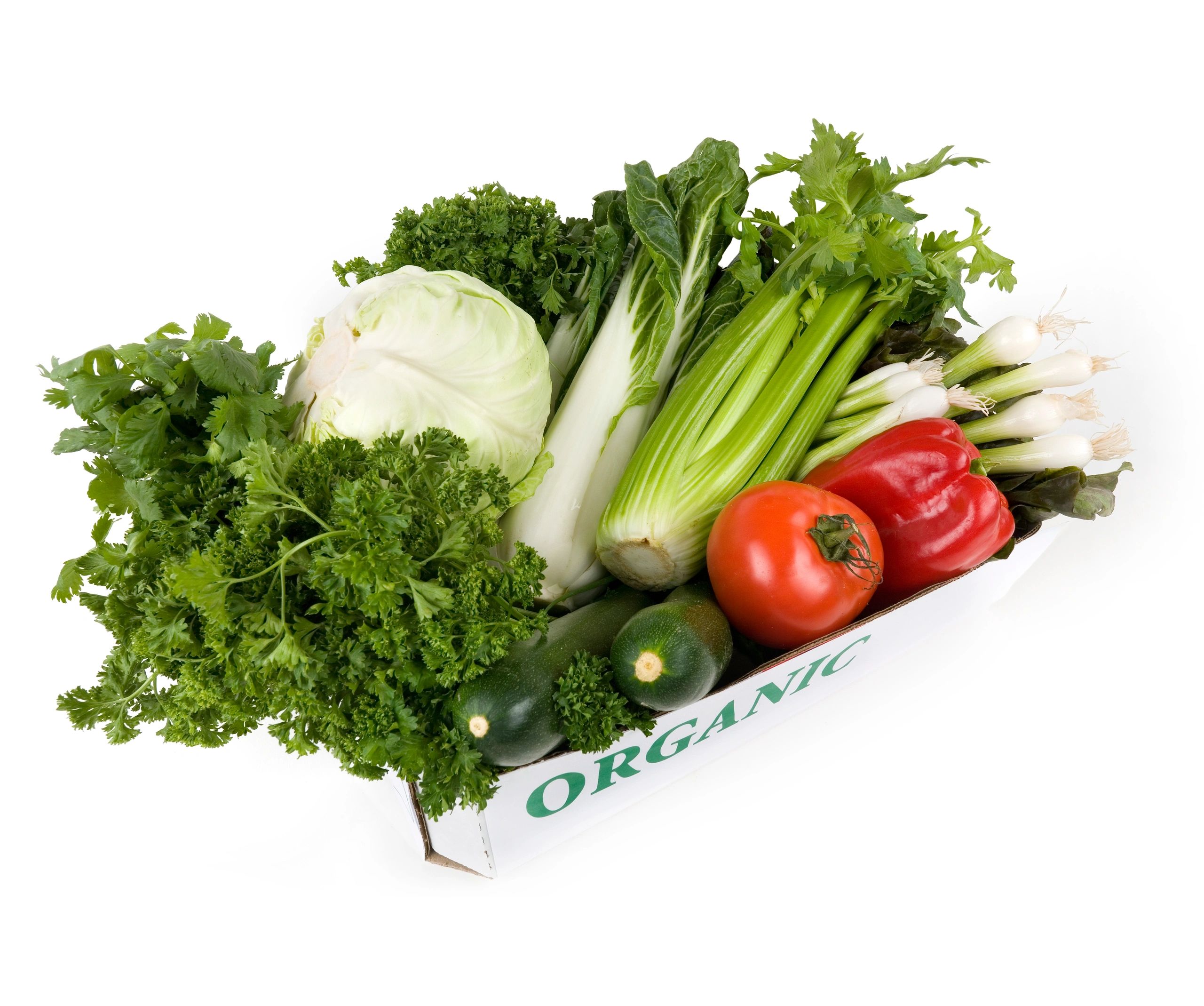
Why Affordable Organic Veggies Are Easier to Find Than Ever
Busy lifestyles and rising health awareness are reshaping how consumers source fresh produce—especially in urban areas like London, Manchester, and Birmingham. More people are seeking affordable organic vegetables without the hassle of multiple grocery trips, and online home delivery has become a game-changer for time-pressed families, remote workers, and wellness-focused households. The good news? Accessing high-quality, budget-friendly organic produce no longer means compromising on freshness or convenience.
Digital marketplaces now connect consumers directly with trusted suppliers who prioritise sustainable farming, seasonal harvesting, and efficient distribution networks. These platforms often offer subscription models, bulk discounts, and flash deals that make organic vegetables more accessible than ever—particularly for those in major UK cities where delivery logistics are optimised for speed and refrigerated transport.
In this guide, you’ll learn how to identify reliable online sources for affordable organic vegetables, what to look for in product descriptions and delivery policies, and how to compare value beyond just price per item. You’ll also discover practical tips for verifying certification, assessing farm-to-table timelines, and integrating organic produce seamlessly into your weekly meal planning—all from the comfort of your home.
Master the Search: A Step-by-Step Guide to Sourcing Affordable Organic Vegetables Online
Finding budget-friendly, high-quality organic vegetables online starts with a strategic approach that balances cost, freshness, and reliability. Follow these steps to make smart, informed decisions from the comfort of your home.
-
Refine Your Search with Intent-Based Keywords
Use specific phrases like “affordable organic vegetables online UK” or “cheap organic veg box delivery London” to filter out irrelevant results and prioritise platforms with regional availability and competitive pricing. -
Compare Subscription Models and Minimum Orders
Many providers offer discounts through weekly subscriptions or bulk purchases. Evaluate whether a recurring box delivery reduces per-item costs compared to one-time orders, especially for staples like carrots, kale, and tomatoes. -
Assess Source Transparency and Farm Partnerships
Look for sellers that name their farms or growing regions—this often indicates trustworthiness. Organic produce sourced from UK-certified growers ensures compliance with strict cultivation standards and reduces transport time. -
Evaluate Delivery Zones and Frequency
Choose services that operate within your postcode and offer flexible delivery windows. Urban areas typically benefit from same-week or next-day options, preserving freshness and reducing spoilage risks. -
Read Customer Feedback on Value and Quality
Focus on reviews that mention vegetable shelf life, packaging sustainability, and portion accuracy. Consistent praise for crispness and flavour is a strong sign of reliable cold-chain logistics. -
Test with a Trial Box Before Committing
Start with a small order to assess quality, delivery punctuality, and true value. The best platforms make it easy to modify, pause, or cancel—giving you control without long-term pressure.
What to Look for in a Trusted Online Vegetable Provider
Choosing the right online source for affordable organic vegetables means going beyond price tags and flashy claims. Start by verifying certifications—look for official organic labels that confirm the produce meets strict growing standards without synthetic pesticides or GMOs. These certifications aren’t just stamps; they reflect traceable farming practices that prioritise both health and environmental stewardship.
Seasonal availability plays a major role in cost and freshness. Providers sourcing from regional farms often offer seasonal boxes that align with natural harvest cycles, ensuring better flavour, nutrition, and lower costs. Opt for services that clearly outline what’s in season, especially those highlighting UK-grown produce from regions like Kent or Yorkshire.
Packaging sustainability is another key factor. The best providers use compostable, recyclable, or reusable materials to reduce environmental impact. Avoid companies that rely heavily on plastic or non-recyclable insulated liners, especially if eco-conscious living is important to you.
Finally, customer reviews are invaluable. Look for consistent feedback about produce quality, box variety, and delivery reliability. Positive comments on freshness and accurate seasonal selections are strong indicators of a dependable service. These insights, combined with transparent sourcing, help you make smarter, more sustainable choices when shopping for organic vegetables online.
How Top Platforms Compare on Price, Variety, and Organic Sourcing
When searching for affordable organic vegetables online, not all platforms deliver the same value. Understanding key differences in pricing models, produce selection, sourcing ethics, and delivery consistency can help you make cost-effective, health-conscious choices—especially if you’re based in urban areas where freshness and speed matter.
Price structures vary significantly. Some services charge premium rates for pre-boxed organic produce, while others offer flexible market-style ordering, letting you choose exactly what you need and avoid paying for unwanted items. Subscription models often reduce per-item costs, but beware of hidden delivery fees or mandatory add-ons that inflate the overall price.
Variety is another deciding factor. Leading platforms rotate seasonal offerings weekly, featuring everything from heirloom tomatoes to specialty greens like mizuna or watercress. Others stick to basic staples, limiting culinary flexibility. Look for services that source from certified organic farms and clearly label origin information—ideally highlighting partnerships with UK-based growers in regions like Kent or Lincolnshire.
Sourcing transparency matters: top-tier providers avoid air-freighted produce, opting instead for locally harvested, sustainably farmed vegetables to reduce environmental impact and enhance freshness. Delivery reliability is equally critical—consistent next-day or same-day slots, especially across Greater London postcodes, ensure your greens arrive crisp and nutrient-rich.
To maximise value, compare:
- Cost per kilogram for core staples like carrots, spinach, and bell peppers
- Availability of lesser-known organic varieties (e.g., purple sprouting broccoli, golden beets)
- Evidence of soil-first farming practices and chemical-free cultivation
- Cold-chain delivery performance and flexibility in rescheduling
Choosing the right platform means balancing affordability with integrity in sourcing and freshness.
Your Top Questions About Ordering Organic Vegetables Online – Answered
How fresh are organic vegetables when delivered?
Organic produce ordered online is typically harvested at peak ripeness and shipped in temperature-controlled packaging to preserve freshness. Most reputable services partner with local farms and use next-day delivery networks, especially in regions like Greater London, ensuring vegetables arrive crisp and nutrient-rich within 24–48 hours of packing.
Is there a minimum order value for home delivery?
Yes, many providers require a minimum spend—often between £30 and £50—to qualify for free delivery. This helps offset logistics costs, particularly for perishable goods. However, some services offer reduced thresholds for first-time customers or local deliveries in areas like Zone 1 London.
Can I customise or skip weeks in a vegetable subscription?
Absolutely. Flexible subscription models allow you to adjust deliveries based on your schedule. You can typically swap box contents, pause upcoming orders, or cancel anytime through your account dashboard, usually with a 48-hour notice before dispatch.
How do I know if the produce is truly organic?
Look for certified organic labels such as UK Soil Association accreditation, which ensures adherence to strict farming standards. Transparent vendors disclose their farm sources, growing practices, and certification details directly on product pages or FAQs.
Are organic veg boxes suitable for specific diets like vegan or low-waste?
Yes, most services accommodate lifestyle preferences. Vegan-friendly boxes are standard, and many brands support low-waste living by using recyclable packaging and offering compostable vegetable scraps in select urban areas.
What happens if I receive damaged or spoiled produce?
Reputable providers have satisfaction guarantees. If items arrive compromised, you can usually report the issue within 24 hours via your account for a refund or replacement, especially critical for delicate items like leafy greens or berries.
Smart, Sustainable Shopping: Your Action Plan for Affordable Organic Vegetables Online
Finding affordable organic vegetables online doesn’t mean sacrificing quality or sustainability—it’s about adopting smarter buying habits. Start by prioritising retailers that source directly from UK farms, especially those offering seasonal produce, which naturally reduces costs and boosts freshness. Seasonal organic vegetables like carrots from Kent, kale from Yorkshire, or tomatoes grown in Cornwall greenhouses are not only more cost-effective but also higher in nutritional value due to reduced transport time and storage.
To maximise value, consider bundle deals or subscription boxes tailored to your household size. Many online providers offer discount incentives for recurring orders, and customisable boxes help minimise waste by allowing you to skip items you don’t need. Look for transparent labelling that confirms Soil Association or Organic UK certification, ensuring your vegetables meet strict growing standards without synthetic pesticides or artificial fertilisers.
Reduce long-term costs by planning weekly meals around your delivery schedule and storing vegetables properly—many leafy greens and root vegetables last longer when kept in breathable produce bags in the crisper drawer. Choose platforms with carbon-conscious delivery options, especially those serving London postcodes with electric vehicle fleets or consolidated drop-offs.
Your next step? Place a trial order based on this guidance—evaluate taste, packaging, and value firsthand. When you know how to spot quality, transparency, and true affordability, eating organic becomes not just sustainable, but simple.
Discover more from UnzipWorld: DIY, E-commerce, Fashion & Tech Insights
Subscribe to get the latest posts sent to your email.