
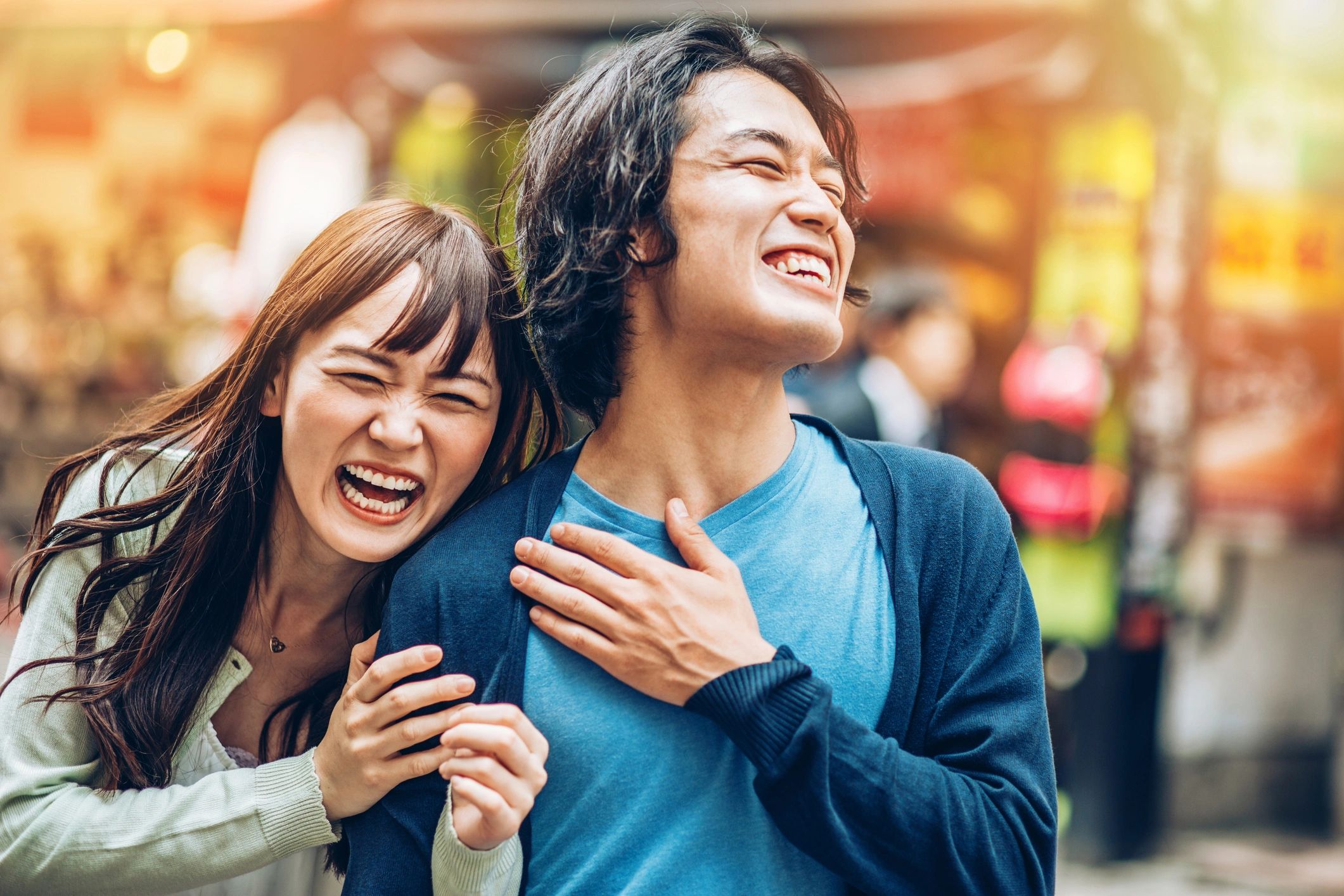
Discover a World Where Tradition Meets Adventure
Japan consistently ranks among the most desired travel destinations, blending ancient customs with futuristic innovation in a way few places can match. From the neon-lit streets of Tokyo to the tranquil temples of Kyoto, travelers experience a country where every region offers something distinct. Whether you’re exploring bustling urban centers, serene countryside villages, or coastal hideaways, Japan delivers immersive experiences that cater to culture seekers, food lovers, outdoor adventurers, and families alike.
This listicle uncovers 22 of the best things to do across the archipelago, guiding you through must-see attractions, hidden local favorites, and seasonal highlights that maximize your trip. You’ll learn how to navigate cities efficiently, time your visits to avoid crowds, and make authentic cultural connections—like participating in a tea ceremony, soaking in an onsen, or catching a sumo match.
Practical tips cover transportation hacks using the rail system, understanding regional etiquette, and identifying the best times to visit iconic sites like Mount Fuji and the snow monkeys of Nagano. With insights on food trails, day trips, and sustainable travel practices, this guide equips you with the tools to plan a trip that’s both memorable and meaningful—no matter your budget or travel style.
22 Unforgettable Experiences That Define Japan Travel
Exploring Japan goes far beyond sightseeing—it’s about immersing yourself in a culture where ancient traditions meet cutting-edge innovation. From snow-dusted villages to neon-lit cities, these 22 experiences capture the essence of what makes Japan a bucket-list destination.
-
Witness Cherry Blossoms in Kyoto’s Philosopher’s Path
Time your visit for spring to see sakura in full bloom. Walk this scenic canal-side trail lined with over 500 cherry trees—ideal for peaceful reflection or hanami (flower viewing) picnics. -
Ride the Shinkansen Between Tokyo and Osaka
Experience Japan’s legendary bullet train. In under three hours, travel from bustling Tokyo to food-centric Osaka, enjoying views of Mount Fuji along the way. -
Explore Fushimi Inari’s Thousand Torii Gates
Hike through vibrant red gates winding up the mountainside in Kyoto. Visit early morning or late evening to avoid crowds and capture stunning photos. -
Soak in an Onsen in Hakone
Bathe in naturally heated mineral waters surrounded by forested hills and views of Mount Fuji. Choose a ryokan with private outdoor baths for an authentic retreat. -
Navigate Tokyo’s Robot Restaurant Show
Dive into sensory overload with neon lights, dancers, and mechanical spectacles in Shinjuku. A uniquely Japanese take on entertainment. -
Taste Authentic Ramen in Sapporo
Sample miso ramen, a Hokkaido specialty. Visit during winter for the famous Snow Festival and warm up with hearty bowls from local ramen alleys. -
Cycle Through Shirakawa-go’s Gassho-Zukuri Villages
Discover UNESCO-listed thatched-roof farmhouses nestled in the mountains. Winter transforms the village into a snow-globe scene. -
Attend a Sumo Wrestling Tournament in Tokyo
Catch live matches at Ryogoku Kokugikan, especially in January, May, or September. Respectful viewing etiquette enhances the cultural experience. -
Wander Nara’s Deer Park and Todai-ji Temple
Feed friendly sika deer while exploring one of Japan’s oldest and largest wooden structures housing a giant Buddha statue. -
Shop in Osaka’s Dotonbori District at Night
Indulge in street food like takoyaki and crab while soaking in flashy neon signs and lively street performers. -
Stay in a Traditional Ryokan with Kaiseki Dining
Experience multi-course meals made with seasonal ingredients and sleep on futons atop tatami mats for full cultural immersion. -
Visit Miyajima Island’s Floating Torii Gate
See Itsukushima Shrine’s iconic gate appear to float during high tide. Combine with a hike up Mount Misen for panoramic views. -
Explore Hiroshima’s Peace Memorial Park
Honor history with a visit to this solemn tribute. Learn through interactive exhibits and witness the preserved A-Bomb Dome. -
Snowboard in Niseko’s Powder-Filled Slopes
Hokkaido’s world-class resort offers soft, dry snow and terrain for all skill levels, plus après-ski hot springs. -
Discover Hidden Gems in Kanazawa’s Samurai District
Walk through preserved Edo-era streets, visit geisha teahouses in Nagamachi, and admire Kenrokuen Garden’s year-round beauty. -
Take a Day Trip to Takayama’s Alpine Town
Famous for sake breweries and morning markets. Sample Hida beef grilled fresh on skewers. -
Experience a Tea Ceremony in Uji
Learn the art of matcha preparation in Japan’s top green tea-producing region, just outside Kyoto. -
Hike the Nakasendo Trail’s Magome to Tsumago Route
Walk this well-preserved Edo-period post town path through forests and traditional wooden houses. -
Attend the Gion Matsuri Festival in Kyoto (July)
One of Japan’s most iconic festivals featuring ornate floats, traditional dress, and centuries-old rituals. -
Explore Otaru’s Charming Canals and Music Box Museum
A scenic coastal town in Hokkaido known for romantic evening walks and nostalgic charm. -
Dive into Akihabara’s Otaku Culture
From anime shops to maid cafes, this Tokyo district is paradise for fans of Japanese pop culture. -
Unwind in Beppu’s Hell Baths (Jigoku Meguri)
See dramatic geothermal pools in Kyushu, each with unique colors and properties—perfect for learning about natural hot spring science.
Immerse Yourself in Japan’s Living Traditions
Japan offers travelers unparalleled opportunities to experience centuries-old customs that remain vibrant today. Engaging in authentic cultural practices—like participating in a traditional tea ceremony, dressing in a kimono, or witnessing sumo wrestling up close—not only deepens your understanding of Japanese heritage but also enhances your travel experience with meaningful, memorable moments.
A tea ceremony, or chanoyu, is more than just drinking matcha—it’s a meditative practice rooted in Zen principles of harmony, respect, purity, and tranquility. Sessions held in Kyoto machiya townhouses or tea houses in Tokyo’s historic Asakusa district allow guests to observe precise movements, seasonal aesthetics, and mindful etiquette firsthand. To get the most out of the experience, arrive early, sit properly in seiza (kneeling) position if possible, and savor each step, from the preparation to the quiet appreciation of the bowl’s craftsmanship.
Wearing a kimono, especially in cultural hubs like Kyoto, Kanazawa, or Nikko, lets you step directly into Japan’s sartorial tradition. Many rental shops offer full styling services, including hair arranging and accessories, making it easy for visitors to walk through scenic districts like Higashiyama with historical elegance. Opt for a yukata in summer for lighter comfort during festivals.
For a uniquely powerful experience, attending a sumo training session or stable visit—available in Tokyo and Osaka—allows up-close observation of these athletic traditions. Watching rikishi (wrestlers) perform dawn exercises offers rare insight into the discipline, diet, and daily life behind the sport.
These cultural encounters are not performances—they’re living practices. Approach them with respect, curiosity, and openness to create a richer, more authentic journey through Japan.
Your Top Questions About Visiting Japan—Answered
When is the best time to visit Japan?
The ideal time depends on your travel goals. Spring (March to May) offers pleasant temperatures and the famous cherry blossoms in cities like Kyoto and Tokyo. Autumn (September to November) delivers crisp air, vibrant foliage, and fewer crowds. Winter (December to February) is perfect for skiing in Hokkaido or experiencing snowy onsen towns, while summer brings festivals—but also humidity and typhoon risks, especially in July and August.
What cultural etiquette should I be aware of?
Respect is central to Japanese culture. Bowing is a common greeting; a slight nod suffices for tourists. Remove shoes when entering homes, ryokans, or certain temples. Avoid loud conversations on public transport and never eat while walking—especially in cities like Osaka or Kyoto. Tipping isn’t customary and can be seen as rude. Always handle chopsticks properly and never stick them upright in rice.
Is Japan safe for solo and international travelers?
Japan consistently ranks among the safest countries for tourists. Crime rates are low, and public spaces—from Tokyo subways to rural villages—are clean and well-maintained. However, be mindful of natural events like earthquakes and typhoons. Register with your embassy and download emergency alert apps for real-time updates.
Do I need cash, or is card payment widely accepted?
While major cities accept credit cards, many small shops, temples, and rural areas operate on cash only. Always carry yen, especially when visiting traditional markets or countryside inns. ATMs at 7-Eleven and post offices are reliable for withdrawals.
What transportation tips should I know?
Purchase a prepaid IC card (like Suica or Pasmo) for seamless train, bus, and convenience store access in urban areas. Consider a Japan Rail Pass if planning intercity travel via Shinkansen. Trains are punctual—arrive early and stand behind platform lines.
Make the Most of Your Japanese Adventure
Japan offers an unparalleled mix of ancient traditions, cutting-edge innovation, and breathtaking natural beauty—from the serene temples of Kyoto to the neon-lit streets of Tokyo and the snow-draped slopes of Hokkaido. Throughout this guide, we’ve explored iconic destinations and hidden gems that showcase the country’s regional diversity, seasonal charm, and cultural depth. Whether you’re experiencing the cherry blossoms in Osaka, soaking in an onsen in Hakone, or savoring authentic ramen in Fukuoka, each moment in Japan is an opportunity to engage with a destination that honors its past while shaping the future.
To maximize your trip, plan with flexibility and cultural awareness in mind. Research seasonal highlights like autumn foliage in Nikko or winter illuminations in Sapporo, and consider regional transit passes for cost-effective travel. Prioritize etiquette—such as proper bowing, removing shoes indoors, and quiet conduct on public transit—to connect respectfully with local customs.
Begin by crafting a balanced itinerary that blends must-see landmarks with slower, immersive experiences like tea ceremonies, local markets, or rural homestays. Use this guide as a roadmap to explore beyond the obvious, ensuring your journey reflects both inspiration and intention.
Now’s the time to start planning—Japan’s wonders await every traveler ready to explore with curiosity and respect.
Discover more from UnzipWorld: DIY, E-commerce, Fashion & Tech Insights
Subscribe to get the latest posts sent to your email.