
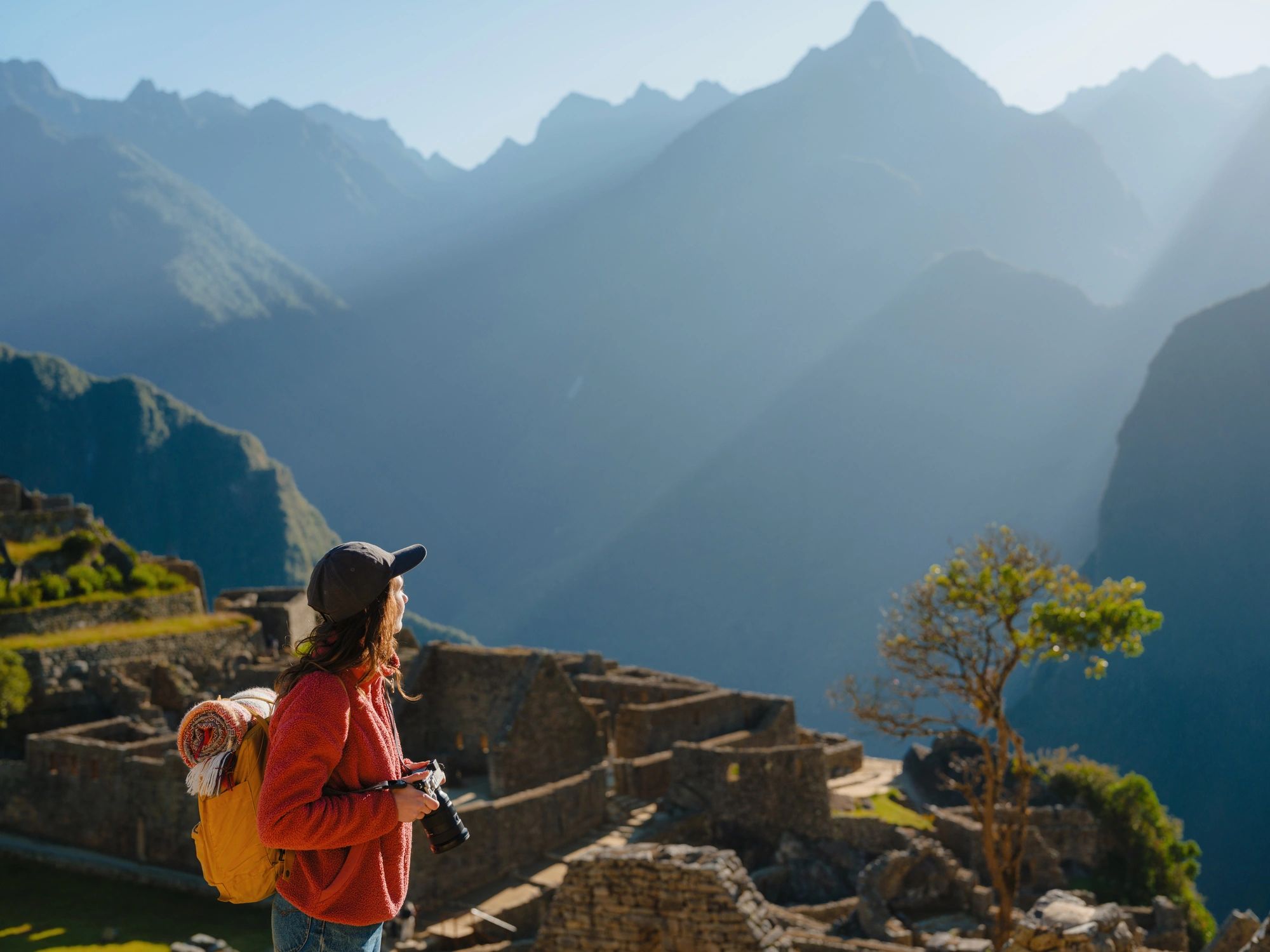
Unlock the Mysteries of an Ancient Wonder
Tucked high in Peru’s Andes Mountains, Machu Picchu stands as one of South America’s most iconic archaeological treasures—a testament to Inca engineering, spirituality, and resilience. Often referred to as the “Lost City of the Incas,” this 15th-century citadel remains shrouded in mystery, drawing travelers from around the globe who seek not only breathtaking scenery but also deep cultural discovery. Perched over 7,000 feet above sea level, surrounded by misty peaks and terraced hillsides, the site offers a rare blend of historical significance and natural grandeur that few destinations can match.
This ancient retreat, believed to have served as a royal estate or sacred religious site, showcases precision-cut stonework aligned with astronomical events and integrated seamlessly into the rugged landscape. Today, visitors are drawn not just for the iconic sun gate of Inti Punku or the Temple of the Sun, but to walk paths once trodden by Inca nobility and feel the spiritual energy that still permeates the stones.
In the following sections, you’ll discover ten unforgettable ways to experience Machu Picchu—ranging from sunrise hikes and panoramic viewpoints to quiet moments of reflection amid sacred ruins. Whether you’re planning your first visit or returning for a deeper journey, this guide will help you navigate the wonders of the site with purpose, respect, and a greater understanding of its enduring legacy.
1. Explore the Iconic Sun Gate at Dawn for Breathtaking Views
Begin your Machu Picchu journey by hiking the Sun Gate, or Inti Punku, just before sunrise. This moderate 1.5-hour trek from the main ruins offers unparalleled panoramic views of the citadel nestled in the Andes. Arriving early not only ensures golden-hour lighting for photography but also helps you avoid midday fog and crowds. Wear sturdy footwear and layer up—morning temperatures in the Cusco region can drop below 50°F (10°C). The trail winds through original Incan paving stones, giving you a sense of how ancient pilgrims approached the sacred site. As sunlight spills over the misty peaks of Huayna Picchu and Machu Picchu Mountain, take a moment to appreciate the site’s strategic placement in relation to solar events—an architectural feat of Incan engineering.
2. Walk the Temple of the Sun’s Sacred Corridors
Step into the semi-circular Temple of the Sun, a masterpiece of Incan stonework located at the heart of the complex. This once-sacred observatory was dedicated to Inti, the sun god, and aligns precisely with the solstices. Its curved walls, built without mortar, showcase ashlar masonry, a technique where stones fit together so tightly they resist seismic shifts. Inside, a carved ceremonial stone likely served astronomical or ritual purposes. Guidebooks often overlook that this temple was reserved for elite priests—your visit offers rare insight into spiritual hierarchy. Stand where high shamans once observed celestial patterns and consider how Incan cosmology shaped daily life. Avoid flash photography to preserve delicate surfaces, and look for subtle niches and trapezoidal doorways that hint at ceremonial use.
3. Conquer the Challenging Huayna Picchu Summit Trail
For adventurers seeking elevation and exclusivity, the Huayna Picchu hike delivers unmatched thrills. This steep, 45-minute ascent rewards climbers with bird’s-eye views of the entire sanctuary—a sight few visitors witness due to limited daily permits. The trail includes narrow staircases carved into cliffs and sections with ropes for safety. It’s not for those with a fear of heights. Begin at dawn alongside the Sun Gate hikers to secure the best lighting and fewer people. Along the way, you’ll pass the enigmatic Temple of the Moon, nestled in a cave halfway up. Prepare with proper hiking shoes, water, and altitude acclimatization—Cusco sits over 11,000 feet (3,400 meters) high. Note that access requires advance reservation, so plan early.
4. Experience a Traditional Andean Ceremony with Local Guides
Participate in a pagapu ceremony led by a Quechua shaman to connect with living Incan traditions. These rituals, often held at sunrise near sacred stones or water channels, involve offerings of coca leaves, flowers, and chicha (corn beer) to Pachamama (Earth Mother). While not staged for tourism, many guided tours include respectful cultural exchanges that emphasize reciprocity and gratitude. Observe how shamans interpret coca leaf patterns to glean messages from the spirit world. Participation is optional but welcoming—locals appreciate respectful onlookers who follow cues. This immersive moment underscores how ancient beliefs endure in modern Andean communities, blending Catholic and indigenous cosmologies.
5. Trace the Inca Trail’s Final Mile to the Gate of the Sun
Complete a symbolic segment of the historic Inca Trail by walking the last kilometer from km 104 to the Sun Gate entrance. Unlike the multi-day trek, this accessible stretch lets you experience original flagstone pathways, terraces, and tunnels built over 500 years ago. The final approach mirrors how Incans would have entered the city, building anticipation with every turn. Interpretive signs explain engineering techniques like drainage systems and retaining walls still intact today. This route also passes through private agricultural zones maintained by descendants of original caretakers—supporting local stewardship. Bring your passport; park rangers often check permits at the entrance.
6. Discover the Hidden Temple of the Moon in a Limestone Cave
Venture beyond the main plaza to find the Temple of the Moon, tucked into a cave halfway up Huayna Picchu. This often-overlooked structure features intricate trapezoidal niches and ceremonial altars carved directly into rock. Its secluded location suggests it was used for elite rituals or astronomical observation. The descent involves steep stone steps and partial darkness—carry a flashlight and move slowly. While fewer tourists make it here, the effort pays off with quiet reflection and dramatic stonework shaped by both nature and Incan hands. Some guides link this temple to Chakana (Andean cross) symbolism, representing spiritual realms. Allow extra time to absorb its mysterious ambiance.
7. Capture Golden Hour at the Principal Temple’s Perfection of Stone
Visit the Principal Temple during late afternoon when warm light accentuates its flawless stonework. As the largest religious structure in Machu Picchu, this temple features three massive wall sections fitted together with astonishing precision. Notice how shadow lines disappear at certain angles—a hallmark of advanced Incan craftsmanship. Photographers should use polarizing filters to reduce glare on granite surfaces. The temple’s east-facing orientation once allowed priests to track equinoxes. Stand near the central altar to imagine ceremonial gatherings marked by chanting and offerings. Unlike modern buildings, the temple’s slight inward tilt adds seismic stability, a design still studied by architects today.
8. Navigate the Agricultural Terraces and Learn About Incan Sustainability
Walk the expansive agricultural terraces that double as engineering marvels. These stepped platforms prevented erosion, managed water runoff, and created microclimates for crop cultivation. Observe how each level has distinct drainage and soil composition—engineered for maize, potatoes, and quinoa. Informative panels explain how the Incas practiced waru waru (raised field) agriculture, a sustainable method now being revived in modern Andean farming. Stroll along the lower terrace paths to see active restoration projects by cultural preservation teams. These efforts help protect against landslides while honoring ancestral knowledge. Bring binoculars to spot native plant species like quina (cinchona) used historically for medicine.
9. Meditate at the Intihuatana Stone During Quiet Morning Hours
Visit the Intihuatana, or “hitching post of the sun,” early in the morning when the site is calm. This carved granite pillar functioned as an astronomical calendar, aligning with the sun during solstices. Unlike many artifacts, it survived the Spanish conquest intact—possibly because it was harder to find or less understood. Stand to the north of the stone to observe how its shadow shifts with the sun’s position. Many visitors practice silent meditation here, drawn to its energetic reputation. While not officially designated as such, the area feels like a natural sanctuary. Respect protective ropes and avoid touching the stone to preserve its integrity for future generations.
10. Shop for Authentic Handicrafts at the Local Artisan Market Outside the Site
End your visit by supporting local artisans at the small market near the bus drop-off zone. Vendors sell handwoven textiles, alpaca wool garments, and stone carvings made using traditional Andean techniques. Look for k’eperina bags—colorful double-faced weavings with symbolic patterns passed down through generations. Bargaining is acceptable but keep it respectful; fair prices help sustain indigenous livelihoods. Avoid mass-produced souvenirs sold near train stations—they’re often imported. Instead, seek pieces with natural dyes and regional designs unique to Cusco or the Sacred Valley. Your purchase contributes to community-based tourism that preserves cultural identity beyond Machu Picchu’s walls.
Mastering Your Machu Picchu Adventure: Essential Travel Prep
Visiting Machu Picchu is a bucket-list experience, but smart preparation ensures you make the most of it. Follow these steps to plan a smooth, enjoyable journey to one of the world’s most iconic archaeological sites.
1. Choose Your Route and Book Early
Access Machu Picchu primarily through Cusco, Peru. Most travelers fly into Lima and connect domestically. From Cusco, you can take a train to Aguas Calientes (Machu Picchu Pueblo) or embark on multi-day treks like the Inca Trail, which requires permits booked months in advance due to strict limits.
2. Time Your Visit Strategically
The dry season (May to October) offers the clearest skies and best hiking conditions. Shoulder months like April or November provide fewer crowds and favorable weather. Avoid heavy rains in January and February, which can disrupt access.
3. Pack Smart for Variable Conditions
Layered clothing is essential. Include moisture-wicking base layers, a warm fleece, a waterproof jacket, and a sun hat. Don’t forget sturdy hiking boots, sunscreen, a reusable water bottle, and a light backpack. Bring your passport—entry requires ID matching your ticket.
4. Prepare for High Altitude
Cusco sits at over 11,000 feet. Arrive 2–3 days early to acclimatize. Stay hydrated, avoid alcohol, and consider natural remedies like coca tea. Ascend gradually to minimize altitude sickness risks before trekking or touring ruins.
5. Secure Tickets and Guides in Advance
Machu Picchu enforces timed entry and daily visitor caps. Purchase official entry tickets online well ahead of time, especially for Huayna Picchu or Machu Picchu Mountain hikes. Hiring a certified local guide enhances understanding of Inca history and culture.
Your Top Questions About Visiting Machu Picchu—Answered
Is Machu Picchu safe for travelers?
Yes, Machu Picchu is generally safe for tourists, but preparation is key. The main risks include altitude sickness due to the site’s elevation (~7,972 ft / 2,430 m) and slippery stone pathways during rainy season. To minimize risks, acclimate in Cusco or Sacred Valley for a day or two before visiting, wear sturdy footwear, and follow marked trails. Security personnel are present throughout the site, and solo travelers—especially women—routinely visit without incident when sticking to recommended itineraries.
How do I buy official tickets to Machu Picchu?
Tickets must be purchased in advance through official government portals to ensure authenticity and entry guarantees. Choose between Sun Gate, Machu Picchu Only, or Machu Picchu + Huayna Picchu depending on hiking preferences. Always verify that your ticket includes the specific entry time and date, as walk-ups are extremely limited. Booking 2–3 months ahead is recommended, especially during peak season (May–September).
Should I hire a licensed guide?
While not mandatory for general access, a certified guide enhances understanding of Incan engineering, spiritual beliefs, and historical context. Multilingual guides are widely available, and their commentary brings ruins like the Temple of the Sun and Intihuatana stone to life. Many travelers report that guided tours make the experience more meaningful and help navigate the site efficiently.
What are the current entry rules and restrictions?
Machu Picchu operates under timed entry slots to limit daily visitors. You must enter at your scheduled time—late arrivals may be denied. Backpacks over 5 liters are prohibited, and no food, drones, or tripods are allowed. Re-entry is not permitted, so plan your visit accordingly. New regulations also require visitors to stay within designated pathways to preserve the UNESCO World Heritage site.
How can I travel sustainably to Machu Picchu?
Sustainable tourism helps protect the site for future generations. Avoid single-use plastics, respect signage, and never touch or climb on ruins. Support local communities by booking locally licensed guides and porters if trekking. Consider visiting during shoulder months (April or October) to reduce environmental strain. Travelers who follow Leave No Trace principles contribute to long-term conservation efforts in the Andes.
Travel With Purpose: Honoring Machu Picchu’s Legacy
Machu Picchu isn’t just a destination—it’s a profound encounter with history, spirituality, and natural grandeur. Throughout this guide, we’ve explored the 10 best experiences that define a visit to this iconic Incan citadel, from sunrise at the Sun Gate to quiet moments of reflection among ancient stone terraces. Each highlights not only what to do, but how to engage—with mindfulness, preparation, and cultural sensitivity.
Now, it’s time to plan with intention. Start by selecting your travel window wisely: shoulder seasons offer fewer crowds and clearer skies. Secure your permits early, especially for Huayna Picchu or the Inca Trail, as availability fills months in advance. Choose eco-conscious tour operators who respect local customs and support sustainable tourism in Cusco and the Sacred Valley.
Practice responsible travel by staying on marked paths, refraining from touching carved stones, and carrying out all waste. Learn a few Quechua phrases to connect with locals, and always photograph people with permission. Above all, let reverence guide your journey.
Let this ancient wonder inspire not just adventure, but stewardship. Plan thoughtfully, travel respectfully, and leave only footprints on the path behind you.
Discover more from UnzipWorld: DIY, E-commerce, Fashion & Tech Insights
Subscribe to get the latest posts sent to your email.