
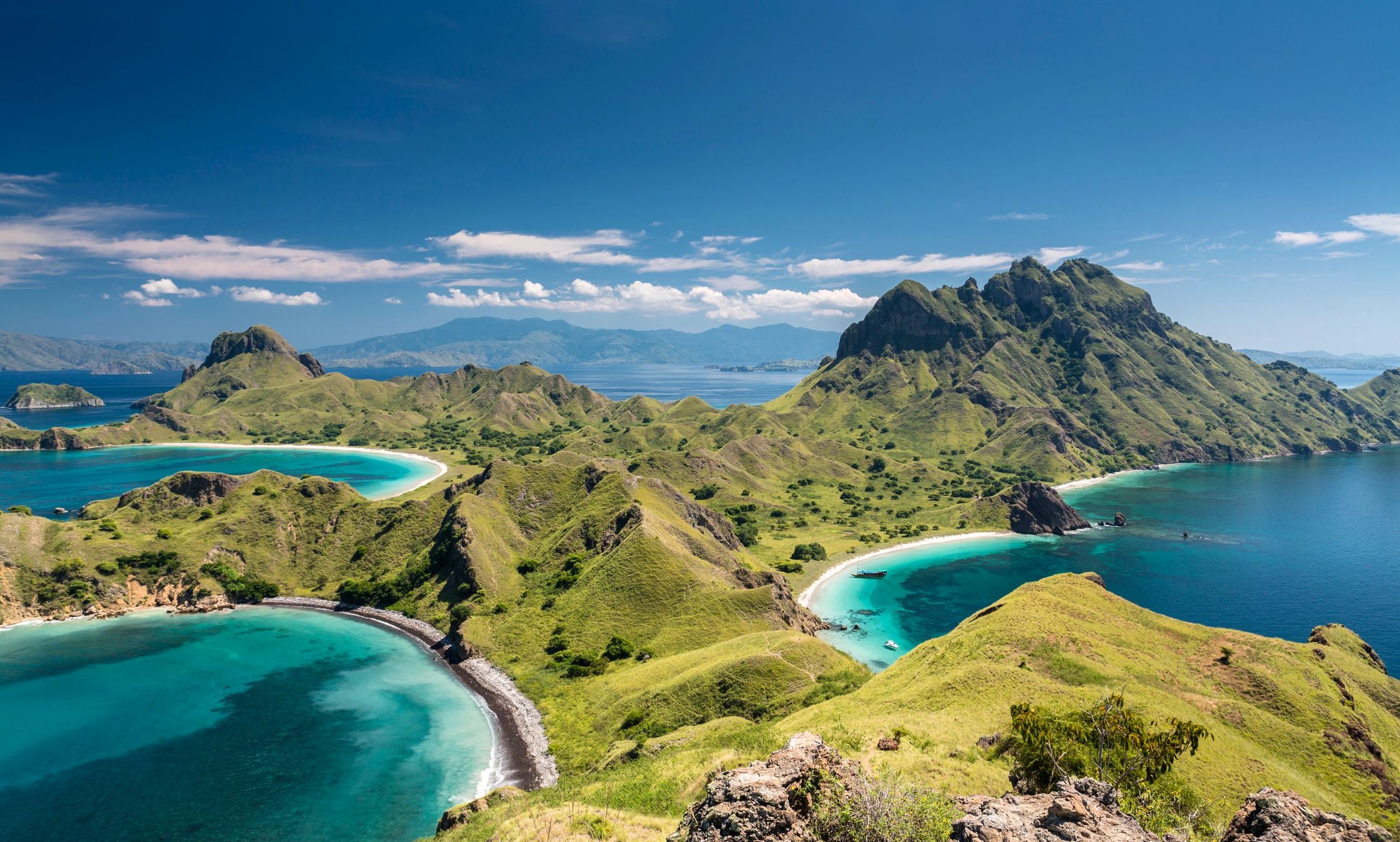
A Living Mosaic of Islands, Cultures, and Natural Wonders
Spanning over 3,000 miles of Southeast Asian ocean, Indonesia’s vast archipelago is a dynamic fusion of nature, culture, and untouched beauty. As the world’s largest island country, home to more than 17,000 islands, it offers an unmatched tropical escape where every region tells a different story—from volcanic highlands and coral-fringed atolls to ancient rice terraces and emerald rainforests. This sprawling island nation sits at the heart of the Coral Triangle, fueling extraordinary biodiversity both on land and beneath the waves.
For travelers seeking authenticity, Indonesia delivers a rich mosaic of ethnic traditions, languages, and spiritual practices, many preserved for generations across remote islands. Whether you’re exploring the cultural heartland of Java, diving in the marine sanctuaries of the east, or island-hopping through secluded atolls, each destination reveals a new facet of Indonesia’s soul.
In this guide, you’ll discover 29 of the most beautiful islands that define Indonesia’s allure. You’ll learn about accessibility, regional highlights, and ideal travel times based on seasonal patterns. We’ll also cover essential tips for respectful exploration—how to engage with local customs, minimize environmental impact, and make the most of off-grid adventures.
Get ready to chart a course through paradise—one island at a time.
29 Stunning Islands to Explore Across Indonesia’s Archipelago
Indonesia’s vast marine realm spans over 17,000 islands, each offering unique landscapes, rich biodiversity, and cultural depth. From world-famous tropical hubs to secluded atolls in remote eastern provinces, these islands provide unparalleled opportunities for eco-tourism, adventure travel, and immersive cultural experiences. Whether you’re seeking untouched coral reefs, pristine white-sand beaches, or volcanic hiking trails, knowing what sets each island apart helps travelers make informed, meaningful choices. Below is a curated list of 29 breathtaking islands that showcase the archipelago’s geographic and ecological diversity.
-
Bali – Synonymous with tropical elegance, Bali blends spiritual culture with beachfront luxury. Explore Uluwatu’s sea cliffs, Ubud’s rice terraces, and Seminyak’s vibrant culinary scene.
-
Lombok – Just east of Bali, Lombok offers rugged mountains like Mount Rinjani and secluded beaches such as Tanjung Aan, perfect for surfers and hikers alike.
-
Nusa Penida – A short boat ride from Bali, this island features dramatic limestone cliffs, the iconic Kelingking Beach, and manta ray snorkeling at Manta Point.
-
Raja Ampat Islands (Misool, Waigeo, Gam, Salawati) – Located in West Papua, this biodiverse hotspot hosts the richest coral reefs on Earth—ideal for liveaboard diving and conservation-based tourism.
-
Komodo Island – Home to the legendary Komodo dragon, this UNESCO site also offers pink sand beaches and world-class diving at seamounts like Manta Alley.
-
Flores – A gateway to Kelimutu’s tri-colored crater lakes and traditional villages like Bena, where megalithic culture thrives.
-
Sumba – Known for its megalithic tombs, wild surf breaks, and annual Pasola festival, Sumba remains culturally distinct and ecologically rich.
-
Alor Archipelago – A diver’s hidden gem with vibrant nudibranchs and traditional ikat-weaving communities in hillside villages.
-
Togian Islands – Nestled in the Gulf of Tomini, these coral-fringed isles offer jungle treks, sea turtle nesting sites, and stilted eco-resorts.
-
Banda Islands – Historically significant for spice trade, these volcanic islets boast crystal-clear waters and colonial-era forts.
-
Morotai Island – In North Maluku, Morotai features WWII relics, mangrove forests, and secluded white-sand coves.
-
Ambon Island – A diving paradise with muck sites teeming with pygmy seahorses and access to the Banda Sea’s outer reefs.
-
Sangihe Islands – Near the Philippines, these volcanic islands offer rare birdwatching and deep-wall diving above tectonic trenches.
-
Weh Island – Just off Sumatra’s tip, Weh is ideal for beginner divers and macro photography, especially around Iboih Beach.
-
Simeulue Island – Home to untouched rainforest and the unique smong tsunami warning tradition passed through oral history.
-
Belitung Island – Famous for its granite boulders scattered along beaches and as the setting of Laskar Pelangi, Indonesia’s beloved literary film.
-
Bangka Island – Adjacent to Belitung, it offers eco-lodges, mangrove kayaking, and efforts to restore damaged coral from tin mining.
-
Karimunjawa Islands – Part of Central Java, this marine park features shallow coral gardens, snorkeling trails, and sustainable fishing zones.
-
Bawean Island – A haven for endemic deer species and nesting green turtles, with growing community-led ecotourism.
-
Thousand Islands (Kepulauan Seribu) – Just north of Jakarta, these islands offer convenient getaways with coral restoration projects and day-trip resorts.
-
Pulau Weh – A biodiversity hotspot for cetaceans and pelagic fish, often included in regional marine conservation maps.
-
Pulau Banyak – An archipelago off Aceh known for atoll formations, traditional boat-building, and post-tsunami recovery tourism.
-
Derawan Islands (Pulau Derawan, Maratua, Kakaban) – In East Kalimantan, Kakaban’s stingless jellyfish lake and Maratua’s turtle sanctuaries draw eco-travelers.
-
Takalar Islands – Emerging destination in South Sulawesi with undeveloped coral reefs and strong marine stewardship by local Bugis communities.
-
Wakatobi Islands – Part of a nationally protected marine park, Wakatobi offers some of the world’s longest barrier reefs and traditional Bajau settlement areas.
-
Pulau Nias – Renowned for surf breaks like Sorake Beach and unique stone-jumping rituals (fahombo) preserved through cultural tourism.
-
Pulau Mentawai – A surfer’s dream with remote wave breaks and animist Shamanic traditions still practiced in interior villages.
-
Pulau Tidung – One of the more accessible islands in the Seribu chain, ideal for cycling, snorkeling, and low-impact weekend trips.
-
Pulau Miangas – Politically part of North Sulawesi, this tiny island near the Philippines frontier is surrounded by uncharted dive sites and strong currents.
When planning your island adventure, prioritize accessibility, conservation status, and local community involvement. Travel during the dry season (April–October) for safer boat transfers and clearer underwater visibility. Always verify local guidelines on waste disposal, protected species, and cultural etiquette—many remote islands operate under adat (customary) governance. Choose operators who adhere to sustainable practices like reef-safe sunscreen policies, limited visitor quotas, and support for homestay networks.
Mastering Island Hopping in Indonesia: A Step-by-Step Travel Guide
Island hopping across Indonesia offers an unparalleled adventure through turquoise waters, coral atolls, and lush volcanic landscapes. To make the most of your journey across this vast archipelago, follow this practical step-by-step guide that covers timing, transport, logistics, and preparation.
1. Choose the Right Season for Each Region
Timing is crucial due to Indonesia’s tropical climate. Visit the Lesser Sunda Islands (e.g., Lombok, Sumba, Flores) during the dry season from May to September for optimal snorkeling and trekking conditions. For the Spice Islands and West Papua, aim for October to April, when seas are calmer for boat travel. Avoid November to March in Sumatra and Java, as monsoon rains can disrupt ferry schedules and hiking trails.
2. Plan Inter-Island Transportation Strategically
Combine domestic flights, ferries, and speedboats depending on distance. Use commercial airlines like Garuda or Citilink for long jumps (e.g., Bali to Raja Ampat). For shorter hops—such as between the Gili Islands or Seribu Islands—rely on scheduled speedboats or public ferries. Always confirm departure times in advance, as weather delays are common.
3. Check Visa Requirements Based on Stay Length
Most travelers qualify for a visa-free entry (30 days) or visa on arrival (extendable once). If planning extended island exploration, apply for a 60-day tourist visa online before departure to avoid border complications.
4. Pack Smart for Tropical Island Travel
Bring quick-dry clothing, reef-safe sunscreen, a reusable water bottle, waterproof phone case, and sandals with grip. Store essentials in a lightweight, waterproof backpack. Don’t forget a universal adapter and a basic first-aid kit with motion sickness tablets for boat rides.
5. Book Island Transfers in Advance Where Possible
On remote routes—like Labuan Bajo to Komodo or Sorong to Raja Ampat—pre-book chartered boats or local operator transfers. This ensures availability and better pricing, especially during peak season.
Your Essential Questions About Visiting Indonesian Islands—Answered
Is it safe to travel to remote Indonesian islands?
Yes, most Indonesian islands are safe for travelers who take sensible precautions. Stick to established tourist zones, use reputable local guides, and stay informed about regional weather and sea conditions. In remote areas like parts of Maluku or West Papua, coordination with local communities is crucial for safe access and emergency support.
Do I need special permits to visit certain islands?
Some islands require permits due to conservation efforts or Indigenous land protections. For example, visiting parts of Komodo National Park or tribal regions in Papua may involve restricted access and mandatory guided entry. Always verify requirements through local tourism offices or accredited tour operators before travel.
What cultural etiquette should I follow on local islands?
Respect for local customs is essential. Dress modestly in villages, ask permission before photographing people, and remove footwear when entering homes or sacred spaces. In Bali and Sunda cultures, avoid pointing with your feet or passing items with your left hand, as these gestures can be considered disrespectful.
How can I support marine conservation while island hopping?
Choose snorkeling and diving operators who follow reef-safe practices—no touching coral, anchoring on seabed, or feeding fish. Avoid single-use plastics and participate in beach clean-ups when possible. Many island communities run turtle hatcheries or coral restoration projects open to responsible visitor involvement.
What sustainable tourism practices should I adopt?
Stay in eco-certified accommodations, use refillable water bottles to reduce plastic waste, and support community-run homestays and tours. Travel during shoulder seasons to reduce strain on infrastructure and avoid overcrowded destinations to help combat overtourism.
Are there restrictions on drone use over islands or marine parks?
Yes, drone usage is regulated in national parks and near airports. Always seek local permission before flying, especially in protected areas like Raja Ampat or Nusa Penida, where strict environmental rules apply to preserve wildlife and community privacy.
Travel with Purpose: Preserving Indonesia’s Island Paradises
Exploring Indonesia’s 29 breathtaking islands offers more than unforgettable sunsets and turquoise waters—it’s a chance to engage deeply with diverse cultures and fragile marine ecosystems. From the coral gardens of Raja Ampat to the volcanic shores of Nusa Penida, each destination thrives on sustainable stewardship. As travelers, your choices directly impact local communities and underwater habitats facing pressures from overtourism and pollution.
To explore responsibly, follow these actionable steps:
- Support community-based tourism by hiring local guides, staying in eco-lodges, and purchasing from village artisans
- Protect marine life by avoiding coral contact, using reef-safe sunscreen, and refusing single-use plastics
- Respect cultural norms in traditional fishing villages and sacred coastal sites through mindful behavior and photography
- Travel during shoulder seasons to reduce strain on infrastructure and help balance visitation year-round
Small decisions create lasting ripples. Whether you’re diving in Komodo or island-hopping in the Gili chain, prioritize operators with clear environmental policies and transparent community partnerships. The true beauty of Indonesia lies not just in its landscapes, but in the harmony between people and nature.
Let your journey reflect respect, curiosity, and care—because the most rewarding adventures give back more than they take.
Discover more from UnzipWorld: DIY, E-commerce, Fashion & Tech Insights
Subscribe to get the latest posts sent to your email.