
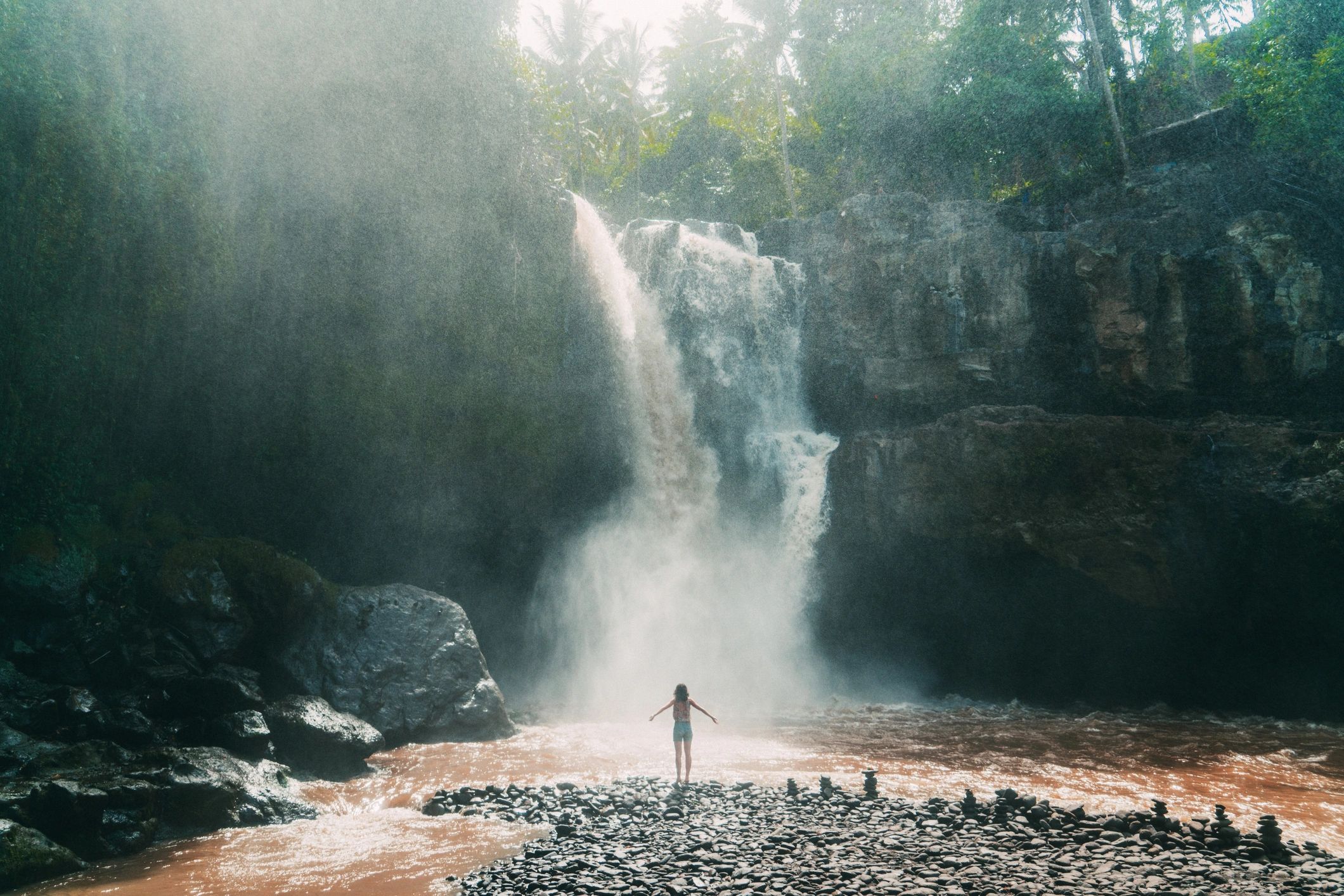
Where Jungle Meets Cascade: Discovering Indonesia’s Waterfall Wonders
Tucked within the lush embrace of Southeast Asia, Indonesia’s tropical landscape is a paradise for nature lovers and adventure seekers alike. With over 17,000 islands stretching across the equator, the archipelago boasts some of the most biodiverse ecosystems on the planet—creating ideal conditions for one of nature’s most mesmerizing displays: waterfalls. From hidden jungle cascades to towering coastal drops, Indonesia’s waterfalls are as diverse as its cultures.
The country’s volcanic terrain, frequent rainfall, and dense rainforests converge to form an unmatched network of rivers and streams that feed hundreds of stunning falls. Whether nestled in the heart of Bali’s rice terraces, concealed in Sumatra’s misty highlands, or thundering through the jungles of Sulawesi, each waterfall offers a unique glimpse into Indonesia’s wild beauty.
In this guide, you’ll explore 19 of the best waterfalls to see across the islands, complete with tips on how to visit responsibly, what gear to pack, and the best times to go. You’ll learn how elevation, accessibility, and local conservation efforts impact your experience—and how to plan around them for a seamless adventure.
Prepare to dive into crystal-clear plunge pools, hike through emerald-green canyons, and discover why Indonesia remains a top destination for eco-tourism and tropical exploration.
19 Must-See Waterfalls Across Indonesia’s Most Captivating Islands
Indonesia’s tropical climate and mountainous terrain make it a paradise for waterfall enthusiasts, with cascades tucked within rainforests, highlands, and remote villages across its vast archipelago. These natural wonders offer more than just scenic beauty—they provide refreshing swimming holes, spiritual landmarks, and cultural touchpoints for local communities. Whether you’re trekking through Sumatra’s misty highlands or chasing Bali’s sacred falls, knowing what to expect in terms of accessibility, terrain, and regional highlights can elevate your experience. Below are 19 of the most breathtaking waterfalls that showcase Indonesia’s diverse landscapes and cultural richness.
-
Tumpak Sewu Waterfall, East Java – Often compared to a “thousand waterfalls,” this tiered curtain drop along the Semeru volcano foothills is a photographer’s dream. Access involves a downhill hike with panoramic viewpoints.
-
Banyumati Waterfall, West Java – Surrounded by jungle and carved rock pools, this lesser-known fall offers serenity and natural jacuzzi-like basins perfect for cooling off.
-
Telaga Warna, Dieng Plateau – A sulfur-tinged, color-shifting lake fed by cascades, believed to hold spiritual power. Visit early to avoid fog.
-
Sipiso-Piso, North Sumatra – Plunging 120 meters from a canyon wall overlooking Lake Toba, this powerful column is best viewed from the Batak hillside.
-
Tembi Falls, Yogyakarta – Hidden within limestone hills, this multi-tiered cascade rewards climbers with quiet pools and jungle acoustics.
-
Sekumpul Waterfall, North Bali – Requires a guided descent via rice terraces, but the payoff—three powerful falls in one valley—is unmatched.
-
Gitgit Waterfall, North Bali – One of Bali’s most accessible falls, surrounded by tropical foliage and maintained paths, ideal for families.
-
Nunggu Waterfall, East Nusa Tenggara – Located near Labuan Bajo, this single-drop beauty flows into a deep blue pool, popular with local pilgrims.
-
Benang Stokel, Lombok – Known for its cool, emerald-green cascade and rainbow-prone mist, reached via a moderate forest trail.
-
Sendang Gile & Tilu, Lombok – Twin falls near Mount Rinjani; the first is wide and roaring, the second tucked deeper in the forest.
-
Tumpak Waringin, Malang – A newer discovery with a dramatic 30-meter drop and surrounding cliffs ideal for drone shots.
-
Saka Bunga, South Sumatra – Set within a conservation forest, this peaceful cascade is worshipped during local agrarian rituals.
-
Cok Cok Waterfall, Nusa Penida – A dramatic cliffside drop accessible by rugged trail, best visited in dry season for safety.
-
Tumpak Kembang, East Java – Remote and ethereal, with multiple drops amid mossy boulders, often visited by hikers en route to volcanoes.
-
Sapunere, West Papua – A towering, wide cascade near Raja Ampat, often combined with Indigenous cultural visits.
-
Batu Buli, Sulawesi – Tucked in Tana Toraja’s highlands, this fall flows beside ancestral rock carvings and sacred stones.
-
Aek Sipangolombuan, North Sumatra – Sacred to Batak communities, with warm mineral waters believed to have healing properties.
-
Tiu Kelep, Lombok – A fan-shaped triple-tiered fall with swim-friendly basins and lush canyon surroundings.
-
Curug Malela, West Java – Often called “Mini Niagara” for its wide, horizontal flow through forested hills—best after rains.
When visiting, wear non-slip footwear, respect local customs, and avoid visiting during monsoon season when trails become hazardous. Many waterfalls are part of protected areas—stay on paths to preserve ecosystems.
When and How to Safely Explore Indonesia’s Most Spectacular Waterfalls
Maximize your waterfall adventures across Indonesia with this step-by-step guide to timing, travel, gear, and safety. From the misty highlands of Bali to the remote jungles of Sulawesi, understanding regional conditions and preparation is key to a rewarding experience.
1. Determine the Ideal Season for Your Destination
Indonesia’s tropical climate features wet and dry seasons, but regional variation matters. Visit waterfalls in Bali, Lombok, or Java during the dry season (April–October) when trails are less slippery and visibility is clear. For eastern islands like Flores or Maluku, aim for May–September when rainfall is minimized. Avoid peak monsoon months (November–February) in Sumatra and Sulawesi, where flash floods can close access.
2. Plan Access to Remote Falls in Advance
Many of Indonesia’s best waterfalls require off-road transport. Arrange for local drivers with 4×4 vehicles for destinations like Gitgit in North Bali or Sekumpul in Central Lombok. For ultra-remote cascades such as Bendurga in North Sumatra, coordinate with homestays or eco-lodges offering guided trekking packages. Always confirm trail accessibility the day before—landslides or heavy rain can temporarily block paths.
3. Pack the Right Gear for Trail and Water Conditions
Bring quick-dry clothing, waterproof hiking shoes with grip, and a sealed dry bag for electronics. A lightweight microfiber towel and water shoes with ankle support are essential for slippery rocks. Consider a headlamp for waterfalls with cave systems like Tumpak Sewu’s lower tiers or Nunggu Lai in Sumba.
4. Prioritize Safety on Wet Terrain
Never climb on mossy rocks or swim directly under strong water flow—undercurrents can be powerful. Always test footing before stepping, and avoid visiting after heavy rains. Travel with a buddy, and inform locals of your plans if heading off-grid.
5. Respect Local Guidelines and Natural Preservation
Follow site rules set by village councils or park rangers. Many falls operate under community-based tourism management—entrance fees fund local conservation and infrastructure. Stay on marked trails to prevent erosion, and carry out all waste.
By combining smart timing, proper preparation, and respectful exploration, you’ll safely enjoy Indonesia’s most breathtaking waterfall experiences.
Your Top Questions About Visiting Waterfalls in Indonesia—Answered
Are Indonesian waterfalls safe for tourists?
Yes, most waterfalls in Indonesia are safe for visitors when proper precautions are taken. Stick to marked trails, follow posted warning signs, and avoid swimming in areas with strong currents or during heavy rains. Local attendants are often present at popular sites like Tumpak Sewu or Gitgit to help monitor conditions.
What’s the best way to photograph waterfalls in Indonesia?
Use a tripod for long exposures to capture smooth water flow, especially in shaded jungle areas. Early morning light reduces harsh contrast and minimizes crowds. Bring a waterproof bag to protect gear from mist and sudden tropical downpours.
Is it disrespectful to swim at certain waterfalls?
Some waterfalls, such as those near temples or in Balinese sacred zones like Tegenungan, may be used for rituals. Always observe signage and local behavior—when in doubt, ask a guide or local attendant before entering the water.
Do I need a permit to visit remote waterfalls?
Popular sites have small entrance fees, but remote falls in areas like Sulawesi or Papua may require permits or local guides due to conservation or tribal land regulations. These help fund community stewardship and ensure visitor safety.
How can I practice eco-friendly waterfall tourism?
Stay on designated paths to prevent erosion, carry out all trash, and avoid using soap or sunscreen in the water. Support villages by hiring local guides and buying handmade snacks.
What should I pack for a waterfall trek in Indonesia?
Essential items include water-resistant footwear with grip, quick-dry clothing, a microfiber towel, and a dry sack for electronics. Trekking poles help on slippery jungle trails, especially on multi-hour hikes.
Protect Paradise: How to Explore Indonesia’s Waterfalls Sustainably
Indonesia’s waterfalls—from the towering cascades of Sumatra to the hidden gems of Sumba—are natural wonders worth preserving for future generations. As you plan your journey to these breathtaking sites, remember that responsible travel isn’t just an option—it’s a responsibility. Every footprint left, bottle discarded, or local custom overlooked can have lasting impacts on fragile ecosystems and communities.
Start by respecting designated trails and barriers; they’re in place to prevent erosion and protect native flora and fauna. Avoid swimming in restricted areas, as some pools are sacred or ecologically sensitive. Always carry out what you carry in, using reusable bottles and eco-friendly toiletries to minimize microplastic runoff.
Support local economies by hiring community guides, purchasing handmade crafts, and dining at family-run warungs. These small choices empower villages that depend on sustainable tourism for livelihoods. Practice cultural sensitivity—ask permission before photographing people and dress modestly when visiting rural or religiously significant sites.
Educate yourself on regional conservation efforts and travel during shoulder seasons to reduce overtourism pressure. Opt for accommodations and tour operators with verifiable eco-practices, like waste reduction and energy efficiency.
The beauty of Indonesia’s waterfalls lies not just in their misty grandeur but in the balance between nature and culture. By traveling mindfully, you help maintain that balance. Let your journey be guided not just by adventure, but by stewardship—because the most meaningful trips leave positive ripples, not footprints.
Discover more from UnzipWorld: DIY, E-commerce, Fashion & Tech Insights
Subscribe to get the latest posts sent to your email.