
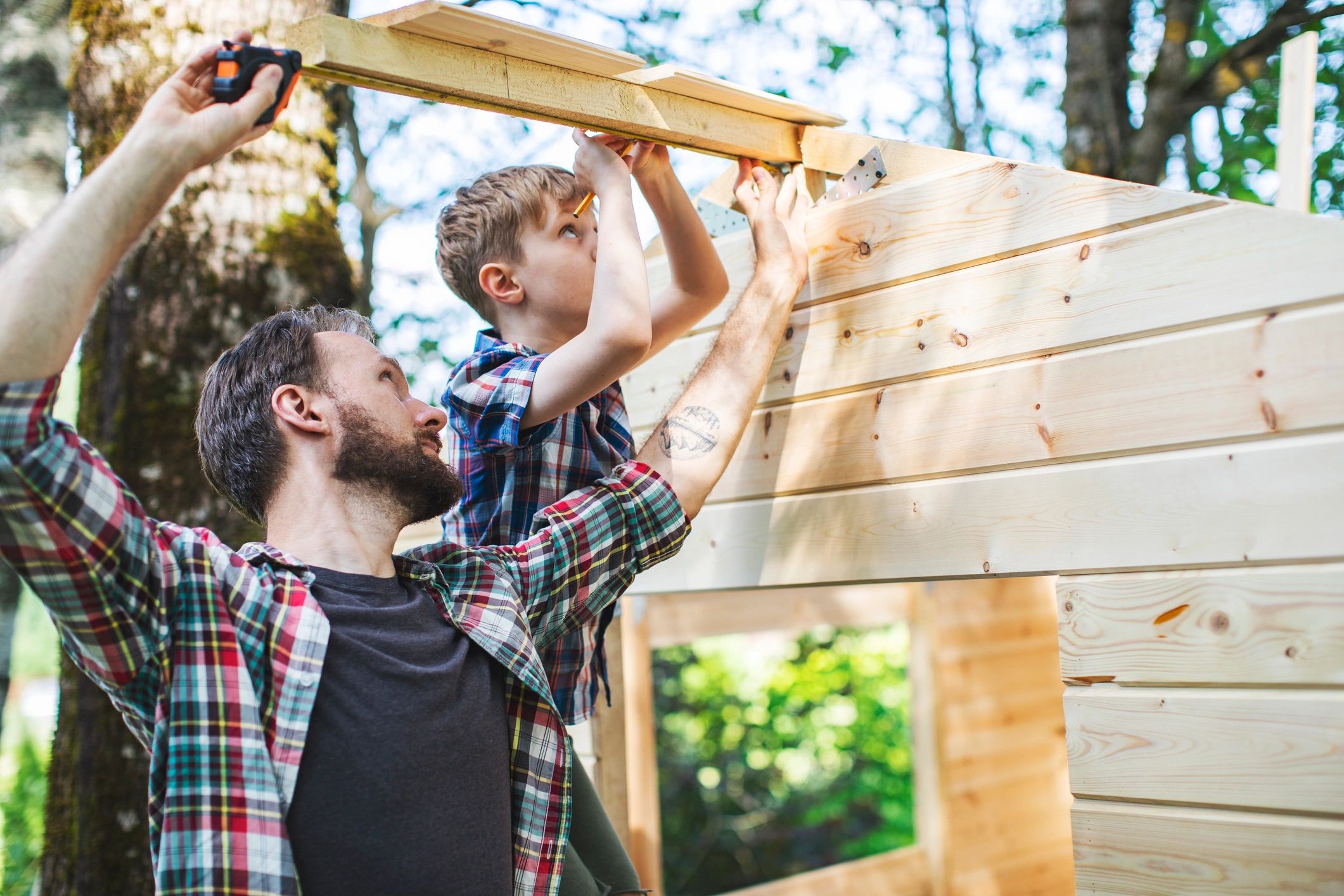
Transform Your Space Without Breaking the Bank: Smart DIY Starts Here
Home and garden improvements don’t have to come with a hefty price tag to deliver real impact. Across Punjab and regions like Jhelum, more homeowners and renters are turning to budget-friendly DIY projects to enhance their living spaces—without draining savings. These smart upgrades blend practicality with creativity, using accessible materials and straightforward techniques to achieve lasting results. Whether you’re working with a small balcony or a sprawling backyard, the right DIY approach can transform overlooked areas into functional, beautiful extensions of your home.
This guide unlocks proven strategies for completing high-value projects with minimal investment. You’ll discover how to repurpose everyday items like pallets, tires, and gutters into stylish, long-lasting features. Learn to plan efficiently, avoid costly oversights, and source materials locally to keep costs low and sustainability high. From vertical gardens to painted concrete accents, each idea is designed with real-world conditions in mind—considering climate, space limitations, and ease of maintenance.
You’ll also gain insight into essential tools, safety practices, and beginner-friendly workflows that build confidence. These aren’t just temporary fixes—they’re skill-building steps toward a more personalized, efficient home. By making thoughtful choices today, you create a space that reflects your style, meets your needs, and grows with your abilities—all on a realistic budget.
5 Creative DIY Projects to Elevate Your Home & Garden for Under $30
Transform your living and outdoor spaces with these smart, budget-conscious DIY home garden projects that deliver style and function without the high price tag. Perfect for homeowners and renters in Jhelum, Punjab, and similar climates, these ideas use affordable, locally sourced materials and basic tools you likely already own.
-
Pallet Vertical Garden for Small Yards
Reclaim a wooden pallet and turn it into a space-saving vertical garden. Sand the wood, seal it with weather-resistant varnish, and lay it flat. Line the slats with landscape fabric, then fill with potting soil and plant trailing herbs or flowering annuals. Once rooted, stand it upright against a sunny wall or fence—ideal for growing greens in compact backyards or balconies. -
Mason Jar Organizer for Garden Tools
Attach mason jar lids to the underside of a shelf or workbench using screws. Screw the jars in upside-down to store screws, nails, or small gardening tools. This clever hack keeps essentials visible and within reach while adding rustic charm to your garage or potting station. -
Repurposed Tire Garden Planters
Give old tires new life by painting them with UV-resistant exterior paint and using them as colorful garden planters. Stack two tires for height or use a single tire as a base for dwarf shrubs or seasonal blooms. These durable planters withstand Punjab’s temperature swings and can be easily moved as needed. -
DIY Pebble Pathway with Edging
Create a low-cost garden path using locally sourced pebbles or river rocks. Outline the path with reclaimed wood, bricks, or cut metal sheets to prevent spreading. Compact the soil, add landscape fabric underneath, then fill with stones for an elegant, weed-resistant walkway that enhances garden appeal. -
Hanging Gutter Herb Garden
Convert a section of aluminum or PVC gutter into a hanging herb garden. Drill drainage holes, mount it under a covered patio or near a kitchen window using brackets, fill with soil, and plant basil, mint, or cilantro. This efficient setup brings fresh flavors within arm’s reach while maximizing vertical space.
Turn Trash into Garden Treasure: Smart Recycling for Stunning Results
Transforming your garden on a budget starts with reimagining what’s already at your fingertips. Instead of discarding household items, use them as the foundation for creative, eco-friendly upgrades that enhance functionality and curb appeal—especially in regions like Punjab and Jhelum, where resourcefulness meets seasonal gardening needs. Repurposing materials isn’t just cost-effective; it’s a proven way to reduce landfill waste while building a unique outdoor space that reflects your personal style.
Start with plastic bottles—ideal for crafting self-watering planters or cloches to protect seedlings from sudden temperature shifts. Cut the bottom off, invert the top into the base, and add soil and a young plant. The reservoir system keeps roots hydrated during dry spells. Milk jugs work the same way and are perfect for starting vegetables early in the season.
Old ladders don’t belong in scrap piles—they make eye-catching vertical gardens. Lean one against a fence, place potted herbs or succulents on each rung, and enjoy a space-saving green wall. For pathways, use broken concrete slabs or cracked ceramic tiles to create mosaic stepping stones. Arrange fragments in a sand bed, grout gaps, and seal for durability.
Tin cans and glass jars also shine in the garden. Remove labels, punch drainage holes, and use them as seedling pots or stylish herb planters on patios. Not only do these projects save money, but they also promote sustainable gardening habits that thrive in both urban balconies and suburban yards.
Don’t Let Budget Constraints Lead to Costly DIY Mistakes
Launching into DIY home and garden projects on a budget can feel empowering—but without smart planning, common oversights quickly drain resources and patience. One of the most frequent errors is diving in without a detailed materials checklist, leading to multiple hardware store trips and impulse buys. To avoid this, sketch a clear project plan first: measure your space in Jhelum or Punjab accurately, list every required item (including screws, sealants, and safety gear), and research local availability to minimize delivery fees.
Another pitfall is underestimating prep work—skipping steps like leveling surfaces or testing soil drainage often results in structural failures or dying plants. Always prioritize foundational tasks before aesthetic ones. Many beginners also overlook climate-specific needs; for example, wood that warps under Punjab’s hot summers can be avoided by selecting weather-resistant or reclaimed materials.
Start small: pilot your design with a single planter or a section of fencing to test durability and appearance. This minimizes waste and helps refine your technique. Lastly, be honest about your skill level—some jobs, like installing outdoor lighting or building raised garden beds with proper runoff, demand precision. By planning thoroughly and anticipating challenges unique to your region, you’ll protect your budget and your peace of mind.
Getting Started with DIY: Your Top Questions Answered
What’s the best way to begin a DIY project if I’ve never done one before?
Start small with manageable projects like painting flower pots, assembling a basic garden trellis, or building a simple planter box. These tasks require minimal tools and allow you to practice measuring, cutting, and assembling materials. Look for beginner-friendly guides that break down each step clearly—many are designed for homeowners and renters in regions like Punjab and Jhelum, where space and resources may be limited. Finishing a small project successfully builds confidence and helps you identify which tools or techniques you might need next.
Where can I find affordable materials without sacrificing quality?
Check local salvage centers, construction sites (with permission), or online community boards for free or low-cost materials like reclaimed wood, leftover paint, or discarded furniture. Pallets, for example, can be transformed into garden beds or indoor shelves. Buying bulk fasteners, screws, or soil amendments with neighbors can reduce per-unit costs. Always inspect wood for rot and metals for rust before use.
What basic tools do I really need to get started?
Begin with a core toolkit: tape measure, hammer, screwdriver set, cordless drill, adjustable wrench, utility knife, level, and sturdy work gloves. These cover most beginner-level home and garden tasks. Prioritize durability—quality tools last longer and save money over time.
How can I work safely on DIY home and garden projects?
Wear safety goggles when cutting or drilling, gloves to prevent splinters, and a dust mask when sanding or handling soil. Keep ladders on flat, stable ground, and never overreach. Turn off water or power lines before working nearby, and always have a first-aid kit accessible.
Can I use household items for DIY projects?
Absolutely. Clean tin cans make excellent herb planters, old ladders can become vertical gardens, and mason jars are perfect for organizing seeds or small tools. Repurposing everyday items reduces waste and costs while adding unique character to your space.
Small Steps, Lasting Impact: Why Starting Simple Powers Lasting Success
DIY home and garden improvements aren’t about radical overhauls—they’re about consistent, thoughtful progress. As you’ve explored, even modest projects like recycled tire planters, painted patio stones, or reclaimed wood shelving can significantly enhance your space while building essential skills. The true value of DIY lies not just in saving money, but in growing confidence, creativity, and long-term self-reliance. Starting small allows you to learn through doing, avoid overwhelm, and refine techniques without costly mistakes. Each painted planter, mounted shelf, or upcycled garden feature strengthens your ability to tackle more complex builds down the line.
To begin, identify one manageable project that aligns with your current skillset and available tools—something achievable in a weekend. Use locally sourced or repurposed materials to reduce costs and support sustainable practices common in regions like Punjab and Jhelum. Document each step and outcome, whether in a notebook or mobile memo, so you can reflect and improve. Over time, these incremental upgrades accumulate into a more functional, personalized living environment.
Remember, every expert builder started with a single tool and idea. Share your creations with neighbors or local DIY groups for inspiration and feedback. By taking that first small step today, you’re not just improving your home—you’re investing in a more capable, resourceful version of yourself. Ready to build something meaningful? Your journey begins now.
Discover more from UnzipWorld: DIY, E-commerce, Fashion & Tech Insights
Subscribe to get the latest posts sent to your email.