
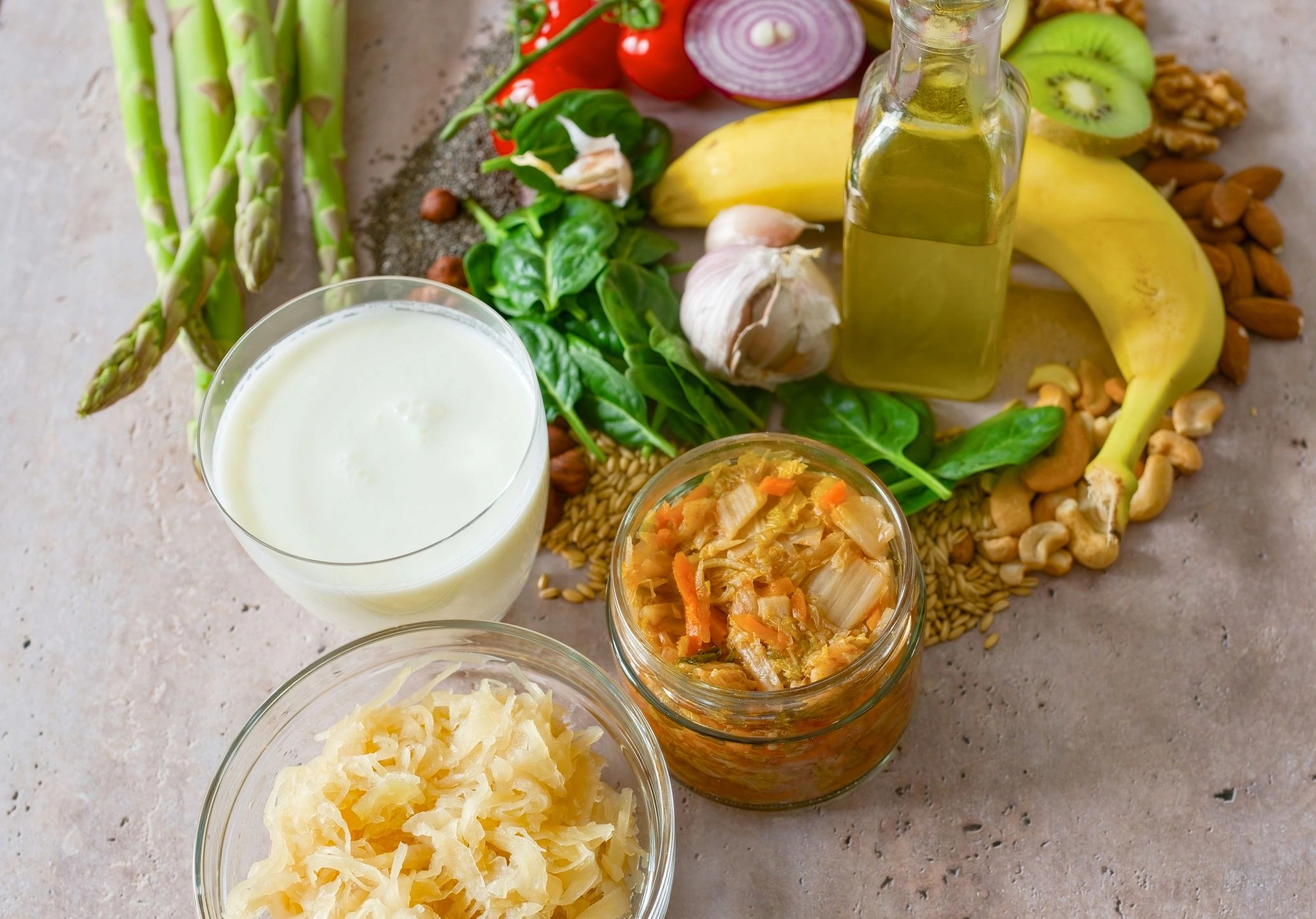
Your Gut, Your Health: Why What You Eat Matters More Than You Think
What if the key to lasting energy, mental clarity, and strong immunity wasn’t found in a pill—but on your plate? The connection between food and gut health is one of the most powerful yet underutilized tools for overall wellness. Everyday people around the world are discovering that digestive discomfort, low mood, or frequent fatigue often trace back to an imbalanced gut microbiome. This internal ecosystem—home to trillions of bacteria—plays a vital role in nutrient absorption, inflammation control, and even mood regulation through the gut-brain axis.
When your gut flora thrives, so do you. But modern diets high in processed ingredients, sugar, and artificial additives can disrupt this balance, leading to bloating, irregular digestion, and long-term health risks. The good news? Small, strategic food choices can make a significant difference. From incorporating fermented foods and fiber-rich vegetables to reducing gut irritants like refined carbs and excess alcohol, dietary changes can support microbial diversity.
In this guide, you’ll learn how to identify gut-friendly foods, understand labeling terms like probiotics and prebiotics, and build meals that nourish from the inside out—all with practical steps you can start today.
The Gut Microbiome Explained: How Food Shapes Trillions of Bacteria
Deep inside your digestive tract lies a bustling ecosystem of trillions of microorganisms—the gut microbiome—playing a critical role in digestion, immunity, and even mood regulation. What you eat directly influences which bacterial strains thrive or decline, making dietary choices a powerful tool for maintaining microbial balance. A diverse, fiber-rich diet encourages the growth of beneficial bacteria like Bifidobacteria and Lactobacillus, which support gut barrier integrity and produce short-chain fatty acids linked to reduced inflammation.
Conversely, diets high in processed foods, added sugars, and saturated fats can promote the expansion of less favorable microbes, potentially leading to dysbiosis—an imbalance tied to bloating, irregular bowel movements, and long-term health concerns. Key gut-supportive foods include prebiotic fibers found in garlic, onions, and bananas, which act as fuel for good bacteria, and fermented options like yogurt, kefir, and kimchi that introduce live beneficial cultures.
To optimize gut health, aim for a colorful, plant-forward plate with at least 30 different plant-based foods weekly—including fruits, vegetables, whole grains, legumes, nuts, and seeds. Staying hydrated and managing stress also support healthy motility and microbial diversity. Small, consistent changes in eating habits can lead to meaningful improvements in gut resilience and overall well-being.
Top 5 Science-Backed Foods That Transform Gut Health
A thriving gut is the cornerstone of overall wellness, influencing everything from nutrient absorption to immune resilience and even mood regulation. No matter where you’re located, integrating these powerful, research-supported foods into your daily routine can make a real difference in digestive comfort and long-term gut balance.
-
Fermented Yogurt with Live Cultures
This probiotic powerhouse delivers beneficial bacteria like Lactobacillus and Bifidobacterium directly to your digestive tract. Opt for unsweetened, natural yogurt to avoid added sugars that feed harmful microbes. Regular consumption helps maintain microbial diversity, supports intestinal barrier integrity, and reduces bloating. -
Sauerkraut and Other Fermented Vegetables
Beyond just a tangy condiment, raw sauerkraut is rich in lactic acid bacteria that enhance gut flora. Make sure it’s unpasteurized—heat kills live cultures. Pair a spoonful with meals to stimulate digestive enzymes and promote smoother transit. -
Prebiotic-Rich Garlic and Onions
These culinary staples fuel good bacteria with prebiotic fiber like inulin and fructooligosaccharides. Consuming them regularly helps create a favorable environment for probiotics to flourish, reducing inflammation and supporting immune modulation. -
Whole Oats for Soluble Fiber
Oats offer beta-glucan, a soluble fiber that forms a gel-like substance in the gut, slowing digestion and feeding beneficial microbes. This supports steady energy, lowers cholesterol, and improves stool consistency. -
Bananas (Especially Slightly Green Ones)
Packed with resistant starch and pectin, bananas aid bowel regularity and reduce irritation in the gut lining. Their natural sweetness makes them an easy addition to smoothies or morning meals.
How Poor Diet Choices Disrupt Digestive Harmony
Poor dietary choices are a leading contributor to common digestive issues like bloating, constipation, acid reflux, and irritable bowel syndrome (IBS). Many individuals unknowingly fuel these conditions with processed foods, excess sugar, and low fiber intake. The gut thrives on balance, and when nutrition falls short, the digestive system quickly signals distress.
A fiber-rich diet is foundational for regularity and microbiome health. Soluble fiber from oats, legumes, and vegetables feeds beneficial gut bacteria, while insoluble fiber from whole grains supports bowel motility. Hydration amplifies these effects, especially in warmer climates where fluid loss can exacerbate constipation. Reducing intake of fried and heavily spiced foods—common in many traditional diets—can also lessen acid reflux and bloating.
Probiotic-rich foods like yogurt and fermented vegetables introduce helpful bacteria, enhancing gut resilience. Conversely, frequent consumption of sugary drinks and processed snacks promotes dysbiosis—an imbalance linked to inflammation and discomfort.
Practical steps include:
- Prioritizing whole, unprocessed foods at every meal
- Incorporating diverse plant-based foods to boost microbiome variety
- Limiting trigger foods such as fried items and carbonated beverages
- Eating at consistent times to support natural digestive rhythms
Small, sustainable shifts in daily eating habits can significantly improve gut function and overall well-being.
Your Gut Health Questions, Answered: Probiotics, Fiber, and the Mind-Gut Connection
What are probiotics, and do I really need them for gut health?
Probiotics are live beneficial bacteria that help maintain a balanced gut microbiome. They’re found in fermented foods like yogurt, kefir, kimchi, and sauerkraut, as well as in supplements. While not everyone needs a supplement, incorporating probiotic-rich foods can support digestion, enhance nutrient absorption, and help crowd out harmful bacteria—especially after antibiotic use or during periods of digestive upset.
How much fiber should I be eating daily for optimal gut function?
Most adults should aim for 25–35 grams of fiber per day, but many fall short. Fiber feeds your gut microbiota, producing short-chain fatty acids that reduce inflammation and strengthen the gut lining. Include a mix of soluble fiber (found in oats, apples, and beans) and insoluble fiber (from whole grains and vegetables) to keep digestion regular and your microbiome thriving.
Can food really affect my mood through the gut-brain axis?
Yes—your gut and brain communicate via the gut-brain axis, a complex network linking the central nervous system with the enteric nervous system of the gut. Certain gut bacteria produce neurotransmitters like serotonin and GABA, which influence mood and stress response. Diets high in processed foods can disrupt this balance, while whole foods—especially those rich in fiber, omega-3s, and polyphenols—support both gut and mental wellness.
Are prebiotics different from probiotics?
Absolutely. Probiotics are the live bacteria themselves, while prebiotics are non-digestible fibers that feed those bacteria. Think of prebiotics as fertilizer for your gut garden. Foods like garlic, onions, bananas, and asparagus are excellent sources. Pairing prebiotics with probiotics—like having bananas with yogurt—creates a synergistic effect known as a synbiotic, enhancing microbial balance.
What signs suggest my diet is affecting my gut health?
Common red flags include bloating, gas, constipation, or diarrhea after meals, as well as food intolerances that seem to develop suddenly. Skin issues, low energy, and even mood swings can also point to gut imbalances. Keeping a simple food and symptom journal can help identify triggers and guide dietary adjustments.
How quickly can diet changes improve gut health?
Many people notice improvements in digestion and energy within 2–4 weeks of consistent changes. Increasing fiber, reducing ultra-processed foods, and adding fermented options can shift the microbiome rapidly. For lasting results, focus on sustainable habits rather than short-term fixes.
Building Lasting Wellness: Your Everyday Guide to a Healthier Gut
Achieving optimal gut health isn’t about quick fixes or restrictive fads—it’s about consistent, mindful choices that support your digestive ecosystem long-term. Throughout this guide, we’ve explored how gut microbiota influence everything from nutrient absorption to immune function and even mood regulation. Key takeaways include the critical role of dietary fiber, the power of fermented foods in boosting probiotic diversity, and the damaging impact of ultra-processed foods and chronic stress on gut integrity.
To put this knowledge into action, start with simple, sustainable steps:
- Prioritize whole, plant-rich foods—aim for 30+ different plant types weekly, including fruits, vegetables, legumes, nuts, and whole grains
- Incorporate fermented options daily, such as yogurt, kefir, or traditionally prepared pickles, to support microbial balance
- Stay hydrated and manage stress through breathwork or movement, as both water intake and cortisol levels directly affect digestion
- Limit added sugars and processed snacks, especially those common in modern diets
Your gut responds to patterns, not perfection. Small shifts—like choosing brown rice over white or adding a side of sauerkraut—can yield significant benefits over time. Focus on accessible, natural foods that support digestive wellness no matter where you are.
If digestive discomfort persists, consider consulting a nutrition professional who understands gut health. You’re not just eating to satisfy hunger—you’re nurturing a complex system that shapes your overall well-being. Start today, stay consistent, and let your gut be your guide.
Discover more from UnzipWorld: DIY, E-commerce, Fashion & Tech Insights
Subscribe to get the latest posts sent to your email.