
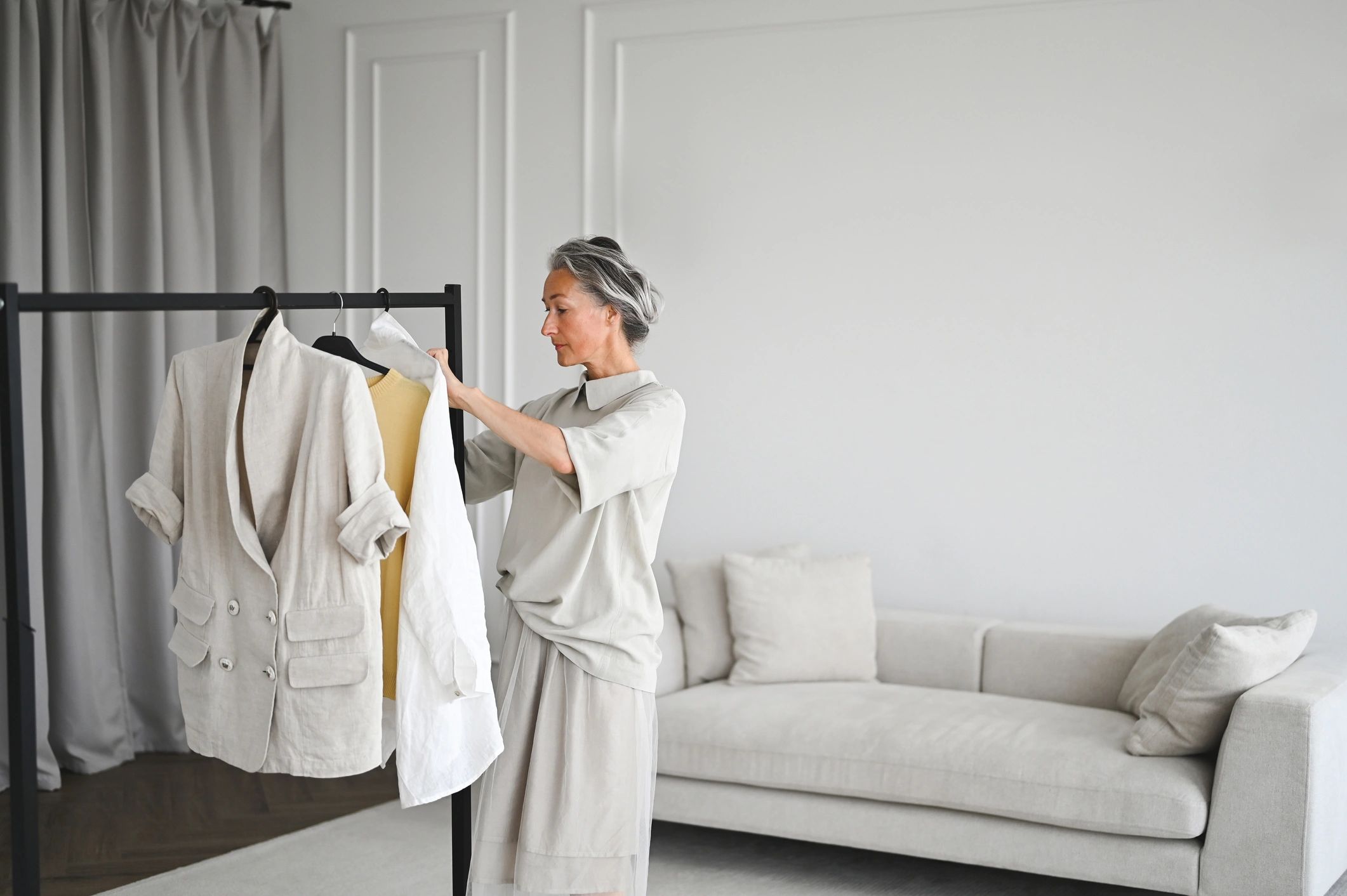
Reimagine Your Routine: The Smart Way to Dress with Less
Tired of staring into a full closet and still feeling like you have nothing to wear? You’re not alone. Millions of people struggle with decision fatigue, closet clutter, and overspending on clothes they rarely wear. The solution lies in a proven concept gaining momentum across urban and semi-urban lifestyles: the capsule wardrobe. More than a minimalist trend, a capsule wardrobe is a curated collection of essential, interchangeable pieces designed to maximize versatility while minimizing excess.
At its core, building a capsule wardrobe means selecting fewer, high-quality garments that align with your personal style, daily activities, and local climate—whether you’re navigating the bustling streets of Lahore or the quieter neighborhoods of Jhelum. By thoughtfully combining timeless basics with strategic seasonal accents, you can streamline your mornings, reduce fashion-related stress, and make getting dressed effortless.
In this guide, you’ll learn how a capsule approach simplifies decision-making, cuts down on clothing expenses, and supports sustainable habits—all while helping you look polished and confident every day. Discover how dressing with intention isn’t about restriction—it’s about freedom.
7 Timeless Pieces to Build a Capsule Wardrobe That Works Year-Round
A well-curated capsule wardrobe simplifies daily dressing while maximizing outfit combinations—no matter your location, lifestyle, or schedule. By selecting pieces that are inherently versatile, seasonless, and coordinated, you reduce decision fatigue and eliminate closet clutter. Here are seven essential items every capsule should include, chosen for their adaptability across occasions and climates—from urban settings like Jhelum to cosmopolitan hubs like Lahore.
Classic White Button-Down Shirt
A crisp, tailored white shirt transcends trends and functions as a cornerstone piece. Pair it with tailored trousers for a polished work look, layer under a sweater for smart-casual appeal, or tie it at the waist over jeans for a relaxed weekend vibe. Opt for breathable cotton or linen blends to suit Punjab’s warmer months.Dark Wash Straight-Leg Jeans
Choose a universally flattering cut that transitions from errands to evening drinks with ease. Dark denim resists fading and pairs seamlessly with everything—from bold prints to neutral knits—making it ideal for creating cohesive, location-agnostic outfits.Neutral Trench Coat or Lightweight Blazer
A tailored topper in beige, navy, or charcoal elevates any ensemble. This layer adds structure and weather resistance, perfect for Jhelum’s seasonal shifts or rainy days in Lahore. Wear it open over a dress or buttoned with slim pants for professional polish.Versatile Midi Dress
Select a solid-colored or subtly patterned dress in a wrinkle-resistant fabric. A pull-on style with sleeves works for everything from daytime events to dinners, especially when accessorized differently across cities and social settings.Tailored Trousers in a Neutral Hue
Opt for a pair in black, grey, or taupe that flatters your silhouette. These bridge formal and casual wear, especially when paired with a tee and sneakers or a blouse and heels—ideal for business meetings or cultural outings.Comfortable Flat Loafers or Ankle Boots
Footwear should balance style and wearability. A pair of leather loafers or low-heeled ankle boots in a neutral tone can be worn daily and travel easily. They anchor outfits without sacrificing comfort during walks through bazaars or long commutes.Cashmere or Cotton Blend Sweater
Choose a mid-weight sweater in a core color like camel, black, or oatmeal. Layer over collared shirts or wear solo with jeans—it’s a go-to for cooler evenings and indoor climate control in malls or offices across Punjab.
These foundational items work together harmoniously, minimizing excess while maximizing mix-and-match potential. Focus on fit, fabric, and color cohesion to build a capsule that feels effortless, no matter where you’re headed.
Master Your Color Palette: A Step-by-Step Guide to Mix-and-Match Wardrobe Success
Building a capsule wardrobe starts with choosing a cohesive color story that maximizes compatibility across every piece. Follow these steps to create a versatile, effortlessly coordinated collection.
Start with a Neutral Base
Select 2–3 core neutrals like charcoal, beige, or navy that make up 60% of your wardrobe. These shades act as anchors, pairing easily with almost any other color and forming the foundation for polished, put-together looks in cities like Lahore or Jhelum where style meets function.Add Complementary Accent Colors
Choose 2–3 accent hues from the same family—such as sage green and rust or blush and terracotta. These should blend naturally with your neutrals and allow for interchangeable layering, whether you’re dressing for a casual day out or a semi-formal event.Incorporate One Statement Shade
Include a single bold tone—like deep burgundy or cobalt blue—that complements your base palette. Use it sparingly in tops, scarves, or shoes to elevate neutral outfits while keeping coordination simple.Limit Bold Patterns
Opt for subtle patterns—pinstripes, houndstooth, or small geometrics—in colors already in your palette. Avoid loud or multicolored prints that reduce pairing options.Test Before You Buy
Hold new items against three existing pieces to ensure they blend well. If it doesn’t mix seamlessly, reconsider—even if the fit is perfect.
Pro Tip: Use a digital mood board or physical swatch kit to visualize combinations and maintain consistency across seasons.
Align Your Wardrobe with Your Daily Life and Local Climate
Choosing the right pieces for a capsule wardrobe starts with understanding your lifestyle and the climate where you live. A well-curated capsule isn’t about owning fewer items—it’s about owning the right items that support your routine, from work commutes in Jhelum to weekend outings in Lahore. Begin by mapping out your weekly activities: do you spend most days in casual settings, formal workplaces, or a mix of both? This clarity helps prioritize versatile pieces like a tailored blazer that layers over a tee or a breathable cotton shirt that works for both office and evening wear.
Next, factor in your local weather patterns. If you’re in Punjab, where summers are hot and winters mild to cool, opt for lightweight fabrics like cotton and linen for summer, and add mid-weight knits like merino wool for winter layering. Avoid trendy pieces that don’t suit your climate—like heavy parkas in Lahore’s short winter season.
Consider layering strategies. A single lightweight jacket or cardigan can extend the wear of multiple outfits across seasons. Footwear should reflect terrain and frequency: durable loafers for city walks, or breathable sandals for warmer days.
- Assess your weekly routine: work, errands, social events
- Choose fabrics suited to local temperature and humidity
- Prioritize layering pieces that adapt to seasonal shifts
- Select footwear based on daily movement and terrain
By aligning your wardrobe with real-life needs and regional climate, your capsule becomes functional, sustainable, and effortlessly stylish.
Declutter Your Closet & Discover What’s Missing
Before building a capsule wardrobe, you must first clear the clutter and assess what you truly need. Start by removing every item from your closet and sorting them into three categories: keep, donate/sell, and unsure. Be ruthless—ask yourself if each piece fits well, makes you feel confident, and aligns with your daily lifestyle in cities like Jhelum or Lahore, where climate and culture influence wearability. Seasonal rotation helps too; store off-season clothes to create mental and physical space.
Once decluttered, audit your remaining wardrobe by category: tops, bottoms, outerwear, dresses, and shoes. Identify frequent-use items versus neglected ones. Are your neutral basics lacking? Do you have too many occasion-specific outfits but not enough workwear or casual staples? Look for style gaps and functional gaps—perhaps you’re missing a versatile blazer, a pair of dark-wash jeans, or weather-appropriate layers for Punjab’s changing seasons.
Next, map your wardrobe against your lifestyle needs. If you commute daily or attend regular client meetings, prioritize wrinkle-resistant, mix-and-match pieces. Use a simple checklist:
- 5–7 core tops that pair with multiple bottoms
- 2–3 neutral outerwear options
- 1–2 pairs of comfortable walking shoes
- A signature piece that reflects your personality
This gap analysis ensures your capsule is both practical and reflective of your identity—laying the foundation for a minimalist, high-utility wardrobe.
Frequently Asked Questions About Building and Maintaining a Capsule Wardrobe
How do I start building a capsule wardrobe if I already have a full closet?
Begin by editing your current wardrobe—remove items that no longer fit, suit your lifestyle, or align with your personal style. Sort the remaining pieces into categories (tops, bottoms, layers, etc.) and identify gaps. A strong capsule wardrobe centers on versatility, so focus on foundational pieces in neutral tones that can be mixed and matched. Prioritize fabric quality and fit to ensure longevity and comfort across seasons.
Can a capsule wardrobe work year-round in climates like Punjab?
Absolutely. In regions with distinct seasonal shifts, create seasonal capsule extensions. Keep a core of versatile, climate-neutral pieces—like cotton button-downs or lightweight knits—and layer with seasonal items such as linen for summer or wool blends for winter. This approach maintains consistency while adapting to temperature and cultural dressing norms.
How many pieces should a capsule wardrobe include?
Most effective capsule wardrobes range from 30 to 50 pieces, including clothing and outerwear (excluding underwear and workout gear). The goal is balance: enough variety to feel stylish without excess. Adjust based on your work environment, social routine, and local weather in cities like Jhelum or Lahore.
How do I incorporate trends without breaking the minimalist concept?
Integrate trends through accessories or one or two statement pieces per season. This keeps your look fresh without compromising cohesion. Choose trend-driven items in colors or cuts that complement your core palette.
What’s the best way to transition between seasons?
Rotate your wardrobe gradually. Store off-season items properly to preserve fabric integrity. As you swap pieces, reassess what still fits your aesthetic and lifestyle. This seasonal review prevents accumulation and reinforces intentionality.
How can I maintain my personal style while minimizing choices?
Define your style DNA by identifying recurring patterns in your favorite outfits—colors, silhouettes, fabrics. Use this as a filter when adding new items. A capsule wardrobe isn’t about restriction; it’s about clarity and confidence in daily dressing.
The Lasting Value of Intentional Wardrobe Choices
Building a capsule wardrobe isn’t just about owning fewer clothes—it’s a shift toward more thoughtful, sustainable fashion decisions. By curating a collection of versatile, high-quality pieces that align with your lifestyle and personal style, you reduce decision fatigue, streamline daily routines, and eliminate the frustration of a cluttered closet filled with items you rarely wear. This intentional approach prioritizes fit, fabric, and function, leading to longer-lasting garments that support both personal satisfaction and environmental responsibility.
Key benefits include simplified morning choices, reduced impulse buying, and greater confidence in your everyday look. Whether you’re navigating workdays in Jhelum or weekend outings in Lahore, a well-designed capsule adapts seamlessly across occasions and seasons. To get started, audit your current wardrobe to identify true staples, donate items that no longer serve you, and invest in timeless additions that complement your core pieces.
Visit your website to explore styling guides and seasonal planning templates designed to help you build a wardrobe that works harder so you don’t have to. With small, consistent steps, you can create a clothing system that supports long-term satisfaction—one thoughtful outfit at a time.
Discover more from UnzipWorld: DIY, E-commerce, Fashion & Tech Insights
Subscribe to get the latest posts sent to your email.