
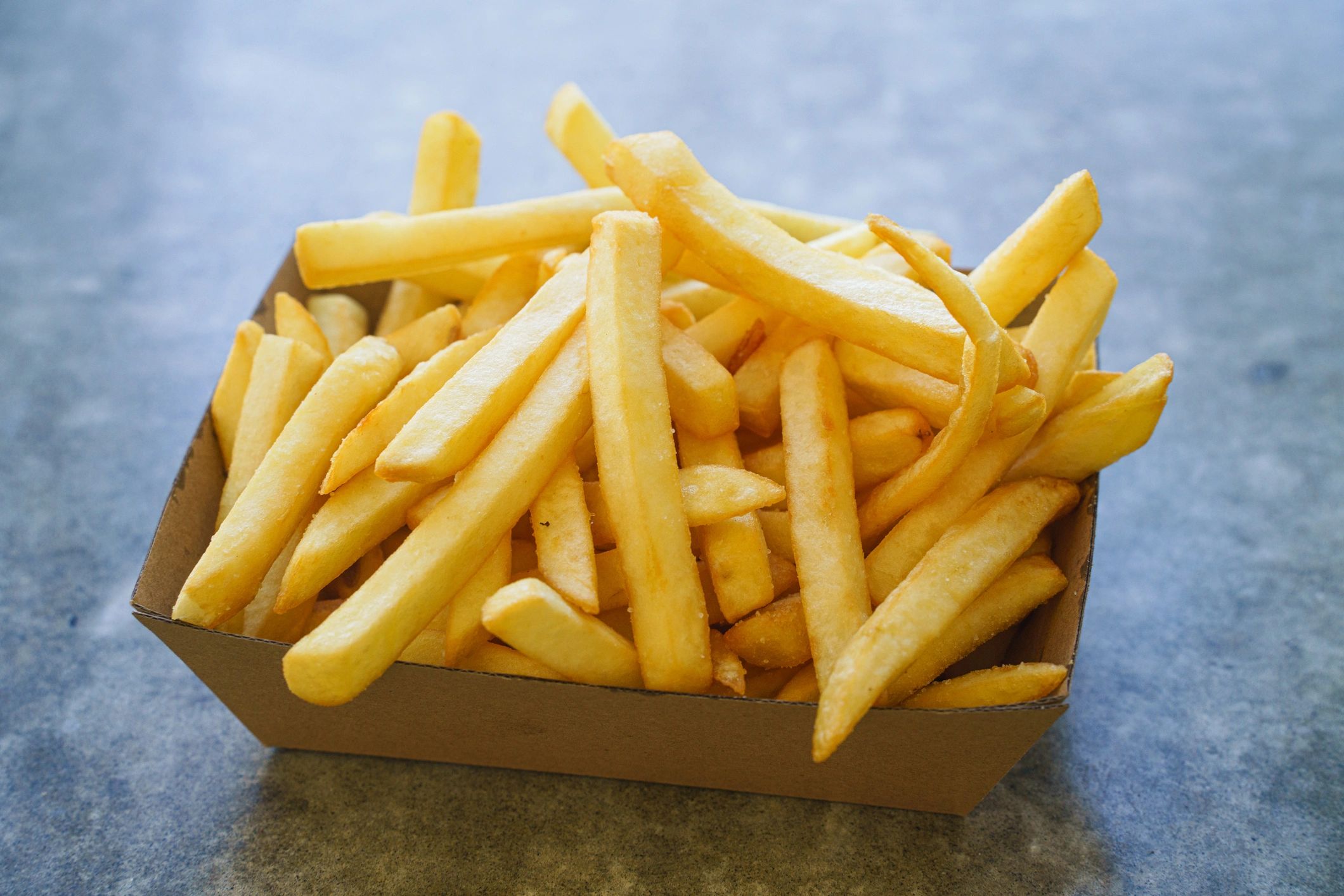
Crispy, Golden Fries—No Deep Fryer Needed
Craving that perfect crunch of golden, savory french fries but want to skip the deep fryer? You’re not alone—home cooks around the world are discovering that achieving crispy, restaurant-quality fries is possible with everyday kitchen tools and smarter cooking techniques. The best part? You can cut excess oil by up to half, making your favorite snack a lighter, guilt-free option without sacrificing flavor or texture.
In this guide, you’ll learn how to transform simple potatoes into crispy delights using methods like baking, air frying, and pan-searing—yes, real crispiness without submerging them in oil. We’ll cover the science behind crispiness, from moisture removal to starch manipulation, and why low-moisture potato varieties like Russets yield the best results. You’ll also discover key prep steps such as proper cutting, soaking, and drying that make all the difference in achieving that golden exterior.
Whether you’re cooking in a compact kitchen or a spacious home setup, this approach saves time, reduces mess, and promotes healthier eating—all while delivering the taste and crunch you love.
What You’ll Need: Equipment and Ingredients for Homemade Crispy Fries
Achieving golden, crispy french fries at home without a deep fryer starts with the right foundation: quality ingredients and essential kitchen tools. The key lies in selecting high-starch potatoes like Russets, which offer the ideal balance of low moisture and high starch for maximum crispness. Always aim for uniform cuts—about 1/4 to 1/2 inch thick—to ensure even cooking. A sharp chef’s knife and cutting board are must-haves, but for consistent results, consider a mandoline or fry cutter.
Soaking the cut potatoes in cold water for at least 30 minutes removes excess surface starch, preventing sogginess and promoting crunch. After soaking, thoroughly dry them with a clean kitchen towel—moisture is the enemy of crisp texture. For cooking, a heavy-duty rimmed baking sheet or cast-iron skillet works best when using the oven- or pan-fry method. Parchment paper or a light coating of high-smoke-point oil (like canola or avocado oil) ensures even browning.
Success comes from simple techniques: proper prep, the right tools, and attention to detail. With these essentials, you’re well on your way to restaurant-quality fries—no deep fryer required.
Master the Prep: How to Cut, Soak, and Dry Potatoes for Perfect Crispy Fries
Achieving crispy, golden French fries at home starts long before the oven or air fryer turns on—it begins with proper prep. The secret lies in three key steps: cutting, soaking, and drying. Get each right, and you’ll skip the soggy or uneven results too common with homemade fries.
1. Cut with Consistency
Use a sharp chef’s knife to slice potatoes into ¼- to ½-inch thick sticks. Uniform sizing is critical—this ensures even cooking. Irregular pieces lead to some fries burning while others stay undercooked. Work steadily and aim for straight, even cuts.
2. Soak to Remove Excess Starch
Place cut potatoes in a large bowl of cold water and soak for at least 30 minutes—up to 2 hours for even better results. Soaking pulls out surface starch, which prevents browning and causes fries to stick together. For a quick option, rinse under cold water until the water runs clear.
3. Dry Thoroughly Before Cooking
After soaking, drain and spread the potatoes on clean kitchen towels. Pat them completely dry—moisture is the enemy of crispiness. Let them air-dry for 10–15 minutes if needed. Skipping this step risks steaming instead of crisping.
Pro tip: In humid climates, consider double-drying with a paper towel before cooking for maximum crisp.
Mastering the Oven-Bake: Crispy Fries Without a Deep Fryer
Achieving golden, crunchy French fries at home is entirely possible—even without a deep fryer. The oven-baking method delivers satisfying crispiness using minimal oil, making it a healthier, mess-free alternative perfect for home kitchens worldwide.
Choose the Right Potato
Russet or King Edward varieties work best due to their high starch and low moisture content. Cut them into even 1/4-inch strips to ensure uniform cooking.Soak to Remove Excess Starch
Submerge cut potatoes in cold water for at least 30 minutes (or up to 2 hours). This step is crucial—it prevents sticking and enhances crispiness by removing surface starch.Dry Thoroughly
Pat the fries completely dry with a clean towel. Any remaining moisture will steam instead of crisp during baking.Coat Lightly with Oil
Toss fries with 1–2 teaspoons of high-smoke-point oil (like canola or sunflower). Add a pinch of salt and optional seasonings such as paprika or garlic powder.Bake on a Preheated Sheet
Use a preheated baking tray or cast-iron skillet for added crunch. Arrange fries in a single layer without crowding. Bake at 425°F (220°C) for 20 minutes, flip, then bake another 15–20 minutes until golden and crisp.
Pro Tip: For extra crunch, finish under the broiler for 1–2 minutes—watch closely to avoid burning. Serve immediately for that fresh-from-the-restaurant texture.
Crispy Fries Without the Fryer: Air Fryer vs. Pan-Fry Methods
Achieving crispy, golden French fries at home without a deep fryer is easier than ever—thanks to two popular alternatives: air frying and pan-frying. Each method delivers distinct textures and fits different kitchen lifestyles, making it essential to choose the right approach based on your needs.
Air frying uses rapid convection heat to crisp fries with minimal oil, making it a healthier, mess-free option. It’s ideal for busy households where quick cleanup and efficiency matter.
Pros:
- Cooks evenly in under 20 minutes
- Requires only 1–2 tablespoons of oil
- Automatically achieves a crunchy exterior
Pan-frying, on the other hand, uses moderate oil in a heavy skillet and offers more control over browning. This method is perfect for those who crave the traditional fry-shop texture and are comfortable managing stovetop heat.
Pros:
- Delivers deeper browning and a richer mouthfeel
- Adaptable to cast iron or non-stick surfaces
- Allows batch customization with different seasonings
For best results, always dry potatoes thoroughly and preheat your cooking surface—whether basket or skillet. While air frying wins for convenience, pan-frying stands out for authentic crispiness. Choose based on your time, texture preference, and cleanup tolerance.
FAQs: Perfecting Your Homemade French Fries Without a Deep Fryer
What type of potatoes work best for crispy oven-baked fries?
Russet potatoes are the gold standard for homemade fries due to their high starch content and low moisture. This combination delivers a fluffy interior and crisp exterior when baked. Yukon Golds can also work well if you prefer a slightly creamier texture, but they may not achieve the same level of crunch in a standard home oven.
Why do my oven fries always turn out soggy?
Sogginess usually stems from excess moisture and inadequate heat circulation. Always dry the cut potatoes thoroughly after rinsing off the starch. Arrange them in a single layer on a wire rack set over a baking sheet to promote airflow. Crowding the pan traps steam, leading to limp results.
Can I skip the soaking step when making fries?
Soaking removes surface starch, which helps prevent fries from sticking together and encourages crispness. Skip this, and you risk uneven browning and a gummy texture. A 30-minute cold water soak is ideal—just be sure to pat them completely dry before oiling.
What’s the best oil for high-heat baking?
Use oils with high smoke points, such as avocado, canola, or refined peanut oil. These withstand oven temperatures above 425°F without breaking down, ensuring golden, crunchy fries without bitterness.
How do I get restaurant-style crispiness at home?
Preheat your baking sheet or stone, use a convection setting if available, and flip the fries halfway through. For maximum crunch, finish under the broiler for 1–2 minutes—just watch closely to avoid burning.
Make the Most of Your Homemade Crispy Fries
You’ve got the techniques down—now it’s time to make your fries truly your own. The beauty of crafting crispy French fries at home without a deep fryer lies in the freedom to experiment safely and creatively. By using trusted methods like baking or air frying, you maintain control over ingredients, cooking temperatures, and texture, all while cutting back on excess oil without sacrificing that golden crunch.
Start by reviewing key factors: proper slicing for even cooking, thorough drying of potatoes to maximize crispiness, and preheating your chosen appliance for optimal heat transfer. But don’t stop at perfection—elevate your batch with gourmet seasonings like smoked paprika, garlic powder, or truffle salt right after cooking. For dipping, mix mayo with roasted garlic for a rich aioli, or blend tangy yogurt-based sauces.
Try one new seasoning blend or dip per week to discover flavor profiles and build confidence in flavor pairing. Document what works best on your website or in a simple kitchen journal. Share your favorite creations with family or friends—they might just become household staples. Ready to level up? Explore more recipe variations and join the home cooking movement today.
Discover more from UnzipWorld: DIY, E-commerce, Fashion & Tech Insights
Subscribe to get the latest posts sent to your email.