
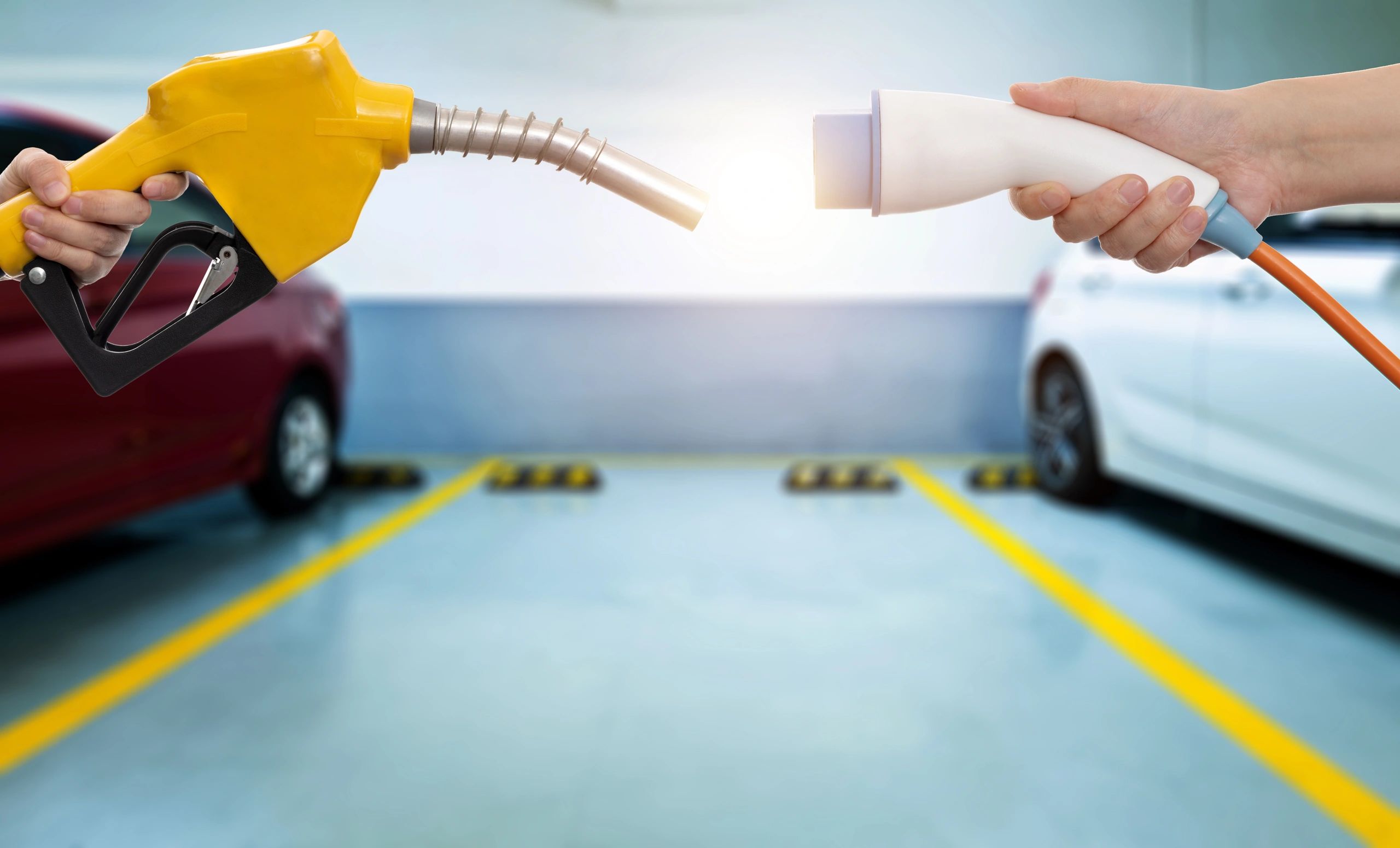
The Road Ahead: Making the Right Choice Between Electric and Petrol
Every driver today faces a pivotal decision: stick with the familiar petrol engine or make the switch to electric. With evolving emissions regulations, rising fuel costs, and expanding charging networks, the balance between electric and petrol cars is shifting faster than ever. In cities across the globe—from urban centers in Europe to suburban neighborhoods in North America—drivers are re-evaluating what matters most: long-term savings, environmental impact, or refueling convenience.
This choice isn’t one-size-fits-all. For some, the quiet efficiency and low running costs of an electric vehicle (EV) are a perfect match. For others, especially those in rural areas or with irregular access to charging infrastructure, petrol still offers unmatched flexibility. Range anxiety, charging time, upfront cost, and battery longevity are all real concerns that influence this decision.
In this guide, you’ll explore the key factors shaping the electric vs petrol debate. We’ll break down total cost of ownership, performance differences, maintenance demands, and how your local driving habits—whether daily commutes in Jhelum or long-haul trips across Punjab—impact what makes the most sense for your lifestyle. You’ll also learn how to assess charging availability, understand battery warranties, and determine which vehicle type aligns with your budget and values—giving you the confidence to choose wisely.
The Environmental Edge: How Electric and Petrol Cars Stack Up
Choosing between electric and petrol vehicles isn’t just about performance or price—it’s a decision with lasting environmental consequences. Understanding the full ecological footprint of each option helps drivers make informed, sustainable choices aligned with long-term planetary health.
Emissions: Beyond the Tailpipe
Petrol cars emit carbon dioxide (CO₂), nitrogen oxides (NOx), and particulate matter directly from the exhaust, contributing to air pollution and respiratory issues—especially in densely populated urban areas. In contrast, electric vehicles (EVs) produce zero tailpipe emissions, significantly reducing local air pollution and improving urban air quality.
However, the overall environmental impact depends on the energy source. In regions where electricity relies heavily on coal or natural gas, the upstream emissions from power generation can diminish an EV’s advantage. Yet, as grids incorporate more wind, solar, and hydro power—trends accelerating across North America, Europe, and parts of Asia—the carbon intensity of EV charging continues to decline.
Long-Term Sustainability
EVs align better with renewable energy integration and smart grid technologies. Regenerative braking, higher energy efficiency, and lower maintenance needs further reduce their lifecycle impact. While battery production raises concerns about mining and recycling, advancements in lithium-ion recovery and second-life battery applications are enhancing sustainability.
Petrol vehicles, reliant on finite fossil fuels, face growing regulatory pressure and infrastructure phase-outs in cities aiming for net-zero emissions by 2050.
Ultimately, in most regions, electric vehicles offer a cleaner, more sustainable path forward, especially when charged using renewable sources. For eco-conscious drivers, pairing an EV with home solar or green energy plans maximizes environmental benefits.
Breaking Down the True Cost: Electric vs Petrol Cars in Today’s Market
When choosing between electric and petrol vehicles, total cost of ownership matters far more than the initial price tag. While electric vehicles (EVs) often carry a higher purchase price, long-term savings can shift the balance in their favor—especially in urban areas where stop-and-go driving maximizes EV efficiency. Petrol cars typically have a lower upfront cost, making them appealing for budget-conscious buyers, but ongoing fuel and maintenance expenses add up over time.
Charging an EV at home is generally cheaper than refueling a petrol tank, particularly with off-peak electricity rates. Drivers with access to public charging networks or workplace stations can further reduce costs. In contrast, petrol prices fluctuate more dramatically and vary widely across regions, impacting monthly budgets more unpredictably.
Maintenance is another key differentiator. EVs have fewer moving parts—no oil changes, exhaust systems, or timing belts—leading to lower servicing costs. Regenerative braking also reduces wear on brake pads. Petrol engines require regular fluid changes, filter replacements, and emissions system checks, all contributing to higher lifetime upkeep.
Government incentives, such as tax credits or rebates, can significantly reduce the effective price of an EV. Some cities also offer perks like reduced registration fees, HOV lane access, or discounted parking, improving cost efficiency for local drivers. Always evaluate available incentives in your area when comparing ownership models.
Performance Face-Off: How Electric and Petrol Cars Stack Up on the Road
When choosing between electric and petrol vehicles, performance is a key deciding factor—especially for drivers who value responsiveness, range, and real-world usability. While both powertrains have evolved significantly, they deliver very different driving dynamics and convenience factors. Understanding these distinctions helps align your choice with how you actually use your car day-to-day.
Acceleration & Driving Response
Electric vehicles (EVs) shine in instant torque delivery—there’s no lag between pressing the accelerator and the wheels responding. This results in quicker 0–60 mph times, especially in lower speed ranges common in city driving. Petrol cars rely on engine revs and gear shifts, which can introduce slight delays, though high-performance models still offer thrilling power delivery.
Driving Range & Charging vs. Refueling
Petrol cars typically offer longer total range on a full tank and can refuel in under five minutes—ideal for long-distance trips, particularly in rural areas where charging infrastructure may be sparse. Most modern EVs now provide 200–350 miles per charge, sufficient for daily use, but recharging takes longer. Fast chargers can replenish 80% in 20–40 minutes, while home charging overnight is convenient but not ideal for spontaneous travel.
Driving Experience & Maintenance
EVs are quieter, smoother, and require fewer moving parts, reducing wear and long-term service needs. Regenerative braking enhances efficiency and reduces brake pad wear. Petrol vehicles offer a familiar, engine-driven feel with more predictable noise and vibration—appealing to driving enthusiasts. Ultimately, your lifestyle—commute length, access to charging, and travel frequency—will determine which performance profile suits you best.
Charging and Driving Practicalities: What Your Daily Routine Means for Your Car Choice
Understanding the real-world logistics of electric versus petrol vehicles is essential for making a decision that fits seamlessly into your lifestyle. One of the most critical factors is charging infrastructure—especially if you don’t have access to home charging. Electric vehicles (EVs) thrive when owners can charge overnight using a Level 2 charger installed at home, providing full power by morning. For city dwellers without private garages, this can be a hurdle, though public charging networks are expanding rapidly in urban centers like Lahore, Karachi, and Islamabad.
If your routine involves frequent short commutes, stop-and-go traffic, or daily urban driving, EVs offer significant advantages: lower operating costs, instant torque, and regenerative braking that enhances efficiency in congested areas. Many city drivers find they rarely need to charge beyond their home setup.
For long-distance travel, petrol cars still hold an edge due to faster refueling times and widespread fuel station availability. However, modern EVs now offer ranges exceeding 300 miles on a single charge, and fast-charging corridors along major highways are growing—making intercity trips increasingly viable, though planning is required.
Consider your housing situation: renters or apartment dwellers may face challenges installing personal chargers, while homeowners with driveways have a clear advantage. Always evaluate your daily route, access to charging, and weekend travel needs before deciding.
Match Your Lifestyle to the Right Powertrain: A Step-by-Step Decision Guide
Choosing between electric and petrol cars doesn’t have to be overwhelming—when you align your decision with your real-world needs, the right choice becomes clear. Start by evaluating your daily driving patterns. Track your average weekly mileage over a month; if most trips are under 30 miles and primarily within city limits, an electric vehicle (EV) with modest range can meet your needs while minimizing fuel and maintenance costs.
Next, assess your access to convenient charging. Do you park at a residence with dedicated parking space? If so, home charging setup is feasible, making EV ownership seamless. However, if you rely on street parking or shared lots without charging infrastructure, petrol may offer more practical day-to-day flexibility.
Then, consider regional climate and terrain. In areas with extreme cold, EV range can decrease noticeably, while hilly or rural regions may require additional planning for charging access. Conversely, in temperate, urban-focused areas with growing EV incentives and charging networks, going electric offers greater value.
Review total cost of ownership: while EVs often have higher upfront prices, fuel savings, tax credits, and reduced servicing (no oil changes, fewer moving parts) balance the equation over time. Petrol vehicles still dominate in long-range versatility and refueling speed, making them strong choices for frequent highway travelers or those in low-infrastructure regions.
Finally, prioritize your values—do emissions, noise pollution, and energy independence matter? If so, electric aligns with sustainability goals. But if flexibility, refueling speed, and long-distance reliability are paramount, petrol remains a dependable option. Match each factor to your life, and the best choice emerges naturally.
Electric vs Petrol Cars: Your Top Questions Answered
How long do electric car batteries really last?
Modern electric vehicle (EV) batteries are designed to last between 10 to 15 years under normal driving conditions, with many manufacturers offering 8-year or 100,000-mile warranties. Battery degradation is typically slow—most EVs retain 70–80% of their capacity after a decade. Factors like extreme temperatures, frequent fast charging, and keeping the battery at 100% or 0% for long periods can accelerate wear. To maximize lifespan, drivers in hotter climates should park in shaded areas and use battery preconditioning if available.
Do electric cars hold their resale value as well as petrol cars?
Historically, EVs depreciated faster than petrol vehicles, but this trend is reversing. With growing demand for used EVs, especially in urban areas and regions offering clean energy incentives, depreciation rates have improved significantly. Models with long-range batteries and advanced tech features tend to retain value better. However, rapid advancements in EV tech mean older models may lose value faster than comparable petrol cars.
Are electric cars as reliable as internal combustion engine vehicles?
EVs generally have fewer moving parts—no engine oil, transmission fluid, or exhaust systems—leading to lower maintenance needs and fewer mechanical failures. This makes them highly reliable over time, particularly in stop-and-go city driving. However, concerns around battery longevity and charging infrastructure in rural areas can affect owner confidence. Regular software updates and proper thermal management enhance long-term reliability.
What happens if the EV manufacturer goes out of business?
Even if a brand discontinues operations, service centers, third-party mechanics, and independent battery specialists can often support EVs. Battery components are increasingly standardized, and diagnostic tools are becoming more accessible. Vehicles with open-source software or industry-standard protocols are easier to maintain long-term.
Are petrol cars becoming obsolete?
While many cities are phasing out petrol vehicles through low-emission zones and tax incentives for EVs, petrol cars remain practical for long-distance travel and areas with limited charging infrastructure. However, long-term ownership of petrol vehicles may become costlier due to rising fuel prices and stricter emissions regulations.
How can I future-proof my car investment?
Choose a vehicle aligned with your region’s infrastructure. In urban areas with robust charging networks, EVs offer long-term value and lower operating costs. In remote or rural locations, petrol or hybrid models may still be more practical. Look for vehicles with over-the-air updates, modular designs, and standardized charging ports to extend usability.
Should I buy now or wait for better technology?
If your current vehicle meets your needs, waiting can pay off—especially for EVs, as battery tech and range are improving rapidly. However, if you’re in a metro area with access to charging and local rebates, purchasing a current-generation EV today can save significantly on fuel and maintenance over five years.
Discover more from UnzipWorld: DIY, E-commerce, Fashion & Tech Insights
Subscribe to get the latest posts sent to your email.