
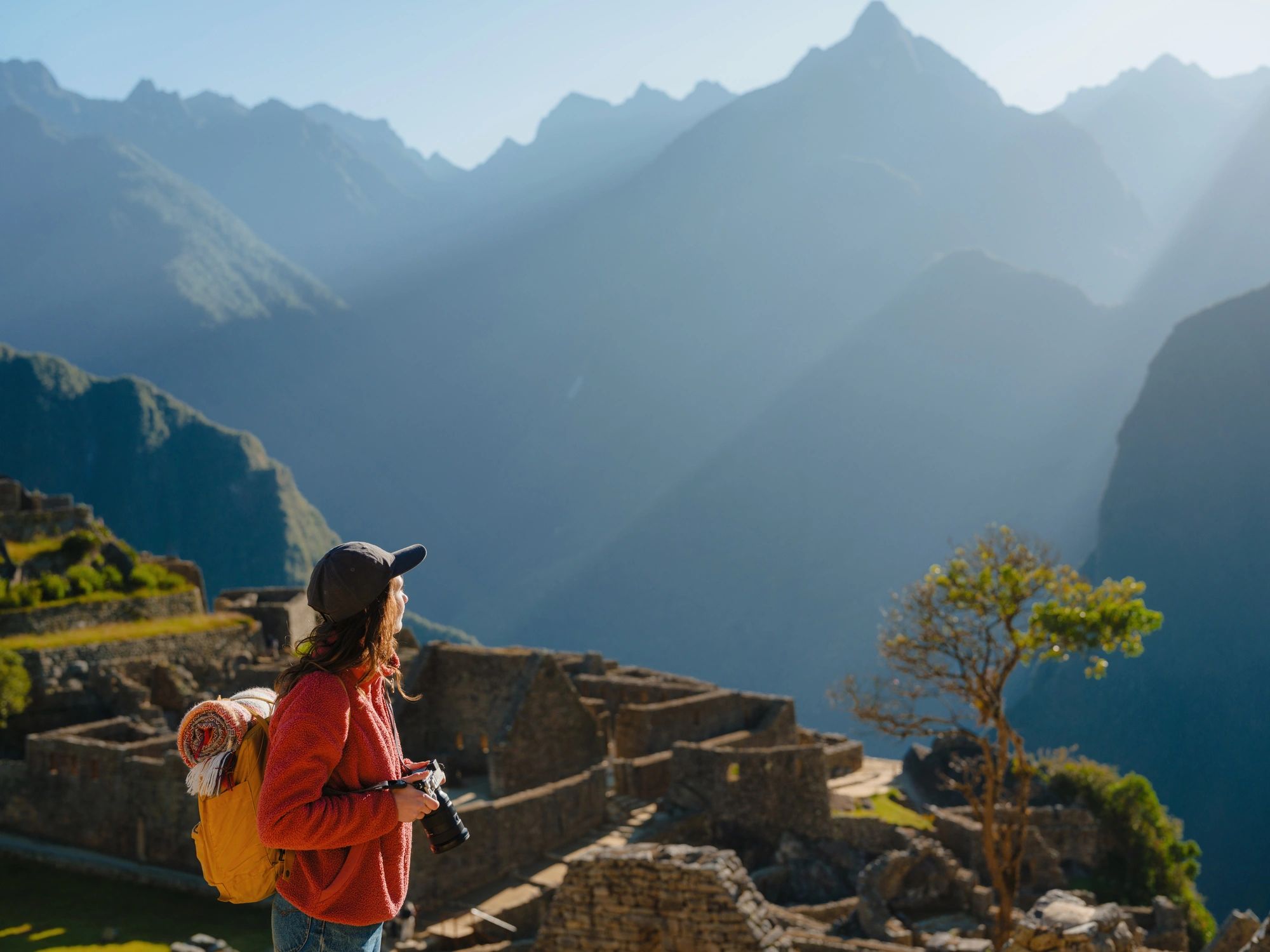
Stand Face-to-Face with History on Machu Picchu Mountain
Rising steeply above the sacred ruins of the Inca Empire, Machu Picchu Mountain rewards intrepid travelers with one of the most breathtaking vantage points in South America. While thousands flock to Huayna Picchu each year, fewer conquer its taller, equally majestic neighbor—making it a prime choice for adventurers seeking solitude, challenge, and unobstructed views of the entire citadel nestled within the Andean cloud forest. Reaching the summit at approximately 3,082 meters (10,111 ft) demands stamina and steady footing, but the payoff is unmatched: panoramic vistas stretching across jagged peaks, winding river valleys, and the UNESCO World Heritage site below, all steeped in centuries of history and mystery.
Unlike other trails that skirt the edges of the site, climbing Machu Picchu Mountain places you directly above the ancient stone temples, terraces, and plazas—offering a bird’s-eye perspective most visitors never witness. The path, though less photographed, features narrow switchbacks, exposed sections, and high-altitude conditions that test even seasoned hikers. Proper preparation—lightweight gear, ample hydration, and acclimatization to Cusco’s elevation—is essential. In this guide, you’ll learn expert-backed strategies for tackling the ascent safely, understanding trail conditions, and timing your hike to avoid crowds while maximizing visibility over one of the world’s most iconic archaeological wonders.
Conquer Machu Picchu Mountain: Your Step-by-Step Hiking Guide
Tackling Machu Picchu Mountain rewards adventurers with panoramic views of the ancient citadel and lush Andean peaks. Unlike the more popular Huayna Picchu, this towering climb demands preparation but offers solitude and sweeping vistas. Follow these steps to ensure a safe, successful ascent.
1. Secure Your Permit Early
Access to Machu Picchu Mountain is strictly limited to 400 climbers per day. Permits must be booked months in advance through official channels and are only valid with a full-day entrance ticket to Machu Picchu. No walk-up entries are allowed—plan ahead to avoid disappointment.
2. Choose the Ideal Season
The dry season (May–October) offers the clearest skies and safest trail conditions. Early mornings provide cooler temperatures and fewer crowds. Avoid the rainy season (November–April) when mud and slippery stones increase fall risks.
3. Prepare Physically
This 1,700-foot vertical climb takes 1.5 to 2.5 hours one-way. Train with weekly hill hikes, stair climbing, and cardiovascular workouts to build endurance. Acclimatize in Cusco or Aguas Calientes for at least two days to reduce altitude sickness risk.
4. Pack Smart
Carry a lightweight daypack with water (2L), energy snacks, layers (including a windproof jacket), sunscreen, and a headlamp. Trekking poles help on steep descents. Leave unnecessary gear behind—only small backpacks are permitted inside Machu Picchu.
5. Hike Safely
Stick to marked paths, take gradual steps, and rest often. The final ascent has steep stone stairs and narrow ridges—proceed cautiously. Stay behind designated barriers and never hike alone. Your safety and preservation of this UNESCO site depend on responsible choices.
Top 5 Highlights of the Machu Picchu Mountain Hike
-
Breathtaking Summit Views at 3,000+ Meters
Reaching the pinnacle of Machu Picchu Mountain rewards hikers with panoramic vistas stretching across the Urubamba Valley, where emerald peaks pierce the clouds and the ancient citadel lies nestled below. At over 3,000 meters above sea level, this vantage point offers unparalleled photo opportunities, especially during golden hour when sunrise paints the stone ruins in warm Andean light. Proper acclimatization in Cusco or Aguas Calientes beforehand enhances endurance and reduces altitude discomfort. -
Ancient Incan Stairways Carved in Stone
The ascent winds through original Incan stonework—thousands of hand-chiseled steps built with precision engineering that has endured centuries. These staircases follow natural ridgelines, blending seamlessly into the terrain. Treading these paths connects modern travelers with Incan spiritual practices, as many believe the mountain itself was worshipped as an apu—a sacred mountain spirit. -
Wild Alpaca Sightings Along the Trail
Herds of alpacas and occasionally vicuñas graze on high-altitude grasslands near the lower trailhead. These gentle camelids, native to the Andes, often pause to observe passing hikers. Their presence signals healthy highland ecosystems, and respectful distance ensures minimal disruption to their natural behaviors. -
Lush Cloud Forest Scenery En Route
Midway up the trail, hikers pass through pockets of cloud forest teeming with epiphytes, orchids, and moss-draped trees. This biodiverse zone thrives on frequent mist and rainfall, creating a mystical atmosphere. Birdwatchers may spot Andean coquis or golden-headed quetzals flitting among the canopy. -
Aerial Perspective of Machu Picchu Citadel
Few experiences compare to viewing the entire Machu Picchu complex from above—the Temple of the Sun, the Room of the Three Windows, and terraced farming systems all visible in one sweeping gaze. This bird’s-eye view reveals the site’s sophisticated urban planning and harmonious integration with surrounding sacred geography.
Common Questions About Hiking Machu Picchu Mountain – Your Guide to a Safe & Rewarding Climb
How difficult is hiking Machu Picchu Mountain?
This ascent is considered strenuous due to its steep, uneven stone steps and elevation gain of nearly 600 meters (1,970 feet) in less than 1.5 kilometers. While no technical climbing is required, a solid base of cardiovascular fitness and prior acclimatization are essential. The trail rewards endurance with unparalleled 360-degree views of the surrounding Andes and the Machu Picchu citadel far below.
Is altitude sickness a concern?
Yes—Machu Picchu Mountain reaches over 3,000 meters (9,842 feet) above sea level, placing it firmly in high-altitude territory. Symptoms like headache, nausea, or dizziness are common for unacclimated travelers. Spend at least two full days in Cusco or the Sacred Valley before attempting the hike, stay hydrated, and consider natural altitude aids like coca tea.
Do I need a special permit to hike?
Yes—access is strictly controlled by the Peruvian government. A separate entry ticket beyond the standard Machu Picchu site pass is required, often sold out weeks in advance. Tickets are timed and limited daily to preserve the trail and manage foot traffic.
How does Machu Picchu Mountain compare to Huayna Picchu?
While both offer dramatic views, Huayna Picchu is steeper and more exposed with narrow paths near drops, limited to younger, agile hikers. Machu Picchu Mountain is taller, longer, and less crowded, providing broader panoramas but requiring more stamina. Choose based on fitness level and comfort with heights.
What photography tips should I know?
Arrive early for soft morning light and fewer crowds. Use a wide-angle lens to capture expansive valley views and the iconic citadel below. A polarizing filter reduces glare on rock surfaces. Keep your phone or camera secured—there are no guardrails on exposed sections.
Leave a Legacy of Respect: Hike Machu Picchu with Purpose
Reaching the summit of Machu Picchu Mountain isn’t just a physical triumph—it’s a privilege steeped in cultural heritage and ecological fragility. This iconic silhouette rising above the Sacred Valley carries millennia of Inca history, and every stone along the trail whispers stories of ancestral ingenuity. As you conquer steep Inca stairways and thin mountain air, remember that preservation begins with mindful action. The high-altitude cloud forest is a delicate ecosystem, and archaeological integrity depends on visitor restraint.
To hike responsibly, adhere to established trails to prevent erosion and disturbance to ruins. Carry all waste out, avoid loud noises that disrupt both nature and other hikers, and never remove stones or artifacts—no matter how small. Acclimatize properly in Cusco or Aguas Calientes to reduce health risks and enhance endurance. Travel with guided groups that follow sustainable practices and contribute to local communities.
Your presence shapes the future of this UNESCO site. Support conservation by choosing eco-conscious itineraries, respecting local customs, and minimizing environmental impact. Let your ascent be measured not just by altitude gained, but by the care you show for Peru’s treasured landscape. Embrace the challenge, honor the past, and become part of a movement protecting Machu Picchu—one thoughtful step at a time.
Discover more from UnzipWorld: DIY, E-commerce, Fashion & Tech Insights
Subscribe to get the latest posts sent to your email.