
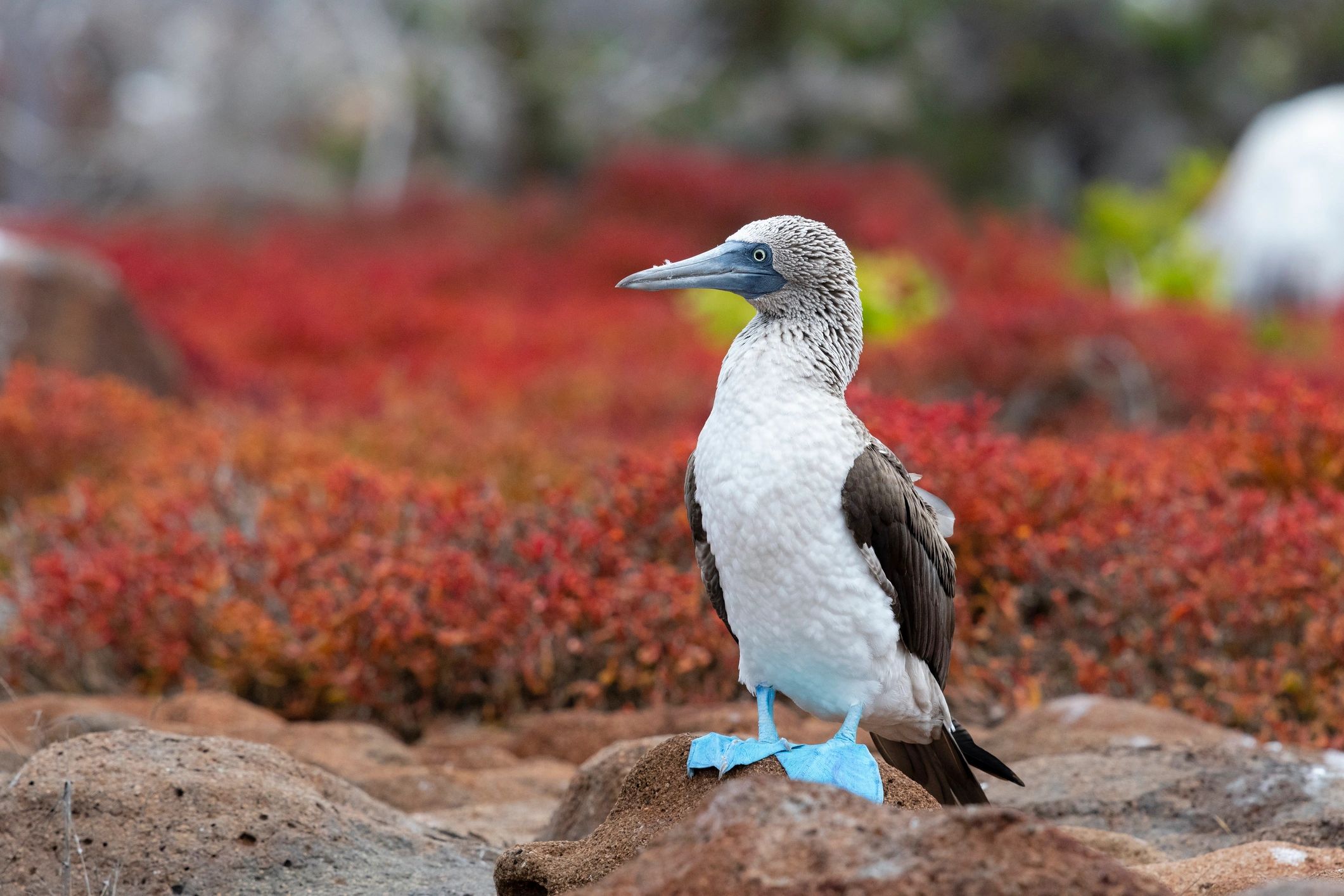
Dive Into an Underwater Eden Like No Other
Imagine gliding through crystalline waters where marine giants move with grace, sea lions dart around with playful curiosity, and ancient sea turtles cruise beneath you—all in one of the most biodiverse archipelagos on Earth. The Galapagos Islands aren’t just a bucket-list destination; they’re a living classroom where wildlife behaves fearlessly, offering travelers rare, up-close encounters underwater. Situated off the coast of Ecuador, this UNESCO World Heritage site spans a volcanic chain of islands rising from the Pacific, each hosting ecosystems found nowhere else.
Here, cold nutrient-rich currents collide with warm tropical waters, fueling an explosion of marine life that supports everything from hammerhead shark aggregations to green sea turtles nesting on volcanic shores. Whether you’re a seasoned diver or a first-time snorkeler, the Galapagos delivers accessible wildlife interactions grounded in conservation and ecological balance.
In this guide, you’ll discover how to plan ethical swim experiences, understand species behaviors before entering the water, and learn the best practices for minimizing impact while maximizing connection. You’ll also explore seasonal patterns, safety fundamentals, and what gear truly matters when sharing the sea with apex predators and gentle giants alike. Prepare to go beyond sightseeing—this is immersive, responsible wildlife engagement at its finest.
Your Step-by-Step Guide to Swimming with Marine Wildlife in the Galapagos
Planning a transformative adventure to swim with sea turtles, sea lions, and sharks in the Galapagos begins with strategic preparation. Follow these essential steps to ensure a safe, sustainable, and unforgettable experience.
1. Choose the Ideal Travel Window
Aim for the dry season (June–December) for cooler waters and peak marine activity—ideal for spotting sharks and playful sea lions. The warm season (January–May) offers calmer seas and nesting sea turtles, perfect for beginner snorkelers.
2. Select an Eco-Certified Tour Operator
Prioritize operators with official Galapagos National Park accreditation and strong sustainability practices. Look for small-group itineraries that limit environmental impact and support local conservation initiatives.
3. Pack Smart for Snorkeling Success
Bring a lightweight wetsuit for thermal protection, anti-fog snorkel gear, and reef-safe sunscreen. A compact dry bag keeps essentials dry during wet landings on rocky shores.
4. Master Safe Snorkeling Habits
Practice finning with minimal kick to avoid stirring sediment. Maintain neutral buoyancy to protect fragile coral, and keep a respectful distance—never chase or touch wildlife.
5. Follow Responsible Interaction Guidelines
Observe animals passively. Let sea lions initiate contact, avoid sudden movements near sharks, and never block a turtle’s path. Remember: you’re a guest in one of Earth’s most biodiverse ecosystems.
Top 5 Highlights of Swimming with Galapagos Wildlife
-
Playful Sea Lion Pups: Up-Close Marine Encounters
Swimming alongside curious sea lion pups is a hallmark of the Galapagos experience. These agile juveniles dart around snorkelers with boundless energy, often looping around divers in playful circles. Their natural inquisitiveness stems from growing up in protected coastal zones where human interaction is regulated yet common. To avoid disrupting social dynamics, maintain neutral buoyancy and avoid sudden movements. Let the pups initiate contact—never chase or touch them—as this promotes ethical wildlife viewing and reduces stress on breeding colonies along islands like Fernandina and Plaza Sur. -
Graceful Sea Turtles: Ancient Swimmers in Pristine Habitats
Green sea turtles glide effortlessly through kelp forests and mangrove channels, particularly around Santa Cruz and Isabela’s protected coves. Observing their slow, deliberate strokes offers insight into reptilian aquatic adaptation. These endangered travelers rely on healthy seagrass beds, making their presence an indicator of ecosystem vitality. For responsible observation, keep a minimum 2-meter distance and avoid casting shadows overhead, which can trigger stress responses. Your presence helps reinforce conservation awareness critical to protecting nesting beaches. -
Reef Sharks: Misunderstood Guardians of the Deep
Blacktip and whitetip reef sharks patrol shallow reefs with rhythmic precision, often seen resting under lava ledges during daylight. Despite their intimidating silhouette, these apex predators are non-aggressive and essential for maintaining fish population balance. Swimming calmly and avoiding erratic splashing ensures they continue their natural routines undisturbed. Their prevalence in sites like Wolf Island signals intact marine food webs and effective local conservation efforts. -
Marine Iguanas: The Ocean’s Bizarre Land-to-Sea Adaptation
Witnessing these prehistoric reptiles plunge from volcanic rocks into churning surf is nothing short of surreal. Unique to the archipelago, marine iguanas forage on submerged algae, emerging covered in salt crystals. Observe them basking on shorelines at Punta Espinosa, where their thermoregulation behaviors are clearly visible. Never block their path between feeding and resting zones—preserving their movement corridors supports long-term survival in an increasingly fragile habitat. -
Pelagic Species: Rare Encounters in Deep-Water Currents
Beyond coastal zones, advanced snorkelers may encounter schools of hammerhead sharks, oceanic manta rays, or even Galapagos sharks in open currents near Wolf and Darwin. These pelagic sightings depend on seasonal upwellings that bring nutrient-rich waters. To maximize chances safely, dive with experienced guides familiar with current patterns and animal behavior—your presence in these remote zones should prioritize group safety and marine respect.
Your Top Questions About Swimming with Marine Life in the Galapagos – Answered
Is it safe to swim with sea turtles, sea lions, and sharks in the Galapagos?
Yes—when guidelines are followed. These animals are wild but generally curious rather than aggressive. Sea lions are playful and accustomed to humans, while marine turtles and reef sharks are typically calm and non-confrontational. To minimize risk, maintain a safe distance, avoid sudden movements, and never touch or feed the animals. Certified guides are trained to assess animal behavior and ensure safe interactions.
Which species am I allowed to swim with?
Swimming is permitted with marine turtles, sea lions, and certain shark species like white-tipped reef sharks and harmless juvenile hammerheads during organized dives. Interactions with endangered or protected species, such as whale sharks or manta rays, are highly regulated and often limited to passive observation.
Do I need a guide to swim with marine animals?
Yes—visitors must be accompanied by a licensed Galapagos National Park guide. These professionals are trained in wildlife safety, conservation protocols, and emergency response. They ensure compliance with park rules and enhance the experience with real-time insights.
What’s the best time of year to swim with marine life?
The dry season (June–November) offers cooler water, strong marine currents, and peak shark activity. The warm season (December–May) provides calmer seas and frequent sea lion pup encounters. Each season supports unique wildlife behaviors.
How does tourism support conservation in the Galapagos?
Park fees directly fund habitat restoration, invasive species control, and scientific research. Responsible operators follow strict biosecurity measures, limit group sizes, and promote low-impact practices like reef-safe sunscreen use and no-touch policies.
What should I bring for a safe, eco-friendly swim?
Pack a rash guard, reef-safe sunscreen, fins, and a snug-fitting mask. Avoid dangling jewelry and use reusable gear to reduce plastic waste. Always follow your guide’s cues and respect marine space.
Protect Paradise: Your Role in Preserving the Galapagos
The Galapagos Islands offer once-in-a-lifetime encounters with sea turtles gliding through kelp forests, sea lions playing at your side, and sharks patrolling pristine reefs. But with such rare biodiversity comes a responsibility: to explore with care. This ecosystem is fragile, shaped by isolation and still recovering from past human impacts. The best way to honor your experience is by traveling sustainably, ensuring future generations can witness the same wonders.
Start by choosing operators and tours committed to Leave No Trace principles—these include using reef-safe sunscreen, avoiding single-use plastics, and maintaining safe wildlife distances. Respect designated trails and marine zones to prevent habitat disruption, and never feed or touch animals, no matter how curious they seem. Support conservation by participating in citizen science opportunities like species check-ins or beach clean-ups when available.
Pre-travel education is equally vital. Learn about the Galapagos National Park’s visitor rules, from entry permits to biosecurity checks designed to prevent invasive species. Pack mindfully: bring refillable water bottles, biodegradable toiletries, and gear that won’t shed microplastics.
By prioritizing low-impact practices and respecting local regulations, you become part of the solution. Let your journey be defined not by what you take, but by what you protect. When travelers act as stewards, the wild beauty of the Galapagos remains alive—and transformative—for all.
Discover more from UnzipWorld: DIY, E-commerce, Fashion & Tech Insights
Subscribe to get the latest posts sent to your email.