
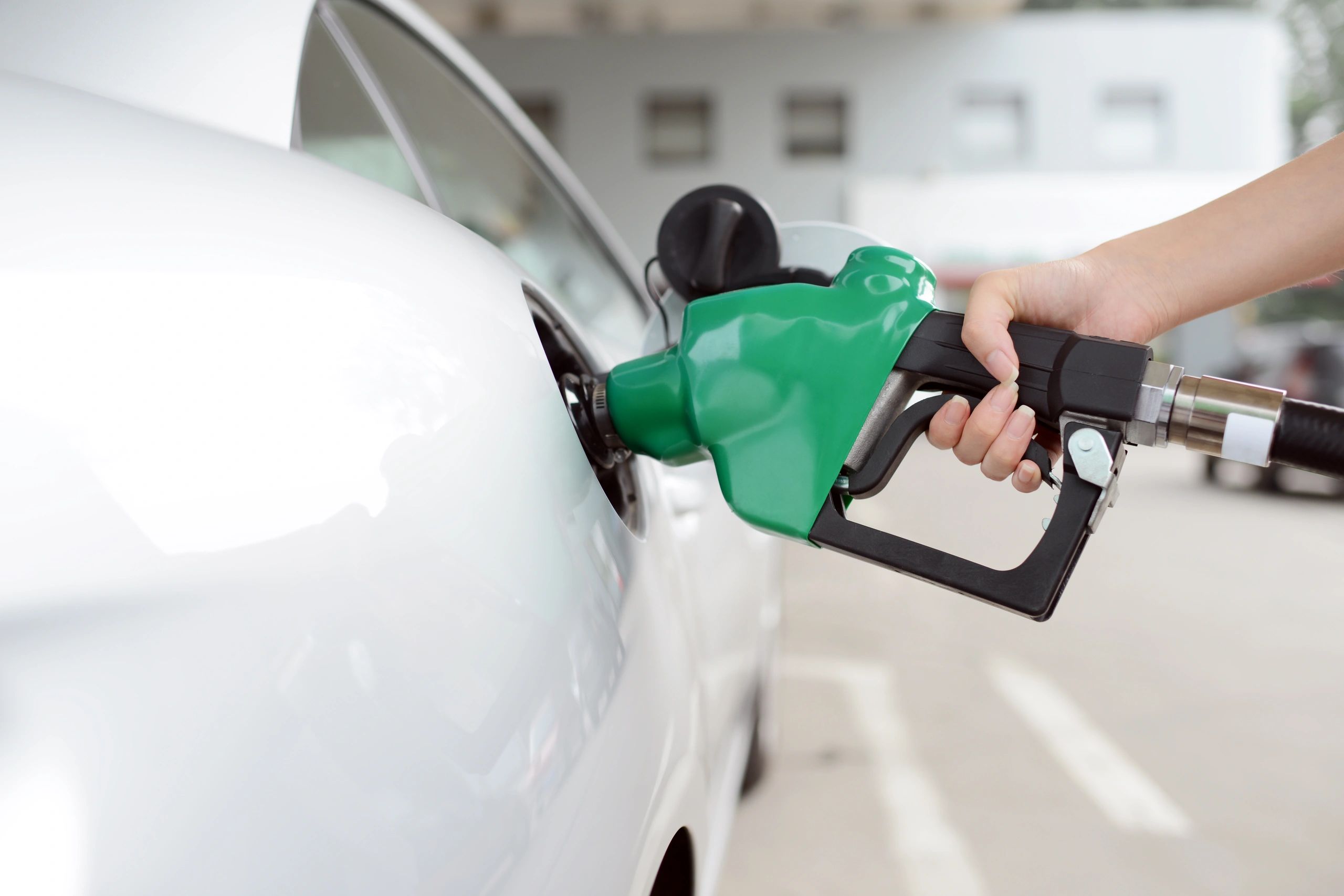
Why Smart Driving Starts with Smarter Fuel Habits
Fuel efficiency isn’t just about how far your tank can take you—it’s about maximizing value, reducing environmental impact, and staying in control of rising transportation costs. With gas prices fluctuating and urban congestion increasing, especially in metro areas where stop-and-go traffic is the norm, every mile counts. The average driver can save hundreds of dollars annually by adopting smarter driving techniques that also reduce carbon emissions and ease strain on the engine.
This guide breaks down proven, actionable strategies to help drivers—from daily commuters to road trippers—optimize fuel consumption without sacrificing performance or comfort. You’ll learn how vehicle maintenance, route planning, and even driving posture influence efficiency. Discover how small shifts in behavior, like avoiding aggressive acceleration or maintaining proper tire pressure, lead to measurable savings over time.
We’ll also explore how modern vehicle features, such as eco-mode and automatic engine stop-start systems, can be leveraged effectively. Whether you’re navigating city streets or highway corridors, understanding the connection between driving habits and fuel economy empowers smarter decisions behind the wheel—and puts more money back in your pocket.
Master These 7 Fuel-Saving Driving Techniques for Maximum Efficiency
Fuel efficiency isn’t just about the car you drive—it’s heavily influenced by how you drive. By adopting proven techniques, you can significantly reduce fuel consumption, lower emissions, and save money at the pump, especially in cities with stop-and-go traffic or hilly terrain. These strategies are backed by automotive best practices and can be implemented immediately, regardless of your vehicle type.
Smooth Acceleration and Deceleration
Rapid starts and hard braking waste fuel by forcing the engine to work harder. Instead, accelerate gradually and anticipate stops ahead to coast when possible. This technique, often used in hybrid and electric vehicles, reduces energy loss and improves MPG in any model.Maintain Proper Tire Pressure
Underinflated tires increase rolling resistance, making your engine work harder. Check tire pressure monthly—especially during seasonal changes—and keep it at the manufacturer’s recommended level. This simple step can boost fuel economy and improve handling and safety.Minimize Engine Idling
Idling gets you nowhere but burns fuel unnecessarily. Turn off your engine if stopped for more than 30 seconds (except in traffic). Modern engines use less fuel restarting than idling for extended periods—ideal for city driving or school zones.Use Cruise Control on Highways
On long, open roads, cruise control maintains a consistent speed, preventing unintentional surges that increase fuel use. It’s especially effective in flat or rolling terrain.Reduce Unnecessary Weight
Extra cargo increases fuel demand. Remove unused roof racks, bike carriers, or heavy items from your trunk. Every 100 pounds can impact fuel economy, particularly in stop-and-go urban driving.Plan and Combine Trips
Cold engines use more fuel during warm-up. Combine errands into one outing to keep the engine at optimal temperature. This is especially helpful in colder climates where engine warm-up takes longer.Shift Gears Efficiently (Manual & Automatic)
For manual transmissions, shift up early and avoid high RPMs. In automatics, use overdrive when cruising. Newer transmissions are calibrated for efficiency—respecting shift patterns maximizes their design.
Incorporate these habits to stretch every gallon and make every drive smarter.
Master Your Mileage: A Step-by-Step Guide to Smarter, More Efficient Driving
Maximizing fuel economy isn’t just about saving money—it’s about smarter driving habits, smarter vehicle maintenance, and smarter route planning. With fuel prices fluctuating and environmental concerns growing, every mile counts. Follow this proven, step-by-step guide to improve your vehicle’s fuel efficiency in real-world conditions, whether you’re commuting through city traffic or traveling across the county.
1. Plan Your Route Strategically
Use GPS navigation apps that offer real-time traffic updates and suggest optimal routes. Avoid frequent starts and stops by choosing roads with steady flow, especially in high-traffic urban and suburban areas. Combine multiple errands into one trip to reduce total mileage. Tip: Schedule your routes to avoid peak congestion hours—this alone can reduce fuel consumption significantly.
2. Use Cruise Control on Open Highways
Engage cruise control on long, flat stretches of highway to maintain a consistent speed. This prevents unnecessary acceleration and braking, which can slash fuel efficiency. Best practice: Only use cruise control in dry, stable conditions—avoid it in rain, snow, or heavy traffic.
3. Perform Regular Vehicle Maintenance
Stick to your manufacturer’s recommended maintenance schedule. Replace air filters, ensure proper tire inflation, and use the correct motor oil grade. Pro tip: Underinflated tires can reduce fuel economy by up to 3%, so check pressures monthly, especially before long trips.
By following these three steps consistently, drivers in cities and suburbs alike can see measurable improvements in gas mileage—without changing their vehicle or driving fewer miles.
Lighten the Load, Lower the Cost: Smart Ways to Optimize Fuel Efficiency
Maximizing fuel economy isn’t just about driving style—it’s also about how you manage your vehicle’s load, climate systems, and fuel choices. Small adjustments in these areas can lead to measurable savings at the pump, especially during peak commuting hours in urban centers or long weekend trips across regional highways. Start by reducing unnecessary vehicle weight. Every extra 100 pounds can decrease fuel efficiency by up to 1%, so remove roof racks, cargo boxes, or heavy items from the trunk when not in use. Store sports equipment, tools, or seasonal gear at home to keep your car lean and efficient.
Air conditioning use is another key factor. While staying cool is essential in warmer climates, aggressive AC settings increase engine load and fuel consumption. Pre-cool your car by cracking windows or using sunshades, then set your climate control to a moderate temperature. At lower speeds, open windows are acceptable, but at highway speeds, closed windows reduce drag more than AC use increases load—strike a balance based on driving conditions.
When it comes to fuel, always use the octane level recommended in your owner’s manual. Premium fuel isn’t always better and can waste money if your engine doesn’t require it. Additionally, consider fuel economy grades available at many local stations—cleaner-burning fuels with detergent additives can enhance long-term engine performance. By managing weight, using climate systems wisely, and selecting appropriate fuel, drivers across all regions can maintain peak efficiency without sacrificing comfort or convenience.
Master Your Mileage: Smart Strategies to Track and Reduce Fuel Use
Understanding your vehicle’s fuel consumption is the first step toward cutting costs at the pump. Modern cars come equipped with real-time fuel economy displays, trip computers, and even mobile app integrations that provide detailed insights into MPG (miles per gallon) trends. By monitoring this data regularly, drivers can identify patterns—such as a sudden drop in efficiency—that may indicate tire pressure issues, engine problems, or driving habits in need of adjustment.
Your driving style has a significant impact on fuel use. Aggressive acceleration, high speeds, and excessive idling can reduce fuel economy by up to 30% in city conditions. Instead, adopt a smooth driving approach: accelerate gradually, maintain steady speeds, and anticipate traffic flow to minimize unnecessary braking. Using cruise control on highways—especially in flat, open areas—helps maintain consistent fuel efficiency.
Take advantage of built-in vehicle technology like eco-mode, which optimizes throttle response and climate control settings for maximum efficiency. Many newer models also offer coaching features that provide instant feedback on driving behavior. In urban areas with frequent stops, hybrid or electric powertrains can deliver superior fuel savings, especially when regenerative braking is engaged.
To get the most accurate picture, track your refueling history manually or through a fuel log app. Compare fuel-ups under similar conditions—such as summer vs. winter or highway vs. city—to assess real-world performance. Small adjustments, when sustained over time, lead to measurable savings and a more efficient driving experience.
Your Top Questions About Saving Fuel While Driving—Answered
Does driving speed really impact fuel efficiency?
Yes, significantly. Maintaining a steady speed between 45 and 60 mph typically maximizes fuel economy for most vehicles. Aggressive acceleration and high speeds (especially over 70 mph) increase aerodynamic drag and engine load, reducing miles per gallon. Using cruise control on highways helps maintain optimal speed and conserve fuel.
Do different vehicle types save fuel differently?
Absolutely. Hybrid, electric, and turbocharged engines are engineered for better fuel economy. However, even within traditional gas-powered vehicles, lighter models with smaller engines and aerodynamic designs naturally use less fuel. Regular maintenance—such as replacing air filters and using the correct motor oil—further enhances performance across all vehicle types.
How often should I service my car to maintain fuel efficiency?
Follow your manufacturer’s recommended maintenance schedule, but prioritize key services every 6 months or 6,000–7,500 miles. A clogged air filter, worn spark plugs, or underinflated tires can reduce gas mileage by up to 10%. Regular tune-ups ensure your engine runs cleanly and efficiently.
Can tire pressure affect how much gas I use?
Yes. Underinflated tires increase rolling resistance, forcing your engine to work harder. Checking tire pressure monthly—and inflating to the manufacturer’s specs—can improve fuel economy by up to 3%. This is especially important in regions with fluctuating seasonal temperatures.
Does climate or location impact fuel-saving strategies?
Definitely. Stop-and-stop traffic in urban areas reduces fuel economy, making smooth driving and route planning critical. In colder climates, engine warm-up times increase fuel use, so minimizing idle time helps. Coastal or mountainous regions may require more throttle adjustment—anticipating terrain improves efficiency.
Is it worth using premium fuel to save gas?
Only if your vehicle requires it. Most cars are designed to run on regular unleaded. Using premium fuel in a standard engine offers no benefit and increases costs. Always refer to your owner’s manual for the correct fuel type.
How can I track my fuel efficiency over time?
Many modern vehicles have built-in trip computers showing real-time MPG. Alternatively, use a fuel log app or notebook to record mileage and fill-ups. Monitoring trends helps identify when maintenance is due or if driving habits need adjusting.
Drive Smarter, Save More: Your Roadmap to Sustainable Fuel Efficiency
Mastering fuel-efficient driving isn’t just about cutting costs—it’s about building smarter, more sustainable habits that benefit both your wallet and the environment. From maintaining proper tire pressure and reducing excess vehicle weight to embracing smooth acceleration and minimizing idle time, every choice behind the wheel adds up. Strategic route planning using real-time traffic apps helps avoid congestion common in urban centers, while combining errands into a single trip reduces cold starts that decrease MPG. Regular maintenance—like timely air filter replacements, clean fuel injectors, and keeping your engine tuned—ensures your vehicle operates at peak efficiency, especially important in regions with extreme temperatures that can impact fuel economy.
To make lasting improvements, start by tracking your fuel consumption monthly and setting achievable reduction goals. Use your dashboard’s eco-driving feedback if available, and consider trip segmentation to identify high-consumption patterns. In cities with frequent stop-and-go traffic, practicing predictive driving—anticipating stops and coasting when possible—can significantly improve fuel economy over time.
Now is the time to put these strategies into action. Small, consistent changes lead to big results. By driving with intention and efficiency in mind, you’ll not only lower fuel expenses but also reduce emissions and extend your vehicle’s lifespan—driving smarter for yourself and your community.
Discover more from UnzipWorld: DIY, E-commerce, Fashion & Tech Insights
Subscribe to get the latest posts sent to your email.