
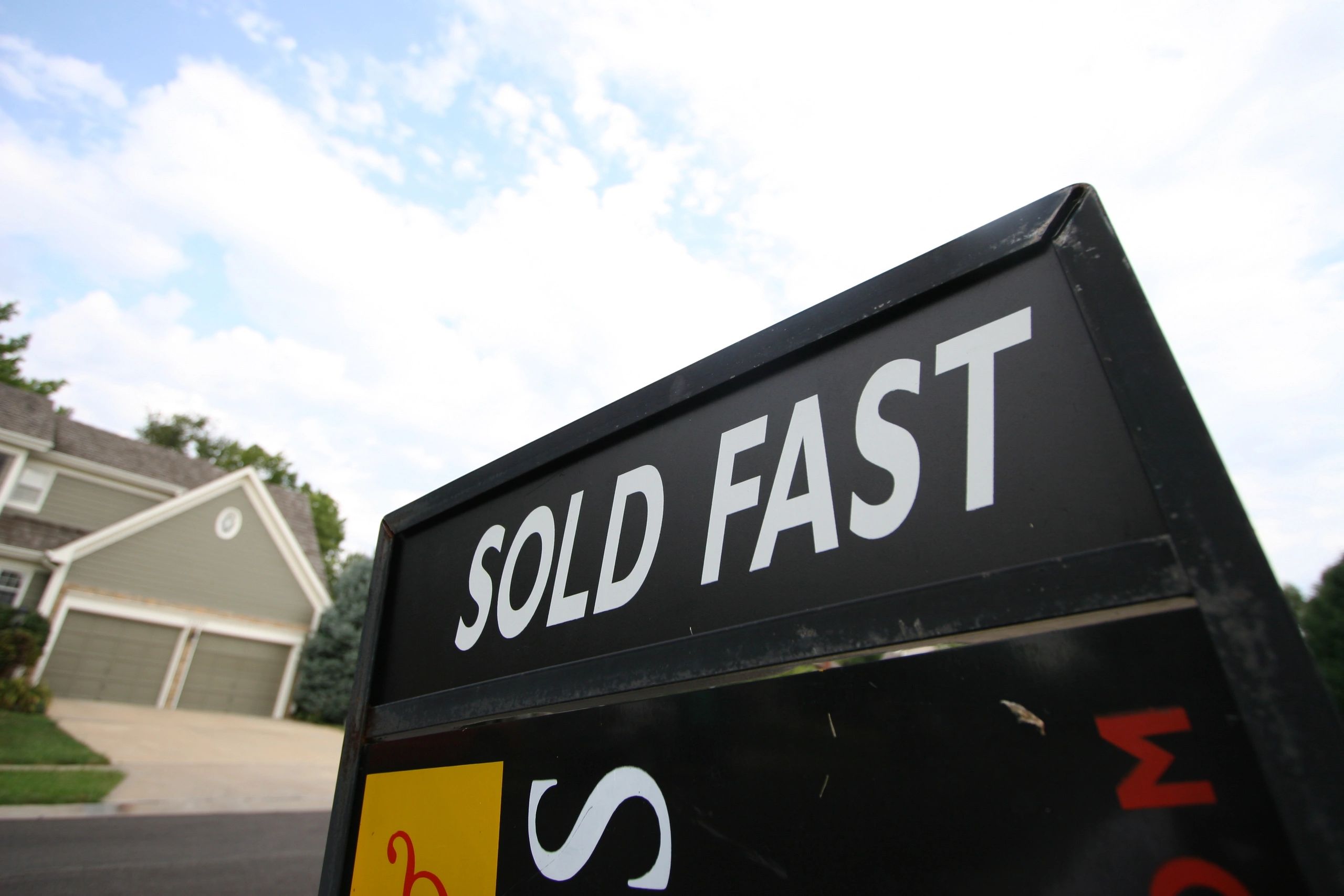
Why Speed Wins: The Competitive Edge of Selling Your Property Quickly
In fast-moving real estate markets, timing isn’t just an advantage—it’s the difference between maximizing returns and facing prolonged stress and added costs. Homeowners who move swiftly gain critical benefits: reduced mortgage carrying charges, lower risk of price erosion in cooling markets, and faster access to capital for their next purchase or investment. The longer a property sits on the market, the more it risks being perceived as “stale”—a red flag for buyers who often assume overpricing or underlying issues. In competitive areas like urban centers and high-demand suburbs, properties that sell within the first 21 days typically command closer to—or even above—asking price.
This guide reveals how strategic positioning, data-driven pricing, and smart staging can compress your sales timeline without sacrificing value. You’ll learn how to leverage market momentum, appeal to investor and end-buyer psychology, and avoid common missteps that delay offers. Whether you’re upgrading, downsizing, or reinvesting, selling faster isn’t just about convenience—it’s a financial strategy that preserves equity, reduces holding costs, and accelerates your next move. The clock starts the moment your property hits the market—make every second work in your favor.
7 Proven Tactics to Accelerate Your Property Sale
Selling your property quickly starts with strategy—not luck. Implement these time-tested methods to attract serious buyers, generate competitive offers, and close faster without leaving money on the table.
1. Master Home Staging to Maximize Buyer Appeal
First impressions are critical in real estate. Professionally staged homes consistently sell faster and for higher prices because they help buyers visualize themselves living in the space. Focus on decluttering, depersonalizing, and arranging furniture to highlight flow and function. Use neutral tones and strategic lighting to create warmth and openness. Even budget-friendly tweaks like fresh paint or updating hardware can make a significant difference in perceived value.
2. Price It Right from Day One
Overpricing kills momentum. A competitive market analysis (CMA) ensures your listing aligns with local comps in your ZIP code. Slight underpricing can spark bidding wars, while overpricing leads to stale listings and price reductions that hurt perception. Work with data-driven pricing strategies that reflect current neighborhood trends and buyer demand.
3. Invest in Professional Photography
Over 90% of buyers begin their search online—your visuals are your first sales pitch. High-resolution photos taken with wide-angle lenses and proper lighting showcase key features and create emotional appeal. Include shots of well-lit rooms, outdoor spaces, and any updated finishes. Listings with professional images receive more clicks, longer views, and faster offers.
4. Time the Market for Optimal Exposure
Spring and early summer are peak seasons in most metro and suburban markets, when buyer activity surges. Listing during slower months like late fall or winter may require stronger incentives. Understand regional cycles—some urban areas see year-round demand, while family-oriented suburbs peak during school calendar transitions.
5. Optimize Digital Visibility with SEO-Smart Descriptions
Craft compelling, keyword-rich property descriptions highlighting location advantages (e.g., “walkable to downtown,” “top-rated school district”) and functional upgrades like “open-concept layout” or “energy-efficient windows.” These terms align with how local buyers search online and improve your listing’s performance on search engines and real estate portals.
6. Prioritize Minor Repairs and Deep Cleaning
Buyers interpret neglected maintenance as red flags. Fix leaky faucets, patch drywall, replace burnt-out bulbs, and deep clean carpets and grout. Small repairs prevent negotiation delays and reduce the chance of failed inspections. A spotless, well-maintained home signals pride of ownership and builds buyer confidence.
7. Leverage Pre-Listing Inspections to Build Trust
Ordering a home inspection before listing allows you to address issues proactively. Providing this report to buyers reduces uncertainty, minimizes post-offer haggling, and speeds up closing. It’s a small investment that signals transparency and positions your property as move-in ready.
Master the Art of Preparing Your Property for a Faster Sale
Selling your property quickly starts long before the listing goes live—it begins with strategic preparation that maximizes appeal and minimizes time on market. Follow this step-by-step guide to ensure your home stands out to buyers and appraisers alike.
1. Declutter Thoroughly and Depersonalize
Remove excess furniture, knick-knacks, and personal items to open up living spaces and help buyers visualize themselves in the home. Aim for a clean, minimalist aesthetic. Store seasonal items and pack away collections to create a sense of spaciousness, especially in high-traffic areas like kitchens and entryways.
2. Tackle Essential Repairs
Address visible issues such as leaky faucets, cracked tiles, squeaky doors, and chipped paint. Replace burnt-out light bulbs and ensure all appliances are in working order. Fixing structural concerns like loose railings or uneven flooring enhances safety and boosts buyer confidence during inspections.
3. Deep Clean Every Room
Go beyond surface cleaning—steam carpets, scrub grout, wash windows, and disinfect kitchens and bathrooms. A spotless home signals meticulous maintenance, which can justify higher offers. Don’t overlook basements, attics, and garages where dust and odors accumulate.
4. Boost Curb Appeal with Low-Cost Upgrades
Mow the lawn, trim hedges, plant seasonal flowers, and add mulch to garden beds. Pressure wash walkways and siding. A fresh coat of paint on the front door or numbered mailbox can make a strong first impression in online listings and drive-by tours.
5. Staging for Maximum Impact
Arrange furniture to highlight room flow and natural light. Use neutral decor to appeal to a broad audience. Stage key areas like the living room, master bedroom, and kitchen with a lived-in yet tidy aesthetic. Consider virtual staging if the property is vacant.
Proper preparation reduces negotiation friction and positions your home as move-in ready—a critical advantage in competitive local markets.
Partner with the Right Agent and Maximize Your Online Exposure
Selling your property quickly starts with two critical decisions: who represents you and where your listing appears. A skilled real estate agent doesn’t just schedule viewings—they craft a targeted marketing strategy, price your home competitively, and negotiate offers with confidence. Look for agents with a strong track record in your local market, especially those who consistently sell homes faster than the area average. Ask about their photography and staging approach, preferred communication style, and how they plan to promote your property across multiple channels.
When evaluating agents, consider their digital presence. Top performers leverage professional photography, 3D virtual tours, and targeted social media campaigns to attract serious buyers. They also understand how to optimize online listing platforms—like major UK property portals—to boost visibility in search results. These platforms rely on detailed descriptions, accurate room counts, and geo-tagged locations to match buyer criteria.
To get the most from your listing:
- Ensure your property appears on at least three high-traffic portals
- Use clear, high-resolution images that highlight key features
- Include precise location details, such as proximity to transport links and schools
- Update your listing regularly to maintain search algorithm favorability
Your agent should provide monthly performance reports, showing views, inquiries, and feedback. The right partnership, combined with strategic online placement, significantly increases your chances of a fast, successful sale.
How Market Timing Influences Your Property Sale Speed
Selling your property quickly isn’t just about pricing or staging—it’s deeply tied to market conditions, seasonality, and buyer demand. Understanding these forces gives you a strategic edge, helping you time your sale for maximum visibility and offers.
Market conditions play a foundational role. In a seller’s market, where demand outpaces supply, homes move faster and often above asking price. This typically occurs when interest rates are low and employment is high, especially in metropolitan areas like London, Manchester, or Birmingham. Conversely, a buyer’s market means more inventory and fewer purchasers, requiring stronger pricing strategy and marketing effort to stand out.
Seasonality also shapes buyer behavior. Historically, spring and early summer see the highest buyer activity—families aim to move before the new school year, and longer daylight hours improve home viewings. Autumn can bring steady interest, while winter—particularly around December holidays—often slows significantly.
Local buyer demand varies by neighborhood. Areas with new infrastructure, top-rated schools, or regeneration projects attract more interest year-round. Monitoring local search trends, open house attendance, and time-on-market metrics in your ZIP code can reveal optimal windows to list.
To maximize speed:
- List in spring, but prep your home 4–6 weeks in advance
- Monitor local inventory levels—fewer listings mean less competition
- Adjust pricing dynamically based on how similar properties perform
- Leverage buyer urgency in high-demand postcodes with swift offer handling
Strategic timing, backed by local market awareness, can cut weeks off your sale timeline.
Your Most Pressing Questions About Selling Faster—Answered
Selling your property quickly doesn’t have to mean leaving money on the table. When you understand the common concerns around pricing, repairs, and timelines, you can make informed decisions that accelerate your sale while maximizing returns. Here are the most frequently asked questions homeowners have when aiming to sell fast—along with clear, practical answers.
How quickly can I realistically sell my property?
In ideal conditions, a well-priced home in a high-demand area can receive offers within days and complete the sale in 4–6 weeks. Market conditions, location, and preparation play major roles. Properties in sought-after neighborhoods near schools, transit, or urban centers often move the fastest.
Should I price my home low to sell it faster?
Pricing too low can lead to quick offers but may cost you thousands. Instead, aim for a competitive market price based on recent comparables in your ZIP code. A slightly aggressive yet realistic price attracts serious buyers without undervaluing your asset.
Do I need to make repairs before listing?
Yes—but focus on high-impact, cost-effective fixes. Address safety issues, refresh paint, clean deeply, and repair visible damage. Buyers overlook minor flaws in well-maintained homes but walk away from properties needing major structural or electrical work.
Is staging worth the investment?
Absolutely. Professionally staged homes sell faster and often for higher amounts. Even budget-friendly staging—like decluttering and rearranging furniture—improves buyer visualization and emotional connection.
Should I accept the first offer to speed things up?
Not always. First offers can be lowball attempts. Use them as negotiation leverage, especially in bidding situations. Work with your agent to evaluate offer strength, not just price—faster closings with fewer contingencies can be more valuable.
Can I sell as-is without any repairs?
Yes, but you’ll likely attract investors or buyers looking for fixer-uppers, which can limit your pool and lower your final price. Be transparent in your listing to avoid appraisal or inspection delays.
How does timing the market affect my sale speed?
Spring and early summer typically bring the most buyers. However, pricing right and marketing effectively matters more than the season—especially in consistently active urban and suburban markets.
Selling Smart: Your Path to a Faster, More Profitable Home Sale
Selling your property quickly doesn’t happen by accident—it’s the result of strategic preparation, market awareness, and confident execution. From optimizing curb appeal and staging interiors for maximum emotional impact to pricing competitively based on real-time neighborhood comps, every decision shapes buyer perception. Strategic home improvements focused on high-return areas—like kitchens, bathrooms, and outdoor living spaces—can significantly boost appeal without requiring a full renovation. Professional photography and virtual tours have become essential tools, allowing your listing to stand out across digital platforms where most buyers begin their search.
Timing matters just as much as presentation. Understanding local market cycles, such as peak spring demand or faster turnover in suburban hotspots, helps you position your home when buyer activity is highest. Equally important is ensuring your listing reaches the right audiences through targeted online channels, including hyperlocal search and real estate portals popular in your region. Transparency in disclosures and readiness with paperwork streamline the offer-to-close process, building trust with serious buyers.
Now is the time to act: audit your home’s current condition, research recent sales in your ZIP code, and refine your marketing approach with clarity and confidence. The fastest sales go to sellers who combine preparation with precision—take control of your sale, present with pride, and move forward with momentum.
Discover more from UnzipWorld: DIY, E-commerce, Fashion & Tech Insights
Subscribe to get the latest posts sent to your email.