
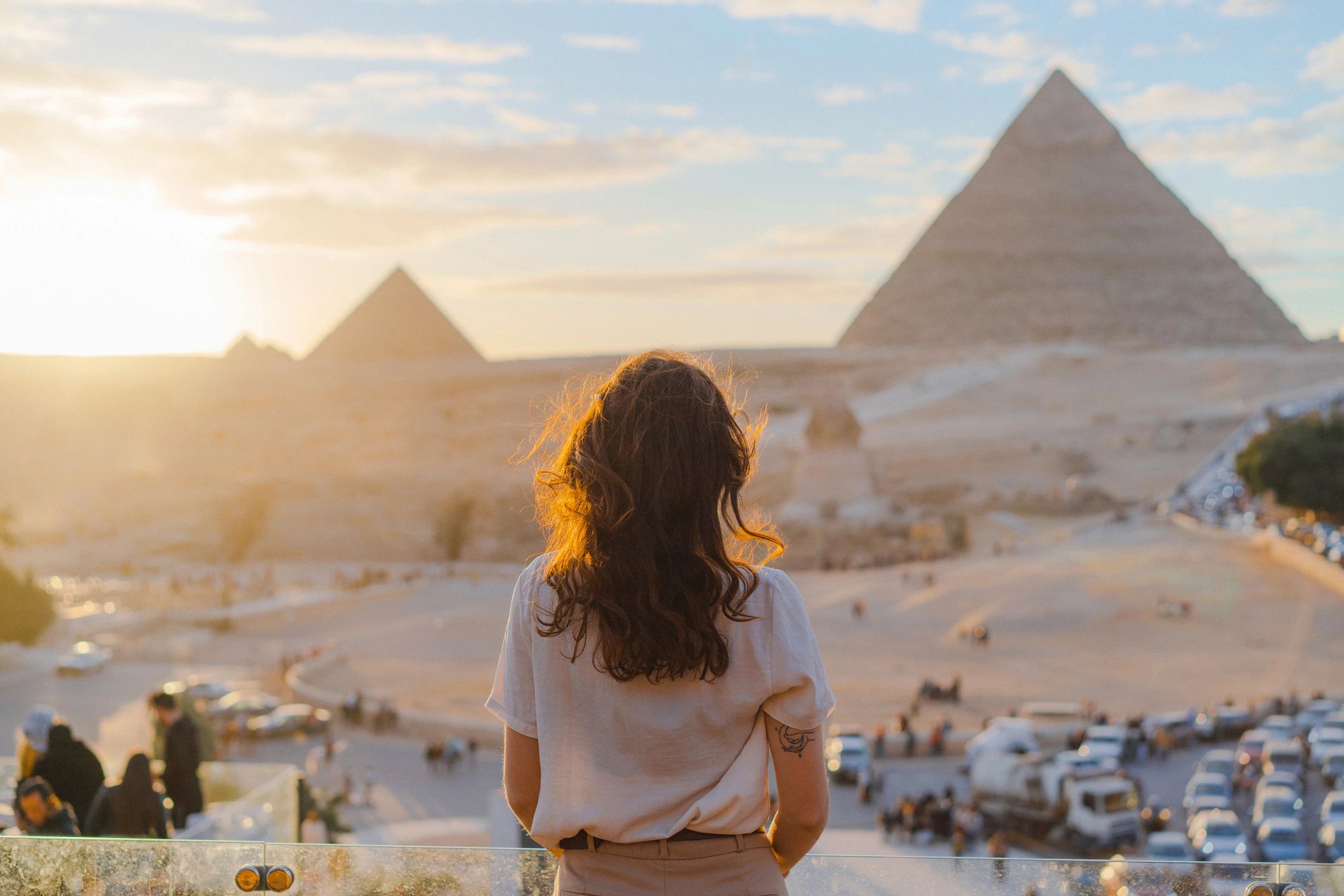
Unlock the Mysteries of One of the Ancient World’s Greatest Wonders
Standing tall for over 4,500 years, the Pyramids of Giza and the enigmatic Great Sphinx remain among the most iconic archaeological sites on Earth. Located just outside Cairo, these monumental structures draw millions of travelers annually, drawn by their breathtaking scale, ancient engineering, and spiritual significance. As the last surviving wonder of the ancient Seven Wonders of the World, the Giza Plateau offers more than just photo opportunities—it’s a journey into the heart of ancient Egyptian civilization.
Visiting the pyramids isn’t just about checking a bucket-list item; it’s about understanding how these tombs reflect advanced knowledge in astronomy, mathematics, and architecture. The Great Pyramid of Khufu, once the tallest man-made structure for over 3,800 years, continues to inspire awe and scholarly debate. Meanwhile, the Sphinx—carved from a single mass of limestone—guards the necropolis with its mysterious gaze.
In this guide, you’ll learn how to plan a seamless visit, navigate common challenges like crowds and heat, understand cultural etiquette, explore optional add-ons like sound and light shows, and make the most of your time at this UNESCO World Heritage site. Whether you’re a history enthusiast or a first-time traveler to Egypt, this walkthrough ensures a meaningful, well-informed experience.
Your Step-by-Step Guide to Planning a Trip to the Pyramids of Giza & Sphinx
Visiting the Pyramids of Giza and the Great Sphinx is a bucket-list experience that requires thoughtful planning to fully enjoy. Follow this step-by-step guide to ensure a seamless and memorable journey through one of the ancient world’s most iconic destinations.
-
Choose the Best Time to Visit
Aim for the shoulder seasons—March to April or October to November—when temperatures are mild and crowds are smaller. Avoid peak summer months when heat can exceed 35°C (95°F), making outdoor exploration uncomfortable. -
Book International Flights to Cairo
Most travelers fly into Cairo International Airport (CAI). Look for direct flights or convenient connections through major European or Middle Eastern hubs. Book early to secure better rates, especially during high season. -
Secure Necessary Travel Documents
Ensure your passport is valid for at least six months beyond your travel date. Most nationalities require a visa for Egypt, which can often be obtained on arrival or through an e-visa system—check current entry requirements before departure. -
Arrange Cairo Accommodations
Stay in a centrally located hotel in downtown Cairo, Giza, or near the Nile Corniche for easy access to the pyramids. Proximity to public transport or tour operators simplifies daily commutes. -
Plan Your Visit to the Giza Plateau
Purchase entry tickets in advance if possible, and consider hiring a licensed local guide who can provide historical context and help navigate the site. Arrive early in the morning to avoid midday heat and crowds. -
Prepare for On-Site Logistics
Dress in lightweight, sun-protective clothing, wear sturdy footwear, and carry water, sunscreen, and a hat. Be mindful of persistent vendors and camel ride offers—negotiate firmly or decline politely. -
Enhance Your Experience
Combine your visit with a nearby attraction like the Solar Boat Museum or a sunset view from the nearby hilltop. For a unique perspective, consider a sound and light show after dark.
By following these practical steps, you’ll maximize comfort, safety, and enjoyment while exploring Egypt’s most legendary landmarks.
Top 5 Must-See Sites at the Giza Plateau
Exploring the Giza Plateau is a journey into the heart of ancient Egyptian engineering and spiritual legacy. For travelers visiting Egypt, witnessing these iconic structures in person is a bucket-list experience. To make the most of your trip, focus on these five essential landmarks that define the Giza complex.
-
The Great Pyramid of Khufu (Cheops)
As the largest and oldest of the three pyramids, this monumental tomb is the last surviving wonder of the ancient world. Built over 4,500 years ago, it once stood at 146.6 meters and was constructed with an estimated 2.3 million limestone blocks. Visitors can enter the pyramid (additional ticket required) to experience the narrow ascending passageways and the awe-inspiring King’s Chamber. Early morning visits help avoid both crowds and extreme heat. -
The Great Sphinx
This colossal limestone statue features a lion’s body and a pharaoh’s head, widely believed to represent King Khafre. Carved directly from the bedrock of the plateau, the Sphinx stretches 73 meters long and stands 20 meters high. Facing due east, it symbolizes royal power and divine protection. For optimal photos and cooler temperatures, visit at sunrise when the golden light enhances the statue’s mystical presence. -
Pyramid of Khafre (Chephren)
Slightly smaller than Khufu’s pyramid, Khafre’s tomb appears taller due to its elevated foundation and retains some of its original smooth casing stones near the apex. The associated mortuary and valley temples are remarkably preserved, offering insight into ancient Egyptian burial rituals. The causeway leading to the Nile floodplain once enabled ceremonial processions. -
Pyramid of Menkaure (Mycerinus)
The smallest of the three main pyramids, Menkaure’s structure stands at just over 65 meters and is notable for its complex internal layout and the use of granite in its lower courses. Adjacent to it are three smaller queen’s pyramids, each with their own mortuary temples. This section of the plateau tends to be less crowded, making it ideal for contemplative exploration. -
The Solar Boat Museum
Located beside the Great Pyramid, this museum houses the reconstructed cedarwood funerary boat of Khufu, which was buried in pits to serve the pharaoh in the afterlife. The 43-meter vessel is an extraordinary example of ancient craftsmanship and religious belief. Recent renovations have improved lighting and display conditions, enhancing the visitor experience.
Your Top Questions About Visiting the Pyramids of Giza & Sphinx—Answered
Is it safe to visit the Pyramids of Giza and the Sphinx in 2024?
Yes, the Giza Plateau is considered safe for tourists, with a strong police and tourist police presence monitoring the area daily. Most visitors experience no issues when sticking to well-traveled paths and licensed guides. It’s always wise to stay aware of your surroundings, avoid isolated areas, and follow local advice, especially during peak hours.
How do I buy tickets for the Pyramids and Sphinx?
Tickets can be purchased at the main entrance to the Giza Plateau. Separate or combined entry options are available for the Great Pyramid, Sphinx, and surrounding temples. Some attractions, like entering the Great Pyramid, require an additional fee. Consider bringing cash in Egyptian pounds to avoid payment issues.
Are guided tours worth it?
Absolutely. Licensed guides provide historical context, help navigate ticketing and access points, and save time. Tours also help you avoid common scams and misleading information from unofficial vendors. Look for Egyptologist-certified guides for the most accurate, engaging experience.
What’s the best time of day to visit?
Arrive early in the morning—right at opening—to avoid heat and crowds. Sunrise offers stunning photo opportunities with soft light on the pyramids and minimal congestion. Late afternoon visits are also scenic, but expect more tourists and warmer temperatures.
Can I go inside the Great Pyramid?
Yes, but access is limited and requires a separate ticket. The interior is narrow and steep, so it’s not recommended for those with claustrophobia or mobility concerns. Visit early to avoid long queues inside.
Are there any dress code or cultural considerations?
While there’s no strict dress code, modest clothing is respectful, especially for women. Cover shoulders and knees to blend in comfortably and show cultural sensitivity, particularly when interacting with local guides or nearby residents.
Final Tips and Inspiration for an Unforgettable Giza Experience
Visiting the Pyramids of Giza and the Great Sphinx isn’t just a bucket-list item—it’s a journey into the heart of ancient civilisation. To make the most of your trip, plan your visit early in the morning to avoid both crowds and intense midday heat, especially during peak summer months. Wear lightweight, breathable clothing, a wide-brimmed hat, and comfortable walking shoes—sand and uneven terrain can be unforgiving. Stay hydrated and carry sun protection, as shade is limited on the plateau.
Consider hiring a licensed Egyptologist guide for deeper insights into pharaonic history, architectural precision, and symbolic carvings that you might otherwise overlook. While photography is encouraged, respect any signage restricting drone use or flash near sensitive areas. Keep valuables secure and be mindful of informal vendors around the site—agree on prices beforehand if engaging services like camel or horse rides.
Don’t rush your time at the Sphinx—take a moment to absorb its grandeur and mysterious aura. After your visit, explore nearby attractions like the Solar Boat Museum or enjoy a panoramic view from the surrounding desert high points.
Remember, this isn’t just sightseeing—it’s standing face-to-face with millennia of human achievement. Prepare well, stay present, and let the majesty of Giza inspire a deeper appreciation for history, culture, and our shared heritage. Your adventure into the ancient world awaits—embrace it fully.
Discover more from UnzipWorld: DIY, E-commerce, Fashion & Tech Insights
Subscribe to get the latest posts sent to your email.