
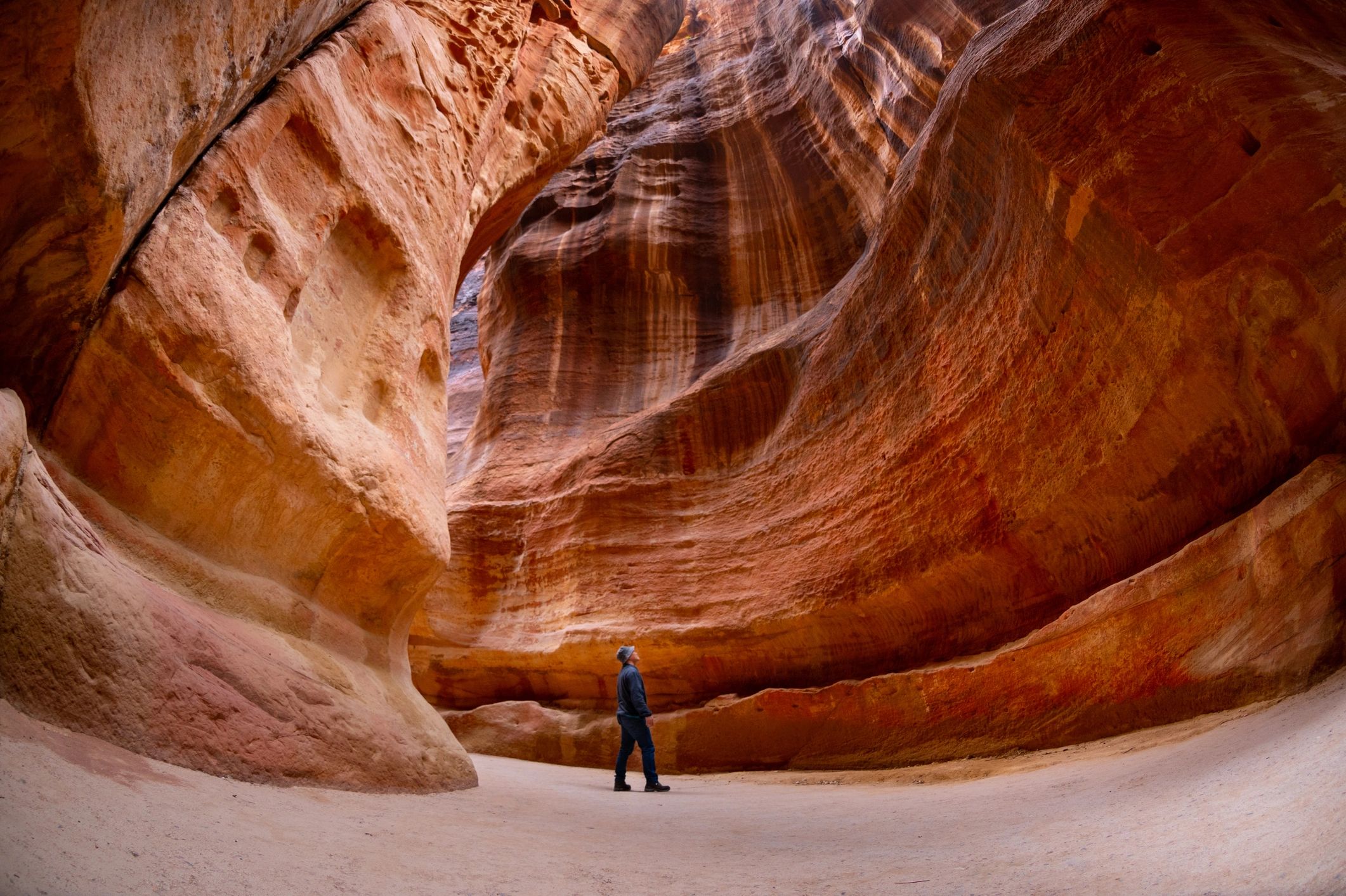
Step Into the Ancient World of Petra: A Timeless Journey Through Jordan’s Rose-Red City
Hidden within the rugged desert canyons of southern Jordan, Petra emerges as one of humanity’s most awe-inspiring archaeological treasures. Carved directly into vibrant rose-red sandstone cliffs by the ingenious Nabateans over 2,000 years ago, this “Lost City” served as a thriving hub of trade, culture, and engineering long before its rediscovery by the Western world in 1812. As a UNESCO World Heritage site and distinguished member of the New Seven Wonders of the World, Petra stands not only as a symbol of Jordan’s rich history but as a must-see destination for global explorers.
Visitors are immediately captivated by the narrow Siq—a dramatic, winding gorge that builds anticipation before revealing the iconic Treasury (Al-Khazneh) in full splendor. But Petra is far more than a single monument. The site spans over 100 square kilometers, featuring tombs, temples, a Roman-style theater, and high-elevation altars accessible via challenging but rewarding hikes.
Understanding Petra begins with recognizing its role as a crossroads of ancient civilizations, where Arabic, Hellenistic, and Persian influences merged. For modern travelers, navigating Petra successfully means planning around climate, crowd patterns, and trail difficulty. Early morning visits help beat desert heat and peak tourist hours, while multi-day tickets allow deeper exploration of lesser-known gems like the Monastery (Ad-Deir) and High Place of Sacrifice.
Whether you’re drawn by historical curiosity, photographic pursuits, or spiritual reflection, Petra offers an unparalleled journey into the heart of the ancient world.
Your Step-by-Step Guide to Visiting Petra Like a Pro
Planning a trip to Petra, Jordan? Follow this expert walkthrough to ensure a seamless and memorable visit to one of the world’s most iconic archaeological wonders.
1. Choose the Best Time to Visit
Aim for spring (March–May) or autumn (September–November) when temperatures are mild and crowds are thinner. Summer brings intense heat, while winter can be chilly, especially in the early morning and evening.
2. Arrange Your Transportation
Fly into Amman’s Queen Alia International Airport, then drive south (3–4 hours) or take a JETT bus to Wadi Musa, the town adjacent to Petra. Taxis and private transfers are reliable options, and many travelers combine Petra with a stop in Aqaba or the Dead Sea.
3. Check Entry Requirements Early
Most nationalities need a visa, which can be obtained on arrival or in advance. Ensure your passport has at least six months of validity. Travelers on organized tours may qualify for reduced or free visas.
4. Select the Right Ticket Type
Petra offers tiered entry passes: one-day (JD 50), two-day (JD 55), and three-day (JD 60). If you plan to hike to the Monastery early and explore the main site later, the two-day pass is ideal. Jordan Pass holders get visa coverage and free site entry—highly recommended.
5. Plan Your On-Site Strategy
Enter early to beat crowds and heat. Start with the Siq and Treasury, then move toward the Street of Facades, Royal Tombs, and climb to the Monastery if hiking. Wear sturdy shoes—the terrain is uneven and involves long walks and stairs.
6. Stay Hydrated and Protected
Carry a refillable water bottle, sunscreen, and a hat. There are few shaded areas, and hydration is critical. Small kiosks inside sell snacks and drinks, but prices are higher.
7. Consider a Local Guide
Certified guides at the entrance can enrich your experience with stories about Nabatean history, architecture, and hidden details often overlooked. A guided tour helps maximize your time and deepen cultural understanding.
Discover Petra’s Crown Jewels: 5 Unmissable Archaeological Wonders
Exploring Petra isn’t just a journey through sandstone canyons—it’s a deep dive into Nabataean engineering, religious practices, and urban design that flourished over 2,000 years ago. For travelers seeking both awe and understanding, these five landmarks offer a powerful blend of visual drama and historical depth.
1. The Siq – Walk Through Petra’s Natural Grand Entrance
This narrow, winding gorge serves as the dramatic approach to Petra’s inner sanctum. Carved by millennia of water erosion, the Siq’s towering walls rise up to 80 meters, with sections narrowing to just a few feet across. Along the path, remnants of an ancient water conduit system—once vital to Petra’s survival in the arid landscape—are still visible. The controlled single-file passage was no accident; the Nabataeans designed it to build anticipation before revealing the Treasury. Watch for ceremonial niches carved into the rock face, once housing votive statues.
2. Al-Khazneh (The Treasury) – Decipher the Facade’s Symbolic Language
Emerging from the Siq, the first glimpse of Al-Khazneh is unforgettable. This ornate Hellenistic-style façade, carved directly into rose-red sandstone, was likely a royal tomb or ceremonial monument. Its name (“Treasury”) comes from Bedouin folklore claiming it once held hidden wealth. Study the architectural details: Corinthian columns, divine figures like Isis and Amun, and a crown bearing bull horns and a celestial disk—all reflecting a fusion of Egyptian, Greek, and local traditions. The structure’s preserved acoustics also suggest ritual chanting may have echoed here.
3. Ad-Deir (The Monastery) – Conquer the Climb for Iconic Views
Larger than the Treasury, the Monastery rewards those willing to ascend over 800 rock-cut steps carved into Jabal al-Madhbah. This remote ceremonial site features a simpler, more austere façade with a massive rectangular doorway. Its size and isolated location indicate it was used for large gatherings, possibly linked to solar worship. Bring water and a hat—this exposed trail offers minimal shade. Arrive early to avoid the midday heat and enjoy the panoramic vista from the terrace, where once-only priests may have observed celestial events.
4. The Royal Tombs – Decode Status Through Stone Carving
Clustered along the eastern cliffs, these grand sepulchers—including the Urn, Silk, Corinthian, and Palace Tombs—showcase how elite families displayed power through funerary architecture. Each tomb varies in design, with elaborate crowns, columns, and inscriptions signifying the occupant’s status. The Silk Tomb, named for its swirling mineral streaks, demonstrates how natural geology influenced aesthetic perception. These were not just resting places but public statements visible across the city, reinforcing dynastic legacy in Petra’s social hierarchy.
5. The High Place of Sacrifice – Stand Where Ancient Rituals Unfolded
Reached via a steep climb from the Monastery path, this flat summit offers strategic views of the entire basin—and insight into Petra’s spiritual geography. Archaeologists have uncovered altars, oblation tables, and a processional route, suggesting the site was used for open-air worship, possibly including animal offerings. Its elevation aligns with solar and lunar cycles, emphasizing the Nabataeans’ astronomical knowledge. Walk the ceremonial path mindfully; the worn flagstones echo with centuries of ritual footsteps.
Your Top Questions About Visiting Petra—Answered
Planning a trip to Petra, Jordan’s ancient Rose City, brings up plenty of questions—especially for first-time visitors navigating cultural norms, terrain, and preservation efforts. Here’s what you need to know to travel with confidence and respect for this UNESCO World Heritage Site.
Is Petra safe for international travelers?
Yes, Petra is widely regarded as safe for tourists. Jordan maintains strong tourism infrastructure, and the region around Petra is well-patrolled with a visible tourism police presence. Standard travel precautions apply: avoid displaying valuables, stay on designated paths, and book excursions through reputable providers. Political stability in the region makes Petra accessible year-round for most nationalities.
Are guided tours worth it at Petra?
Absolutely. Licensed local guides provide context on Nabatean engineering, water systems, and religious practices that bring the ruins to life. They also help you navigate the vast site efficiently and may point out lesser-known carvings or viewpoints. Opt for certified guides available at the visitor center or through licensed tour operators.
How physically demanding is exploring Petra?
Petra requires moderate to high physical exertion. The main trail to the Treasury spans 1.2 km (0.75 miles) over uneven stone, and side hikes like the Monastery involve steep climbs with over 800 steps. Wear supportive footwear, carry water, and pace yourself—especially during summer months when temperatures exceed 35°C (95°F).
What cultural etiquette should visitors follow in Petra?
Dress modestly—shoulders and knees covered—to respect local customs. Always ask permission before photographing local Bedouin communities. Refusing tea when offered may be seen as rude; accepting briefly shows appreciation. Avoid loud noises near sacred or spiritual areas.
How can I support sustainable tourism in Petra?
Stick to marked trails to protect fragile rock surfaces and erosion-prone paths. Bring a refillable water bottle—hydration stations are available. Avoid touching carved facades, and never remove stones or leave marks. Supporting local artisans and licensed guides helps sustain community-based tourism.
Leave Only Footprints: Honoring Petra’s Legacy with Purpose
As your journey through Petra concludes, reflect on the timeless echoes of the Nabataeans—their ingenuity carved into rose-red sandstone, their water channels still whispering of ancient engineering brilliance. This UNESCO World Heritage site isn’t just a backdrop for photographs; it’s a living archive of human resilience, trade, and cultural fusion in the heart of Jordan’s desert landscape. To truly honor Petra’s significance, approach your visit with reverence and intention.
Begin by planning your trip during shoulder seasons—spring (March–April) or autumn (October–November)—when temperatures are mild and crowds thinner, enhancing both comfort and connection to the site. Arrive early to witness the Treasury at sunrise, when golden light breathes life into its façade without the midday haze.
Practice sustainable exploration: stay on marked trails to prevent erosion, avoid touching carved surfaces to preserve fragile stone, and carry reusable water bottles to minimize plastic waste. Support local economies by purchasing handcrafted goods directly from artisans in Wadi Musa, where traditional beadwork and stone carvings reflect generations of heritage.
Educate yourself before you go—understanding Nabataean history, Petra’s role as a crossroads of ancient trade routes, and its astronomical alignments adds depth to every step. Respect local customs, conserve water in your accommodations, and choose eco-conscious tour operators who prioritize cultural preservation.
Let your visit be more than sightseeing—make it stewardship. Plan thoughtfully, travel respectfully, and carry forward the quiet awe that only a place as profound as Petra can inspire.
Discover more from UnzipWorld: DIY, E-commerce, Fashion & Tech Insights
Subscribe to get the latest posts sent to your email.