
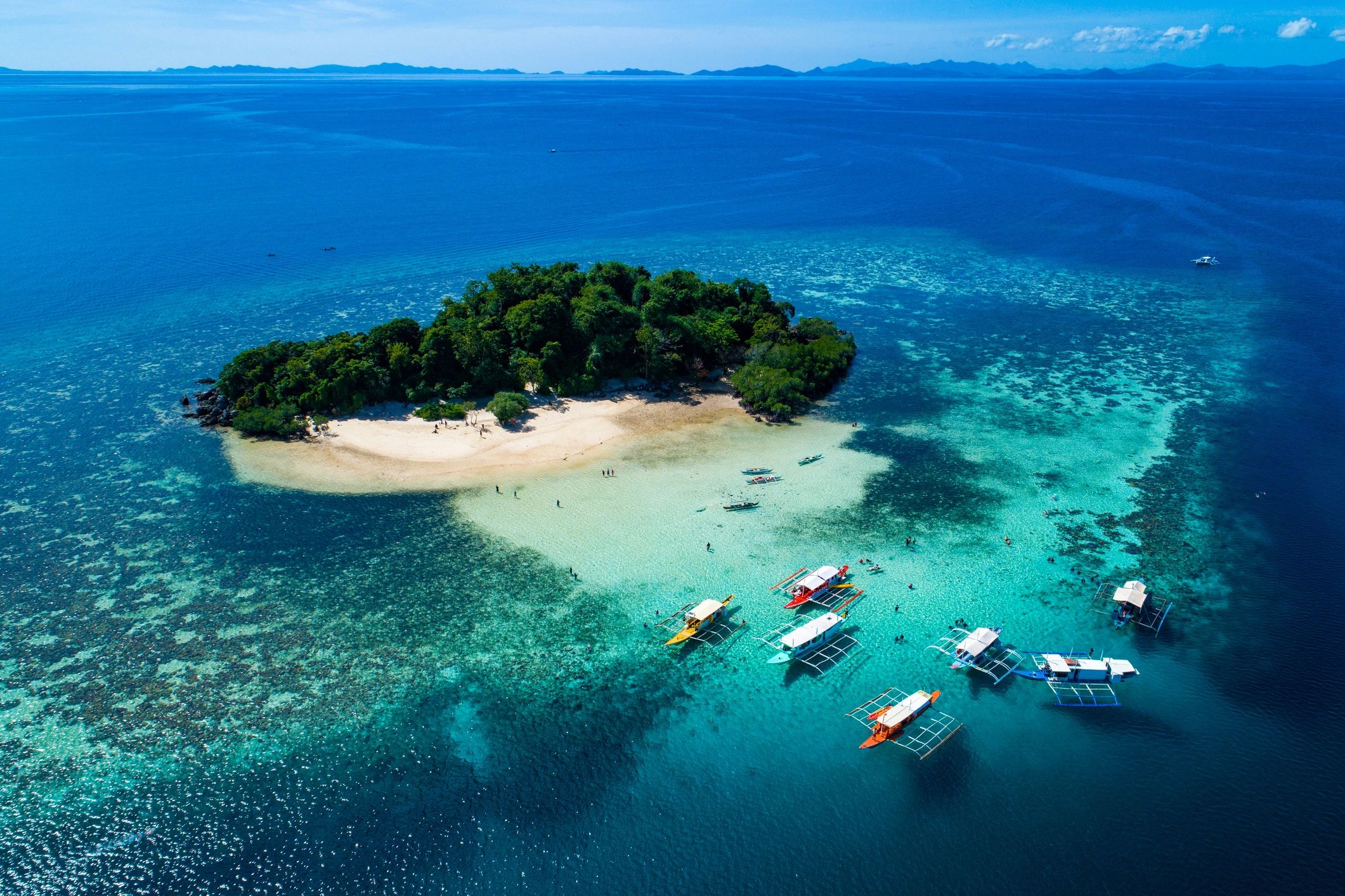
Discover the Rugged Beauty of Coron, Palawan
Tucked away in the remote reaches of northern Palawan, Coron has evolved from a well-kept secret into one of the Philippines’ most sought-after island escapes. Known for its dramatic limestone karsts rising from glassy lagoons, this tropical haven offers more than just postcard-perfect views—it’s a living playground for divers, hikers, and cultural explorers alike. With over a dozen world-class wreck diving sites from World War II, Coron stands out as a bucket-list destination for underwater enthusiasts seeking both history and marine biodiversity.
But you don’t need to be a certified diver to fall in love with Coron. The region’s emerald-green lakes, like Kayangan and Barracuda, offer some of the clearest freshwater swimming in Southeast Asia, while nearby mangrove forests and cliffside trails invite eco-conscious travelers to explore responsibly. Sustainable tourism practices are increasingly important here, as fragile coral ecosystems and indigenous land management systems require mindful visitation.
In this guide, you’ll learn how to navigate Coron’s top attractions, plan island-hopping tours that align with seasonal conditions, and engage respectfully with local communities. From choosing the right gear for muck diving to understanding weather patterns that impact ferry access, this deep dive equips you with practical insights to make the most of your Palawan journey.
Your Step-by-Step Guide to Planning the Perfect Coron Adventure
Planning a trip to Coron, Palawan takes a bit of strategy, but with the right steps, you can ensure a seamless and eco-conscious island-hopping experience. Start by choosing the ideal time to visit—the dry season from November to May offers calm seas, clear waters, and optimal snorkeling conditions. Avoid the monsoon-heavy months of July to September when boat tours are often canceled due to rough weather.
Next, arrange your transport: fly into Francisco B. Reyes Airport (USU) on Busuanga Island, then take a van or booked shuttle to Coron Town—around a 45-minute drive. Ferries and flights connect from Manila, Cebu, and Puerto Prinsesa, so compare departure days and landing times to minimize overnight waits.
When selecting accommodations, opt for eco-lodges or locally owned guesthouses near the town center or jump-off points like Maquinit or Banana Beach for easy access to tours. Book in advance during peak season to secure spots.
Packing wisely is crucial: bring reef-safe sunscreen, a reusable water bottle, quick-dry clothing, a waterproof bag, and biodegradable toiletries. Respect marine regulations by avoiding single-use plastics and never touching coral.
Finally, choose certified island-hopping operators who follow Palawan’s sustainable tourism guidelines, stick to marked trails, and brief guests on no-touch, no-trace snorkeling ethics. Booking your tour at least a week early ensures availability and supports responsible planning.
Top 5 Must-See Attractions in Coron for the Ultimate Island Adventure
Coron Palawan is a paradise carved by nature’s finest craftsmanship, where emerald waters meet rugged limestone cliffs and hidden lagoons whisper secrets of untouched beauty. For travelers seeking both thrill and serenity, these five iconic spots deliver unforgettable experiences rooted in the region’s unique geology and marine biodiversity.
-
Kayangan Lake – The Clearest Lake in Asia
Famous for its staggering water clarity, this limestone lake invites swimmers and photographers alike. Surrounded by towering karst walls, its glass-like surface reflects the sky, creating surreal visuals. Always swim with reef-safe gear to preserve its delicate ecosystem. -
Barracuda Lake – A Diver’s Thermocline Playground
This deep, stratified lake features dramatic temperature shifts and eerie underwater rock formations. Certified divers explore its haunting beauty where warm surface water plunges into cooler depths, attracting barracuda and endemic species. -
Malcapuya Island – Pristine Beach Bliss
With powdery white sand and turquoise shallows, this island is ideal for sunbathing, paddleboarding, or island-hopping tours. Its minimal development ensures an unspoiled experience—pack eco-friendly essentials and carry out all waste. -
Twin Lagoon – A Natural Wonder of Dual Waters
Swim through a narrow crevice connecting two contrasting lagoons—one open to the sky, the other cave-like. Snorkelers spot reef fish in the shallows, while cliff jumpers test their courage from safe ledges. -
Skeleton Wreck – History Beneath the Waves
Explore a partially submerged Japanese wartime shipwreck teeming with coral and marine life. Ideal for advanced snorkelers and divers, it offers a haunting yet vibrant glimpse into Coron’s wartime past and reef regeneration.
These destinations not only define Coron’s appeal but also highlight the importance of sustainable tourism in preserving Philippine island ecosystems.
Your Essential Coron Travel Questions Answered
Is Coron Palawan safe for tourists?
Coron is widely regarded as a safe destination for domestic and international travelers. The island maintains a visible presence of local authorities, especially in main tourist zones like Barangay Calauit and Coron Town. Stick to established areas, avoid isolated spots at night, and secure valuables when swimming or hiking. Marine activities are overseen by licensed operators who follow safety protocols, and health facilities are accessible in town.
Do I need a permit to visit Coron’s tourist sites?
Yes, all visitors must obtain an Environmental Fee and Tourist Entry Fee upon arrival. These are typically included in your boat tour package or can be paid at registration kiosks in town. Additional permits are required for specific sites like Kayangan Lake and Barracuda Lake, managed under Coron’s Sustainable Tourism Ordinance to limit daily access and protect fragile ecosystems.
Are swimming and snorkeling regulated in Coron?
Absolutely. To preserve marine life, swimming is only allowed in designated zones. In lakes such as Kayangan and Luluyuan, marked buoys outline safe swimming boundaries. Touching or stepping on corals is strictly prohibited, and protective reef-safe sunscreen is required. Lifeguards and dive marshals monitor high-traffic areas to ensure compliance.
What marine conservation rules should I follow?
Visitors must adhere to a strict “no trace” policy: no touching, feeding, or chasing marine life; no littering; and no collection of shells, corals, or rocks. Anchoring on reefs is banned—boats use eco-friendly mooring systems. Spearfishing and net fishing are prohibited in protected zones, and single-use plastics are being phased out across the municipality.
How can I respect local culture while visiting?
Practice humility and mindfulness around Indigenous communities like the Tagbanua people. Always ask permission before photographing locals or sacred sites. Remove footwear when entering homes, participate respectfully in community events, and support local livelihoods by purchasing handmade handicrafts and native food products.
Leave Only Footprints, Take Only Memories: Traveling Responsibly in Coron
As your Coron adventure comes full circle, remember that this island paradise thrives because of its delicate marine ecosystems, vibrant coral reefs, and rich cultural heritage. The same breathtaking lagoons and limestone karsts that draw travelers from across the globe are fragile environments that demand mindful exploration. To ensure future generations experience Coron in all its untouched beauty, adopt sustainable travel practices that prioritize conservation over convenience.
Begin by choosing eco-conscious tour operators who follow carrying capacity limits, avoid anchoring on coral, and provide reef-safe sunscreen. When snorkeling or diving, maintain a respectful distance from marine life—never touch, feed, or chase sea turtles and corals. Stick to designated trails when hiking to Kayangan Lake or Mount Tapyas to prevent soil erosion and protect native flora.
Reduce single-use plastics by carrying a reusable water bottle, snorkel set, and eco bag. Opt for accommodations that implement water conservation and waste segregation. Support local livelihoods by dining at community-run eateries and purchasing handmade crafts directly from artisans.
Respect sacred sites like old Japanese shipwrecks and ancestral zones by observing quietly and photographing responsibly. Let your presence be a positive force—volunteer in coastal cleanups or participate in mangrove reforestation programs if time allows. By traveling with intention and care, you become a steward of Coron’s natural legacy. Plan your return—not just for more sunsets at Siete Pecados, but to witness the lasting impact of respectful, regenerative tourism.
Discover more from UnzipWorld: DIY, E-commerce, Fashion & Tech Insights
Subscribe to get the latest posts sent to your email.