
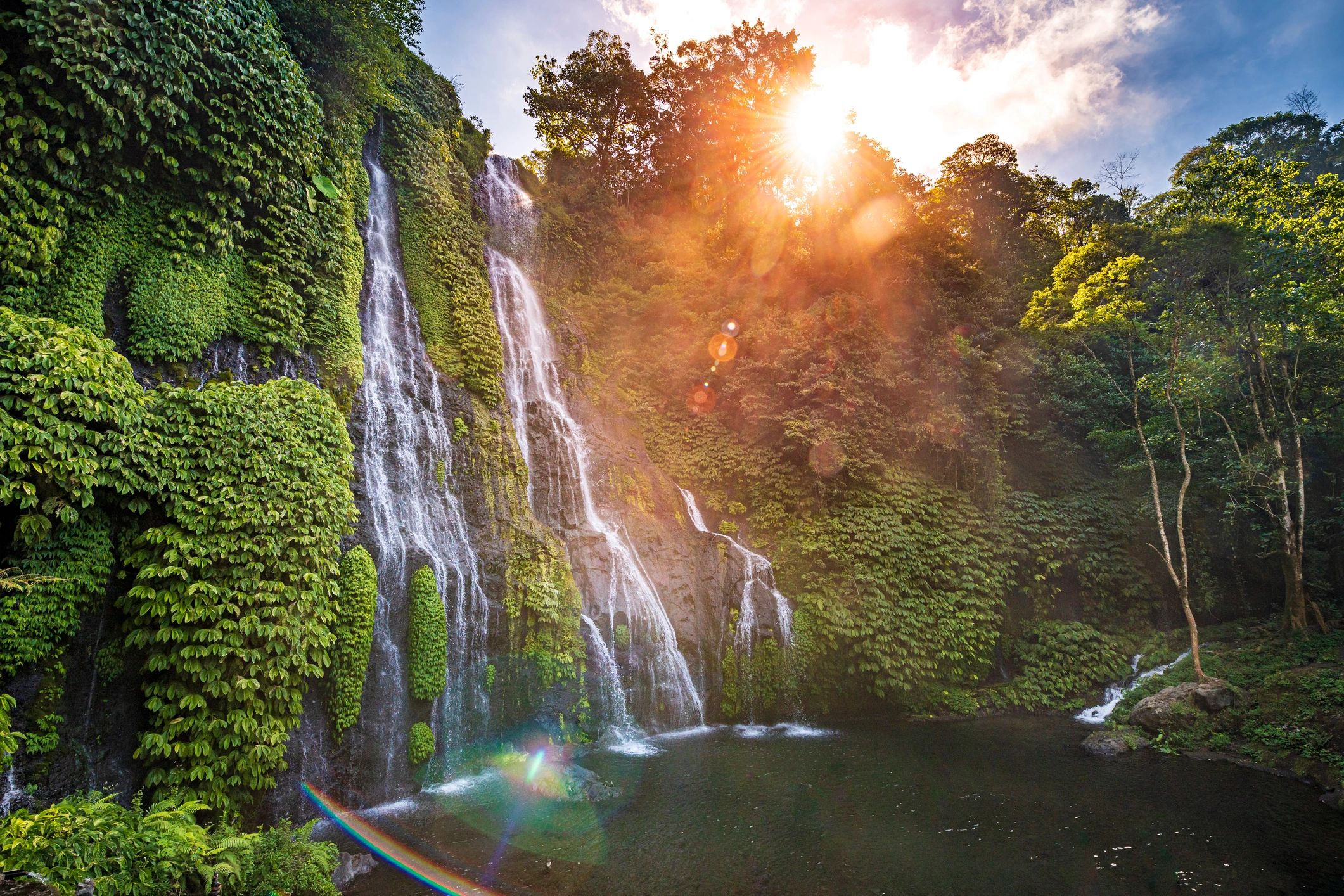
Where Jungle, Rain, and Volcanoes Collide to Create Bali’s Most Breathtaking Waterfalls
Bali isn’t just about beaches and temples—its interior pulses with raw natural energy, where emerald jungles cascade down volcanic slopes, fed by near-daily tropical downpours. This unique blend of geological drama and life-sustaining rainfall creates the ideal environment for one of the island’s most awe-inspiring features: its waterfalls. Scattered across the highlands of Ubud, Bangli, and Karangasem, these cascading wonders are born from ancient lava flows, shaped by centuries of erosion, and nurtured by Bali’s rich spiritual connection to water.
More than just scenic stops, these falls are part of a living ecosystem supported by subak—the traditional Balinese irrigation system that harmonizes agriculture with nature. This same reverence for water as sacred (tirta) means many waterfalls are integrated into temple complexes or protected zones, preserving their purity and cultural significance.
For travelers, exploring these falls offers more than a cool dip—it’s a chance to witness Bali’s soul beyond the coast. Whether you’re navigating moss-covered river trails to hidden single-drop chasms or marveling at multi-tiered falls like Gitgit and Sekumpul, understanding the terrain and seasonal flow patterns ensures a safe, rewarding adventure. In the following sections, you’ll discover not just where to go, but how to travel responsibly, what to pack, and when to visit for optimal conditions.
43 Must-Visit Waterfalls in Bali: A Curated Journey Through Nature’s Masterpieces
Bali’s lush interior is dotted with cascading wonders that blend natural beauty, cultural significance, and adventurous access. Whether you’re chasing the thunderous roar of popular falls or seeking secluded retreats tucked behind emerald rice fields, this island delivers unforgettable moments at every turn. Below is a carefully curated list of 43 of the most breathtaking waterfalls across Bali—complete with practical tips to enhance your exploration and respect for local ecosystems.
-
Sekumpul Waterfall – The Jewel of North Bali
This multi-tiered cascade surrounded by jungle-clad cliffs demands a short trek but rewards with powerful views and refreshing dips. Visit early to avoid crowds and slippery rocks after rainfall. -
Gitgit Waterfall – Easily Accessible Jungle Gem
Located in Singaraja, Gitgit offers a well-maintained path and iconic photo ops. The surrounding forest stays cool and misty—ideal for tropical escape. -
Twin Falls (Aling-Aling) – Hidden Powerhouse Near Gitgit
A lesser-known duo of drops perfect for experienced swimmers. Strong currents mean only confident travelers should venture near the base. -
Tibumana – Serene Escape Near Nunggu
Soft cascades flow into calm pools, surrounded by sacred statues and quiet trails. Arrive by mid-morning for soft light and fewer visitors. -
Nung Nung – Quiet Beauty En Route to Kintamani
A slender 50-meter drop tucked beside the roadside, often missed. The short descent opens to peaceful vibes and misty breezes. -
Kanto Lampo – Unique Rock Formations & Swimming Holes
Famous for its cascading water sliding over grooved granite slabs, creating natural water runoffs perfect for playful exploration. -
Tukad Cepung – Sunbeam Wonder Inside a Cave
Visit midday when sunlight pierces the cavern, illuminating the turquoise pool. No flash photography to preserve the sacred ambiance. -
Banyumala Twin Waterfalls – Shaded Cascades with Black Lava Rock
Popular among photographers, this twin drop features a wide curtain effect framed by mossy basalt. -
Sangsang Waterfall – Rugged Coastal Climb with Ocean Views
For adventurers only—steep rock climbing required. Reward: isolation and panoramic sea glimpses. -
Neloni Munduk – Peaceful Tiered Falls in a Quiet Village
Often skipped by tour groups, this three-step cascade flows through terraced jungle with shallow pools ideal for cooling off.
Each waterfall offers more than just scenery—many are part of local subak (irrigation) systems or sit near pura (temples), underscoring Bali’s deep spiritual connection to water. Always observe local customs: wear respectful clothing near sacred zones and avoid loud behavior.
Plan your visits during the dry season (April–October) for safer trails and clearer waters. Hire local guides where permitted—they support community tourism and enhance safety. Pack non-slip shoes, water shoes, and biodegradable sunscreen to protect coral and skin alike.
Bring a dry bag for electronics and use designated paths to prevent erosion. Many falls lack railings—exercise caution, especially around wet rocks.
By visiting mindfully and spreading tourism across lesser-known sites, you help preserve Bali’s natural splendor for future travelers and local communities alike.
When and How to Safely Explore Bali’s Most Stunning Waterfalls
Discovering Bali’s breathtaking waterfalls begins with smart planning and proper preparation. Follow this step-by-step guide to ensure a safe, enjoyable, and rewarding experience in the island’s lush interior.
1. Choose the Optimal Time to Visit
Aim for Bali’s dry season—April through October—when trails are less slippery and water visibility is clearer. Mornings, shortly after sunrise, offer the best lighting for photos and fewer crowds at popular falls like Sekumpul or Tibumana.
2. Understand Regional Climate Patterns
Eastern and central highland areas—home to Gitgit and Aling-Aling—receive more rainfall than southern beaches. Always check local forecasts; sudden downpours can trigger flash floods, especially near NungNung or Jembong.
3. Plan Access to Remote Waterfalls
Many falls require off-road transport. Rent a scooter or hire a local driver with 4×4 experience for rugged terrain leads to hidden gems in Penglipuran or Sidemen. Early booking avoids last-minute challenges.
4. Wear Proper Footwear
Invest in grippy, water-resistant hiking sandals or trail shoes with ankle support. Avoid flip-flops—wet rocks are deceptively slick. Dry bags and quick-dry clothing help manage unexpected splashes.
5. Prioritize Safety at All Times
Never swim directly under waterfalls due to falling debris risk. Stick to marked paths, follow signage, and heed local warnings. Always travel with a buddy, especially in isolated regions.
By planning wisely and respecting nature’s power, you’ll safely uncover Bali’s most mesmerizing cascades.
Your Essential Bali Waterfall Questions Answered
Is it safe to swim at Bali’s waterfalls?
Swimming is permitted at many of Bali’s popular waterfalls, but conditions vary. Always assess flow rate, water depth, and submerged rocks before entering. Guided tours often include safety briefings, and lifeguards are present at major sites like Sekumpul and Tegenungan. Avoid swimming during or after heavy rains when currents can become dangerous.
What photography tips should I know for waterfall visits?
Use a polarizing filter to reduce water glare and enhance color contrast in bright tropical light. A waterproof case or dry bag protects your gear from mist. For long-exposure shots, a tripod helps capture smooth water effects—ideal during early morning when crowds are thinner and lighting is soft.
Are there cultural etiquette rules at Balinese waterfalls?
Yes. Many waterfalls are near sacred sites or temples. Dress modestly when near religious areas, and avoid loud behavior. It’s customary to observe quiet reverence, especially at spiritually significant locations like Gitgit or Aling-Aling, which are tied to local rituals.
Do I need a permit to enter waterfall attractions?
Most waterfalls require a small entrance fee, typically covering maintenance and local community support. Fees are collected on-site or included in guided tour packages. Some remote falls, like those in the Munduk or Trunyan regions, may require local guide hiring as part of access rules.
How can I practice eco-tourism at Bali’s waterfalls?
Stick to marked trails to prevent erosion, carry out all trash, and avoid using soap or sunscreen directly in waterfall pools. Support conservation by choosing tour operators who uphold sustainable practices and educate guests on protecting Bali’s natural water systems.
Travel with Purpose: Preserving Bali’s Waterfall Wonders for Future Generations
Exploring Bali’s most breathtaking waterfalls offers more than just memorable photo ops—it’s an invitation to connect with nature, culture, and the deeper spirit of adventure. From the towering cascade of Sekumpul to the serene plunge pools of Tukad Cepung, each destination highlights the island’s rich geology, spiritual traditions, and thriving ecosystems. But with increased visitation comes greater responsibility. These natural treasures are fragile, shaped by centuries of balance that can be disrupted by careless tourism.
To travel responsibly, start by following local guidelines at each waterfall site—many are privately managed by village cooperatives committed to conservation. Stick to marked paths to prevent erosion, avoid loud noises near sacred zones, and never leave trash behind. Carry reusable gear like water bottles and eco-friendly sunscreen to minimize plastic waste and chemical runoff that harms aquatic life.
Support sustainability by choosing tours operated by community-based organizations and paying entrance fees directly to local stewards. These contributions fund trail maintenance, reforestation, and cultural preservation. Respect ceremonial areas by dressing modestly and asking before photographing offerings or temple grounds.
Your visit can make a lasting positive impact—consider joining a volunteer clean-up or donating to watershed conservation programs. By traveling mindfully, you help protect Bali’s waterfalls not just as attractions, but as living parts of the island’s heritage. Plan your journey with respect, and return home with more than memories—carry the commitment to be a guardian of nature’s wonders.
Discover more from UnzipWorld: DIY, E-commerce, Fashion & Tech Insights
Subscribe to get the latest posts sent to your email.