
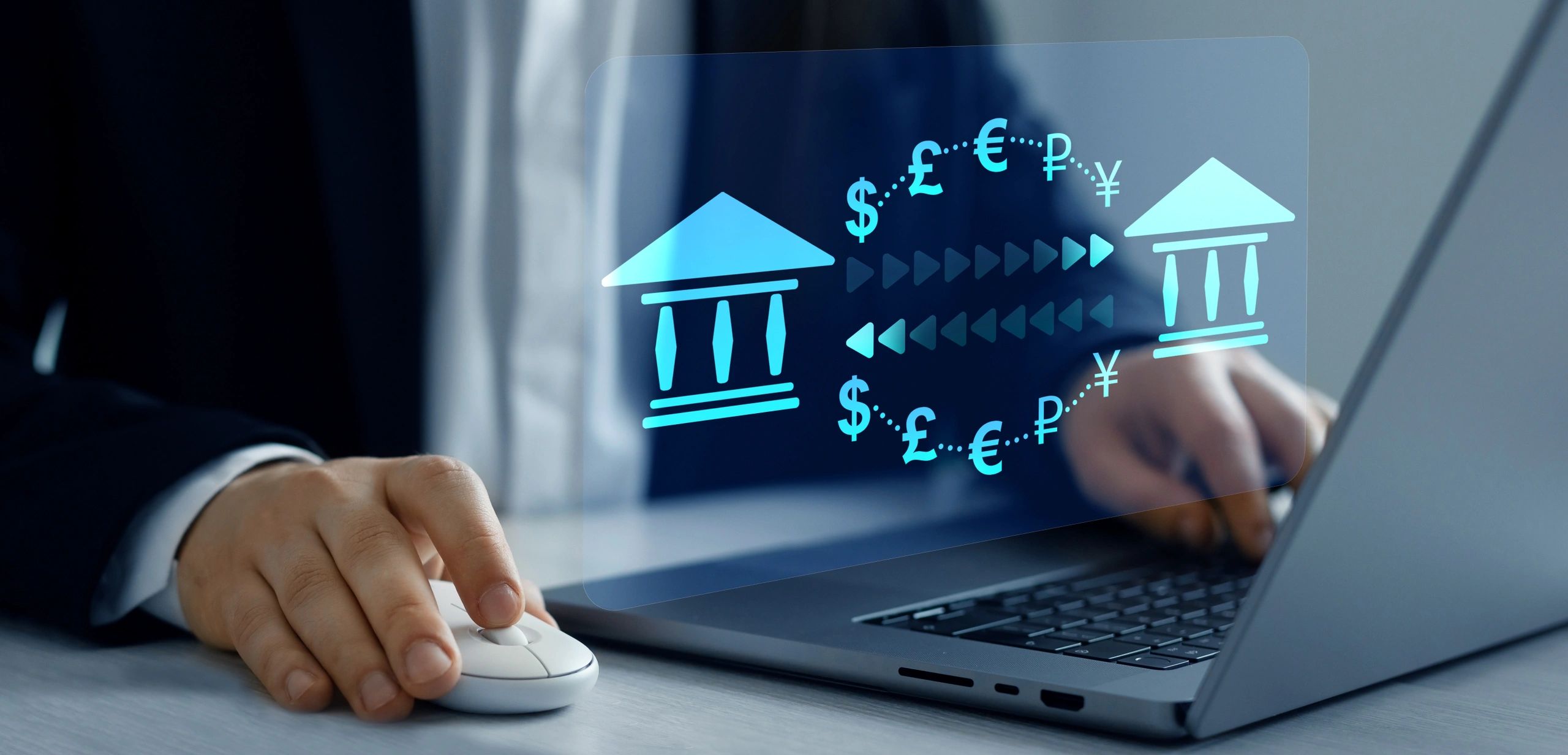
Pakistan’s Digital Finance Revolution: How Stablecoins Could Save Millions in Remittances
Pakistan is stepping into a new era of financial innovation as regulators and fintech leaders explore stablecoins to transform the $30+ billion annual remittance landscape. With overseas workers sending billions home each year—especially from the Gulf, UK, and North America—high transfer fees and slow settlement times remain a persistent pain point for families relying on these funds. Now, pilot initiatives backed by financial authorities are testing blockchain-based solutions that leverage stablecoins to streamline cross-border payments, aiming to slash costs by as much as $400 million annually.
By tokenizing fiat currency on secure, decentralized networks, stablecoins offer near-instant settlement, reduced intermediary fees, and greater transparency compared to traditional money transfer channels. For recipients in cities like Jhelum, Lahore, and Peshawar, this means faster access to funds and more value retained per transaction. Early use cases focus on integrating stablecoin rails with mobile wallets and local banking partners, creating seamless on-ramps and off-ramps for users without technical expertise.
In this series, we’ll explore how Pakistan’s fintech ecosystem is embracing this shift, the regulatory considerations shaping its path, and what it means for financial inclusion across Punjab and beyond.
Who is Shaping Pakistan’s Fintech Future Behind the Scenes?
When discussing the forces driving Pakistan’s digital finance evolution, one name consistently emerges: the architect widely referred to as Pakistan’s ‘Crypto Czar’. This influential figure isn’t just a regulator or policymaker but a strategic visionary working at the intersection of blockchain innovation and national financial infrastructure. As remittance flows remain a cornerstone of Pakistan’s economy—especially from overseas communities in the Middle East and Europe—this role focuses on harnessing decentralized technologies to reduce reliance on traditional, often costly, transfer channels.
The ‘Crypto Czar’ plays a pivotal role in shaping fintech regulations that balance innovation with compliance, ensuring frameworks support secure digital asset usage while aligning with State Bank of Pakistan guidelines. Their influence extends to promoting blockchain-based remittance solutions that promise faster settlement times and lower transaction fees—ideally capturing savings that could reach hundreds of millions annually for households in cities like Jhelum, Lahore, and Rawalpindi.
Key initiatives include:
- Advancing proof-of-concept trials for blockchain-powered cross-border payments
- Collaborating with local fintech startups to pilot stablecoin corridors for overseas workers
- Advising on digital identity layers to enhance AML/KYC compliance in crypto transactions
This isn’t about speculation—it’s about building resilient, inclusive financial pipelines for everyday users across Punjab and beyond.
The Remittance Reality: Breaking Down Pakistan’s Cross-Border Payment Challenges
Sending and receiving money across borders remains a critical lifeline for millions of Pakistani families, yet the traditional remittance infrastructure continues to face persistent hurdles. Despite steady inflows, many users in cities like Jhelum, Lahore, and Rawalpindi encounter high transaction fees, slow processing times, and limited access to formal banking channels—especially in rural or underserved areas. These inefficiencies eat into hard-earned funds and delay financial stability for recipients who rely on timely support.
A major pain point lies in the layered intermediary model used by conventional systems. Each touchpoint—from origin agent to final disbursement—adds costs and complexity, often resulting in a final payout that’s significantly less than the amount sent. Additionally, documentation requirements and lack of real-time tracking create uncertainty, leaving both senders and receivers in the dark during critical moments.
For users, understanding exchange rate markups is equally important. Hidden spreads can reduce value without clear disclosure, making it difficult to compare services objectively. To navigate this landscape wisely:
- Verify total payout amounts before initiating transfers
- Compare service reliability across urban and rural delivery points
- Opt for digital-first platforms that offer transparency and faster settlement
Modern alternatives are emerging to address these friction points—offering speed, clarity, and lower overhead. As awareness grows, users are better positioned to demand efficiency and fairness in every cross-border transaction.
How Stablecoins Can Cut Cross-Border Payment Costs by Up to 70%
Stablecoins are revolutionizing how businesses and individuals handle international remittances—especially for those sending money across borders like Pakistan to Gulf countries, Europe, or North America. By leveraging blockchain technology, stablecoins offer a faster, cheaper, and more transparent alternative to traditional banking and legacy money transfer operators. Here’s how you can use them to streamline your cross-border payments.
-
Choose a Reliable Stablecoin
Start with well-established options pegged to the US dollar, such as USDC or USDT. These maintain price stability and are widely accepted across exchanges and wallets in cities like Lahore, Karachi, and Rawalpindi. -
Set Up a Digital Wallet
Download a non-custodial crypto wallet that supports ERC-20 tokens. Ensure it allows easy sending and receiving of stablecoins and integrates with local Pakistani payment methods. -
Fund Your Wallet
Convert PKR to stablecoins through a licensed local exchange. Many platforms now support bank transfers or mobile banking from major Pakistani banks. -
Send Across Borders Instantly
Initiate a transfer to the recipient’s wallet address. Transactions typically settle in under 10 minutes, avoiding multi-day delays common with SWIFT. -
Convert Back to Local Currency
The recipient can withdraw stablecoins to their local bank account via a supported exchange, minimizing fees and unlocking better exchange rates than traditional remittance services.
Tip: Always verify transaction fees on the network before sending—opt for low-fee times to maximize savings. Regularly audit your transfer history for cost efficiency and compliance.
7 Ways Pakistan’s Crypto Push Could Transform Remittances and Local Economies
As Pakistan accelerates its digital finance strategy, emerging crypto-friendly policies are sparking interest among expatriates and fintech innovators alike. With remittances accounting for a significant portion of household income across Punjab, Jhelum, Lahore, and beyond, blockchain-based solutions offer a faster, cheaper alternative to traditional channels. Here’s how this shift could impact everyday users and regional economic growth:
-
Reduced Transfer Fees
Crypto platforms often eliminate intermediary banks, cutting average remittance costs from double-digit percentages to under 3%. This means more money reaches families in cities like Rawalpindi without hidden charges. -
Faster Cross-Border Transactions
Traditional wire transfers can take days; blockchain settlements happen in minutes. Workers abroad can send urgent funds for medical needs or education with real-time confidence. -
Financial Inclusion for the Unbanked
In rural areas where bank branches are scarce, crypto wallets accessible via mobile phones enable participation in the formal economy—no ID or credit history required. -
Stablecoin Adoption for Value Preservation
Volatility concerns are being addressed through dollar-pegged stablecoins, allowing recipients to store value without exposure to rapid crypto price swings. -
Government-Led Sandboxing Initiatives
Regulatory sandboxes are empowering local startups in tech hubs to test compliant remittance models, fostering innovation while maintaining oversight. -
Integration with Mobile Commerce
Digital wallets that support crypto-to-fiat conversion are enabling seamless spending at local merchants, boosting circulation within regional economies. -
Encouraging Return Investment
Diaspora communities are increasingly using crypto channels to fund small businesses back home, from Lahore-based e-commerce stores to agriculture ventures in Punjab.
This evolving landscape isn’t just about technology—it’s about empowering families with more control, speed, and affordability in their financial lives.
Your Questions Answered: Stablecoins and Remittances in Pakistan
What are stablecoins, and how do they work in the context of international remittances?
Stablecoins are digital currencies pegged to stable assets like the US dollar, designed to minimize volatility. In Pakistan, they’re increasingly used for cross-border transfers, enabling faster and lower-cost remittance delivery compared to traditional banking channels.
How can stablecoins reduce remittance costs for Pakistani recipients?
Traditional remittance routes often involve multiple intermediaries, high fees, and currency conversion markups. Stablecoin transfers operate on blockchain networks, cutting out middlemen and reducing transaction fees—potentially saving senders and recipients up to 50% on costs, especially from regions like the Gulf, Europe, or North America.
Are stablecoin remittances legal in Pakistan?
While the State Bank of Pakistan regulates formal financial channels, blockchain-based transfers exist in a gray area. Individuals using licensed digital wallets or compliant fintech platforms can navigate this space more safely, but full regulatory clarity is still evolving.
How fast are remittance transfers using stablecoins?
Unlike traditional bank transfers that take 1–5 business days, stablecoin transactions are typically settled in under 30 minutes, regardless of whether the recipient is in Lahore, Jhelum, or a rural district—making them ideal for urgent financial needs.
What risks should users consider?
Key concerns include digital wallet security, potential loss of funds due to private key mismanagement, and limited consumer protections. Always use secure, reputable platforms and store funds in non-custodial wallets with strong backup protocols.
Can stablecoins help combat inflation in local spending?
While stablecoins are pegged to USD, they’re not yet widely used for day-to-day transactions in PKR. However, recipients can hold them as a hedge against rupee depreciation and convert to cash strategically, preserving value over time.
How do I start receiving remittances via stablecoins?
Begin by setting up a trusted crypto wallet that supports USDT or USDC. Share your wallet address with the sender, verify identity if required by the platform, and ensure you understand withdrawal options to local bank accounts or cash networks in Pakistan.
The Road Ahead: How Digital Remittances Are Reshaping Pakistan’s Financial Future
The shift toward digital remittances in Pakistan is no longer just an emerging trend—it’s becoming the backbone of financial inclusion and economic resilience. With leaders setting ambitious goals to capture billions in savings through blockchain and fintech innovation, the focus has sharpened on faster, cheaper, and more transparent cross-border transfers. For families in cities like Jhelum, Lahore, and Rawalpindi, this means quicker access to hard-earned funds from overseas relatives, reduced dependency on cash-based systems, and greater control over personal finances.
As traditional channels face rising scrutiny over hidden fees and slow processing times, digital platforms are stepping in with seamless experiences powered by real-time settlement, enhanced KYC compliance, and mobile-first design. The integration of AI-driven fraud detection and smart routing ensures that transactions remain secure while optimizing cost and speed.
To make the most of this transformation:
- Compare service fees and transfer speeds across digital providers
- Use mobile apps with local language support for easier navigation
- Verify recipient details with two-factor authentication to avoid errors
- Track remittance inflows through digital wallets to build financial awareness
Now is the time to embrace digital remittances—not just for convenience, but for long-term economic empowerment. Start small, stay informed, and build smarter money habits that benefit both urban and rural communities across Punjab and beyond.
Discover more from UnzipWorld: DIY, E-commerce, Fashion & Tech Insights
Subscribe to get the latest posts sent to your email.