
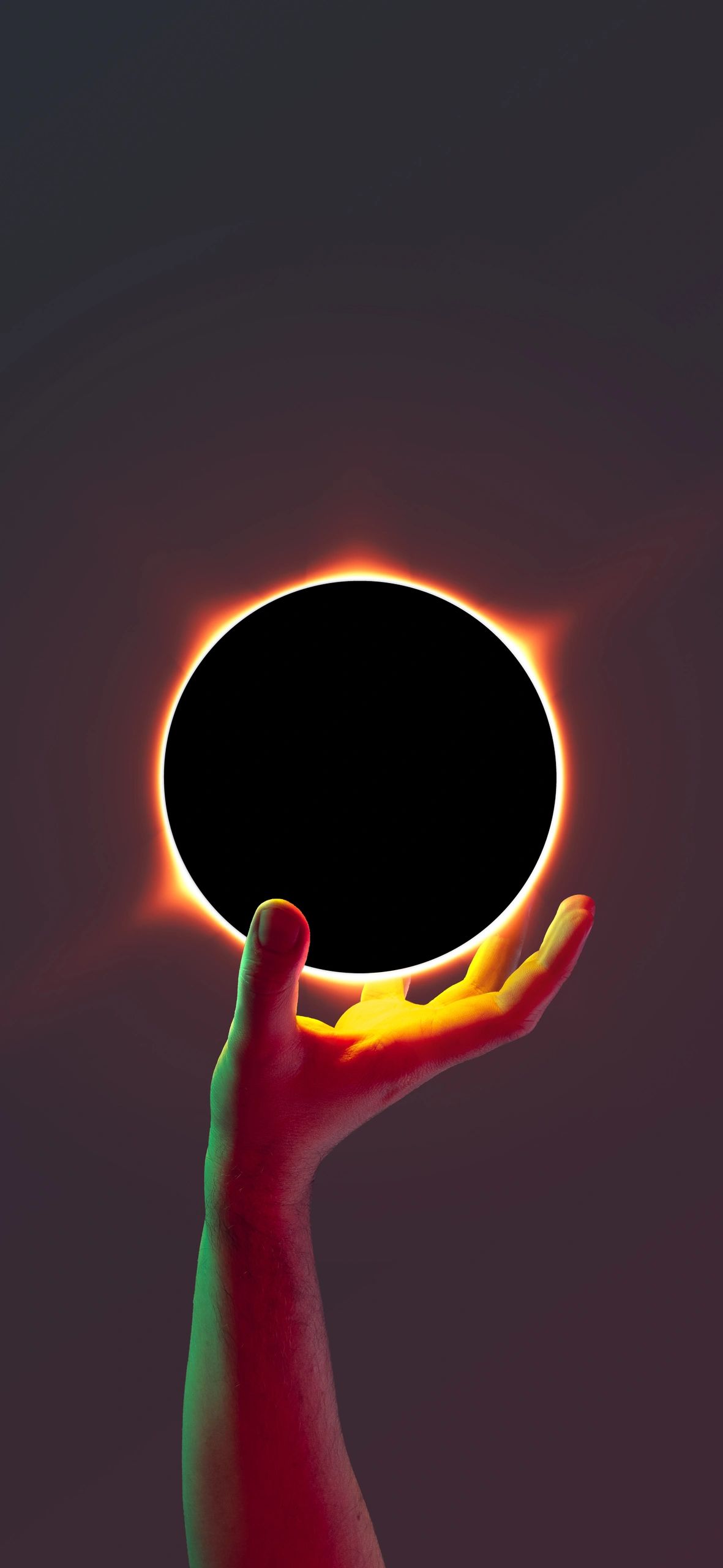
A Celestial Spectacle Awaits: Don’t Miss the 2027 Total Solar Eclipse
For skywatchers and astronomy enthusiasts, few natural events command as much awe as a total solar eclipse. On August 2, 2027, a rare and dramatic total solar eclipse will sweep across Earth’s surface, offering an unforgettable experience for those in its path. During this celestial alignment, the Moon will fully obscure the Sun, plunging regions under its shadow into temporary darkness and revealing the Sun’s shimmering corona—an ethereal halo visible only during totality.
This event stands out not only for its visual splendor but also for its narrow, precise visibility path. Unlike partial eclipses, where only a portion of the Sun is covered, a total solar eclipse delivers a transformative experience: temperatures drop, stars may appear, and animals often behave unusually. For photographers, scientists, and casual observers alike, it’s a moment that blends science, wonder, and emotion.
In the months leading up to 2027, skywatchers will begin planning travel, securing viewing locations, and preparing equipment. The best vantage points will lie within the narrow corridor of totality—spanning select regions across continents—where duration of darkness will be longest. This guide will help you understand how to safely observe the eclipse, identify prime viewing locations, and make the most of one of the decade’s most breathtaking astronomical events.
Trace the 2027 Total Solar Eclipse: Your Guide to Prime Viewing Across Continents
The path of totality for the April 8, 2027 total solar eclipse stretches across a narrow corridor of Earth where skywatchers will witness the Sun completely obscured by the Moon—an awe-inspiring celestial event lasting up to five minutes in some locations. Spanning thousands of miles, this path begins in the eastern Pacific Ocean before sweeping across North Africa, the Middle East, and Central Asia, offering a rare chance for millions to experience near-total darkness in broad daylight.
In North Africa, the first landfall occurs in Morocco, where cities like Marrakesh and Casablanca will experience partial phases, while the full spectacle unfolds in remote desert regions near the Algerian border. Moving eastward, Algeria sees the shadow pass just south of major population centers, offering clear-sky potential across arid plateaus. Further along, Tunisia and Libya present varying cloud cover risks due to coastal humidity, but inland desert zones promise optimal atmospheric stability for unobstructed viewing.
The eclipse then crosses the Mediterranean into Cyprus and Turkey, where mountainous terrain and seasonal weather patterns demand careful site planning—higher elevations above cloud layers are ideal. As the shadow advances into Syria, Jordan, Iraq, and Iran, vast stretches of open desert offer pristine viewing conditions, especially in protected basins where temperature transitions during totality create dramatic natural effects.
Finally, the path traverses Afghanistan, Pakistan, and northern India, where early morning observations will coincide with favorable dry-season weather. Viewers in the Thar Desert region along the Pakistan-India border can anticipate minimal cloud interference and extended duration of totality, making it one of the most sought-after locations for eclipse chasers worldwide.
5 Best Viewing Locations for the 2027 Total Solar Eclipse
When planning for the 2027 total solar eclipse, choosing the right location within the path of totality can make all the difference between an unforgettable experience and a weather-obscured disappointment. Prioritizing areas with historically clear skies, minimal light pollution, and accessible viewing infrastructure will maximize your chances of witnessing this rare celestial event in all its glory.
-
Western Sahara Desert – Optimal Sky Clarity
This remote stretch across North Africa offers some of the driest and clearest atmospheric conditions on Earth. With minimal cloud cover and low humidity, the desert’s expansive flatlands provide unobstructed 360-degree horizon views. Travelers should prepare for extreme temperature swings but will be rewarded with some of the highest probabilities of uninterrupted totality. -
Southern Spain – Coastal Accessibility & Stable Weather
Regions like Andalusia and Extremadura lie directly in the path of totality and benefit from Mediterranean climate patterns that favor clear skies in late summer. Cities such as Cáceres and Badajoz offer easy access to open fields, low population density, and robust transportation networks—ideal for both independent travelers and organized viewing groups. -
Southeastern Morocco – High Elevation Advantage
Mountainous areas near the Atlas range rise above coastal fog and low-lying clouds. Elevated observation points here combine altitude with dry desert air, significantly improving visibility odds. Small villages and plateaus offer secluded spaces, though travelers should account for limited infrastructure when planning logistics. -
Southern Egypt – Ancient Monuments Meet Modern Astronomy
Areas near Aswan and Abu Simbel not only deliver high sunshine ratios but also provide culturally rich backdrops for eclipse viewing. The Nubian Desert’s arid conditions and open terrain create near-perfect atmospheric stability. Many eclipse chasers combine celestial events with cultural exploration, making this a dual-purpose destination. -
Eastern Libya – Underrated Clear-Sky Zone
Though less traveled, the eastern Saharan region of Libya presents favorable meteorological conditions for eclipse observation. Vast open spaces with minimal artificial light allow for pristine viewing. Those visiting should coordinate with local guides and stay updated on regional advisories to ensure safe and responsible travel.
Choosing any of these top-tier locations increases your likelihood of experiencing the awe-inspiring moments of totality—when day briefly turns to night and the sun’s corona becomes visible in dramatic clarity.
Eclipse Chasers, Meet Your Schedule: Totality Timing by Location
For travelers planning to witness the 2027 total solar eclipse, precise timing is everything. Knowing exactly when totality begins and ends in your chosen destination ensures you’re fully prepared—camera ready, eyes protected, and emotions braced for one of nature’s most awe-inspiring displays. The path of totality crosses several key regions, each offering a unique window into this rare celestial event.
In Cairo, Egypt, viewers can expect first contact around 10:48 AM local time, with totality beginning near 11:39 AM and lasting approximately 6 minutes and 18 seconds—some of the longest duration available. By contrast, locations further east like Jabalpur, India will experience totality slightly later in the day, starting around 12:51 PM with a duration of roughly 4 minutes and 30 seconds.
Mumbai, India, just outside the central path, may only see partial coverage, emphasizing the importance of positioning. Travelers in Saudi Arabia, particularly near Al-Ahsa Oasis, will catch totality earlier—around 11:15 AM—with nearly 6 minutes of darkness.
Time zones, geographical coordinates, and eclipse trajectory all influence these windows. To maximize your experience, arrive at your viewing site at least 45 minutes early to set up equipment and acclimate to the environment. Use local solar noon calculators and eclipse timing apps to fine-tune your schedule. Remember: every second counts when the moon fully obscures the sun.
Maximize Your Eclipse Experience: Weather-Driven Destination Planning
Choosing the right viewing location for the 2027 total solar eclipse isn’t just about being in the path of totality—it’s about maximizing your chances of clear skies. Historical weather patterns play a decisive role in visibility, making climate analysis a critical step in planning your trip. Regions along the eclipse trajectory vary significantly in seasonal cloud cover, precipitation likelihood, and atmospheric stability, all of which directly impact your viewing experience.
Areas in the southwestern United States, particularly in Arizona and New Mexico, typically boast low humidity and minimal cloud cover during summer months, historically offering some of the best odds for unobstructed views. Desert climates in these zones benefit from high pressure systems that suppress cloud formation, making them top contenders for reliable sky clarity.
In contrast, locations through the southeastern U.S. and parts of North Africa may face higher risks due to increased humidity, afternoon thunderstorms, or coastal fog. Mediterranean and Middle Eastern zones, while generally sunny, can experience atmospheric haze or dust suspension that reduces contrast during eclipse phases.
To improve your odds:
- Prioritize inland, high-elevation sites over coastal or low-lying areas
- Review 10+ years of July weather data for cloud cover trends
- Consider multiple viewing sites within drivable distance for flexibility
By aligning your destination choice with favorable microclimates and historical patterns, you dramatically increase the likelihood of witnessing totality in full brilliance—without last-minute weather disappointments.
Protect Your Eyes: A Step-by-Step Guide to Safe Eclipse Viewing
Watching a total solar eclipse is a breathtaking experience, but protecting your eyes is non-negotiable. Looking directly at the sun—even during partial phases—can cause permanent retinal damage in seconds. Follow these essential steps to enjoy the Total Solar Eclipse 2027 safely, no matter your viewing location.
-
Use ISO-Certified Eclipse Glasses Only
Always choose eclipse glasses that meet the ISO 12312-2 international safety standard. Regular sunglasses, even very dark ones, do not provide sufficient protection. Inspect your glasses for scratches or damage before use—replace them if compromised. -
Put Glasses On Before Looking Up
Face the ground first, then securely position your eclipse glasses over your eyes before turning to the sky. Remove them only after looking away from the sun to prevent accidental exposure. -
Supervise Children Closely
Ensure children use properly fitting eclipse glasses and understand not to remove them during direct viewing. Practice the steps with them ahead of time. -
Use Projection Methods for Indirect Viewing
During partial phases, view the eclipse indirectly using a pinhole projector or solar viewing card. These methods are safe for all ages and ideal for group settings. -
Only Remove Glasses During Totality
You may safely view the total phase—when the sun is completely obscured—without protection. But as soon as the first sliver of sunlight reappears (diamond ring effect), immediately put your glasses back on. -
Check Local Conditions
Viewers in major cities like Jhelum or rural areas alike should plan ahead—ensure you have enough glasses for everyone and understand local weather patterns that could affect viewing.
Stay safe and make the 2027 eclipse a memory that lasts a lifetime.
Plan Ahead for an Unforgettable Eclipse Experience
The Total Solar Eclipse of 2027 offers a rare astronomical spectacle that demands early preparation for optimal viewing. From identifying the path of totality to securing accommodations in high-demand regions, timing is everything. Areas along the central eclipse track—particularly in North Africa and the Middle East—will experience the full awe of totality, making location selection a critical factor in your viewing success. Weather patterns, local infrastructure, and crowd management also play key roles in choosing your ideal vantage point.
Start your planning now by marking key dates, researching visibility maps, and reserving lodging well in advance—hotels and viewing sites in prime zones often book out years ahead. Invest in safe solar viewing gear, such as ISO-certified eclipse glasses or solar filters for optical devices, and avoid counterfeit products. Consider local conditions such as elevation, light pollution, and average cloud cover to boost your chances of a clear view.
Engage with astronomy communities, attend local outreach events, or join organized eclipse tours to deepen your understanding and enhance the experience. Whether you’re a seasoned skywatcher or a first-time observer, thoughtful preparation ensures not only better visibility but also safety and lasting memories. Begin today—because the best eclipse experiences are not accidental, they’re planned.
Related reading
- Exploring Hidden Gems: Off-the-Beaten-Path Destinations to Discover
- Starting an Online Business: A Step-by-Step Guide for Travelers
- Top 10 Foodie Destinations Around the World
Discover more from UnzipWorld
Subscribe to get the latest posts sent to your email.


