
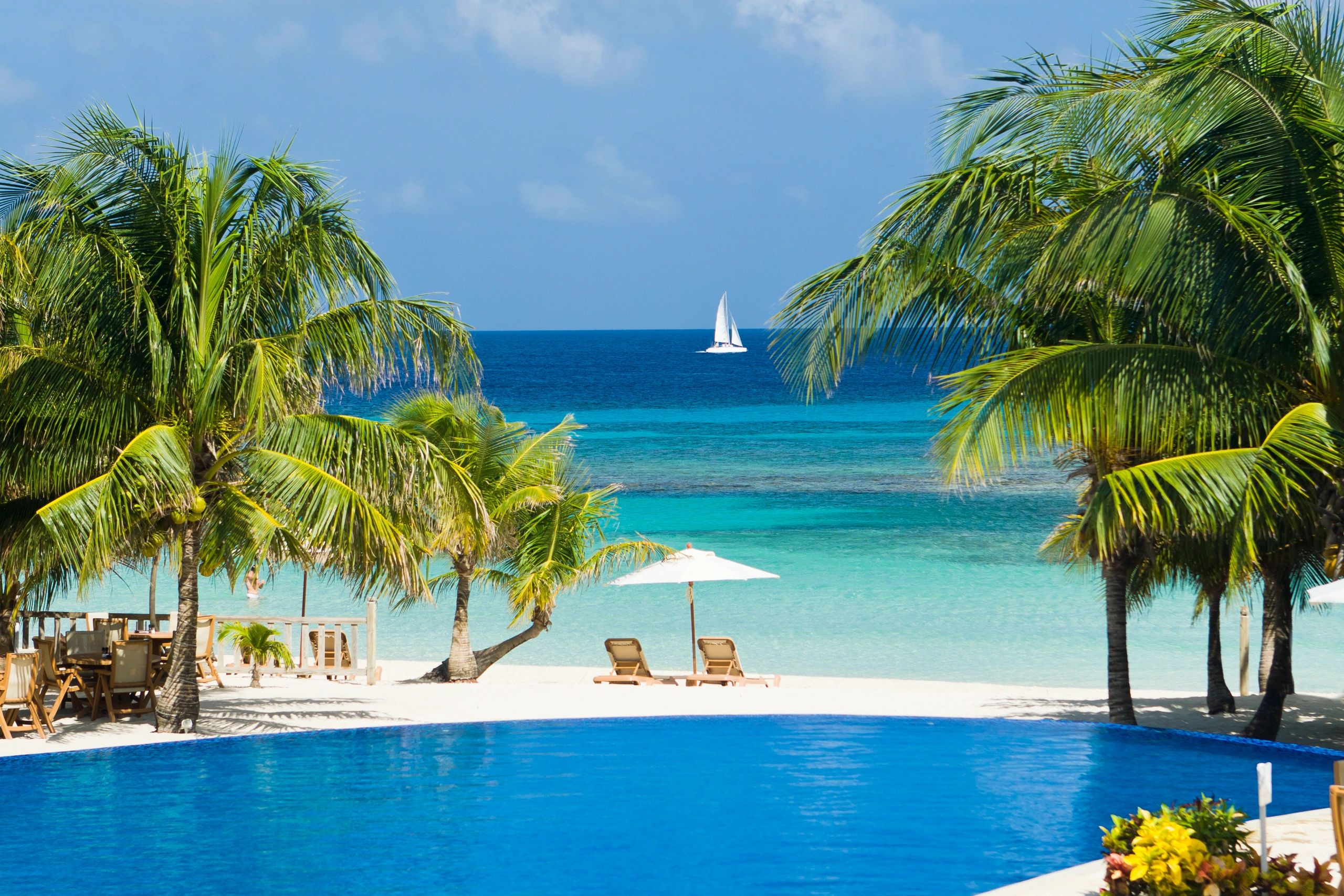
Discover the Magic of Roatan: Where Adventure Meets the Caribbean Sea
Nestled in the western Caribbean just off the coast of Honduras, Roatan emerges as a premier destination for travelers seeking both relaxation and hands-on marine adventures. Renowned for its iridescent turquoise waters, thriving coral reefs, and teeming underwater biodiversity, this island offers more than just picturesque beaches—it’s a gateway to one of the most immersive aquatic experiences available today. Among its standout attractions are structured dolphin interaction programs that allow visitors to engage safely and respectfully with these intelligent marine mammals in their natural habitat.
These programs are designed with both education and conservation in mind, helping participants understand dolphin behavior, communication, and the importance of protecting their marine environment. Whether you’re a first-time visitor or a seasoned eco-tourist, spending a day as a dolphin trainer provides a rare opportunity to learn about animal care, marine biology, and sustainable tourism practices—all while making lasting memories.
In the following sections, you’ll discover what to expect during a Dolphin Trainer-for-a-Day experience, how to prepare for your visit, and practical tips for choosing a responsible, ethical program that prioritizes animal welfare and environmental stewardship.
How to Join the Dolphin Trainer-for-a-Day Experience in Roatan
Ready to dive into a unique marine adventure in Roatan, Honduras? The Dolphin Trainer-for-a-Day program offers an immersive opportunity to learn, interact, and contribute to dolphin care under professional supervision. Follow this step-by-step guide to secure your spot and make the most of this unforgettable experience.
-
Research and Book in Advance
Start by identifying authorized programs in Roatan that adhere to ethical animal interaction standards. Due to high demand, especially during peak tourist seasons, booking 4–6 weeks ahead is advisable. Confirm availability through official channels and verify prerequisites like age, swimming ability, and health restrictions. -
Complete Required Paperwork and Waivers
Upon registration, you’ll need to review and sign liability waivers and educational materials outlining dolphin behavior and facility protocols. Some programs require pre-arrival forms, including medical disclosures—ensure these are submitted on time. -
Prepare Physically and Mentally
The day involves moderate physical activity—wading, swimming, and prolonged sun exposure. Wear quick-dry clothing, reef-safe sunscreen, and bring a towel. Arrive well-rested and hydrated, ready to absorb marine education segments. -
Follow Safety and Interaction Guidelines
Participants receive on-site training on communication cues, feeding techniques, and hygiene protocols. Always obey staff instructions—dolphins are powerful animals and safety depends on structured interactions. Respect water depth zones and animal body language cues. -
Engage Fully and Reflect
Beyond training tasks, take time to ask questions and understand conservation efforts in Honduras’ coastal ecosystems. Many programs include a certificate of participation and digital photos—ideal for sharing responsibly.
By planning ahead and approaching the experience with respect and curiosity, you’ll gain rare insight into marine mammal care while supporting ethical ecotourism in Roatan.
Top 5 Highlights of the Dolphin Trainer-for-a-Day Experience in Roatan
-
Swim with Dolphins in Their Natural Habitat
One of the most unforgettable moments is the opportunity to swim alongside dolphins in the turquoise waters off Roatan’s coast. Unlike traditional captive programs, eco-conscious facilities in Honduras prioritize open-pen enclosures or natural lagoons that mimic wild environments. Participants learn how dolphins use echolocation and social signals while engaging in guided, respectful interactions that emphasize animal well-being. -
Hands-On Training Sessions with Marine Experts
Step into the role of a real marine trainer by practicing fundamental techniques under expert supervision. Learn how positive reinforcement, hand signals, and consistency are used to teach dolphins behaviors like tail slaps and synchronized swimming. This behind-the-scenes look demystifies animal cognition and emphasizes patience and observation as key skills in marine mammal care. -
Deepen Your Marine Conservation Knowledge
Education is a core component—participants explore local threats like microplastics, coral bleaching, and coastal development affecting Honduras’ marine ecosystems. Interactive briefings reveal how conservation programs in the Roatan marine reserve help protect endangered species and preserve biodiversity through sustainable tourism practices. -
Capture Professional Photos and Lifelong Memories
Preserve your experience with high-quality, professionally shot photos taken during your swim and training session. These images, often available digitally, serve as a meaningful memento while supporting ethical photography standards that avoid intrusive flash or disturbance to animals. -
Receive a Certificate of Participation and Achievement
At the end of the day, participants are awarded a personalized certificate recognizing their contribution to marine education and responsible ecotourism. This document adds value for school programs, volunteer portfolios, or future marine science pursuits, making it especially appealing to families and students.
Dolphin Trainer-for-a-Day: Your Top Questions Answered
What are the age and skill requirements for the dolphin trainer experience?
Participants must typically be at least 8 years old, with parental consent required for minors. No prior swimming skills are necessary for introductory programs, but basic water comfort is recommended. For deeper interaction sessions, participants may need to demonstrate swimming ability and pass a brief water safety assessment on-site.
Is water safety monitored during the dolphin trainer program?
Yes—safety is a top priority. Trained lifeguards and marine staff are present at all times during the water sessions. Shallow training areas, life vests, and buddy systems ensure a secure environment, especially for first-time participants. All sessions are conducted in controlled, calm waters off the coast of Roatan.
How do facilities in Roatan ensure dolphin welfare during human interactions?
Reputable dolphin centers adhere to strict animal care protocols aligned with international marine mammal guidelines. Enrichment activities, limited daily guest interactions, and veterinarian oversight help maintain the dolphins’ physical and psychological health. Sessions emphasize natural behaviors like echolocation and pod communication.
When is the best time to visit Roatan for this experience?
The dry season from late February to June offers the most reliable weather, calm seas, and clear water—ideal for marine activities. Early morning sessions often provide cooler temperatures and more active dolphin behavior. Book in advance, especially during spring break and holiday weeks.
Are eco-friendly practices part of the dolphin trainer experience?
Yes—many programs in Roatan follow sustainable tourism principles, including reef-safe sunscreen policies, plastic-free operations, and partnerships with local marine conservation initiatives. Educational briefings often include Caribbean ecosystem protection and responsible wildlife tourism.
What should I bring for my dolphin trainer-for-a-day session?
Pack a swimsuit, towel, reef-safe sunscreen, and a water-resistant camera. Lockers are usually available. Wear water shoes if you’re sensitive to coral or rocky entry points. Avoid heavy jewelry or loose accessories.
How long does a full dolphin trainer experience last?
Most programs run 2–4 hours, including orientation, safety training, shallow-water interaction, and a behind-the-scenes education segment on dolphin diets and daily care routines.
Make Waves the Right Way: How to Experience Dolphins with Purpose
Choosing to participate in a dolphin encounter isn’t just about checking an item off a bucket list—it’s an opportunity to support marine education, conservation, and ethical tourism. In destinations like Roatan, Honduras, where marine ecosystems thrive, travelers have the power to make choices that protect these environments while creating meaningful, lifelong memories. The most impactful experiences prioritize animal well-being, emphasize natural behaviors, and are led by trained professionals committed to science-based practices.
When evaluating a dolphin program, look for transparent practices: limited interaction times, no forced performances, and a strong focus on education about ocean health and species preservation. Avoid facilities that allow swimming with very young calves or encourage unnatural tricks. Instead, opt for trainer-for-a-day programs that let participants observe care routines, assist with feeding under supervision, and learn about dolphin cognition and communication—all without compromising animal welfare.
To ensure a responsible visit:
- Research facility credentials and animal care standards in advance
- Choose programs that contribute to marine research or local conservation efforts
- Ask questions about rescue and rehabilitation initiatives during your visit
- Share your experience with a focus on education and preservation
By engaging mindfully, you help shift the tourism industry toward ethical practices—and become an advocate for dolphins long after your trip ends. Your next adventure can make a difference.
Discover more from UnzipWorld: DIY, E-commerce, Fashion & Tech Insights
Subscribe to get the latest posts sent to your email.