
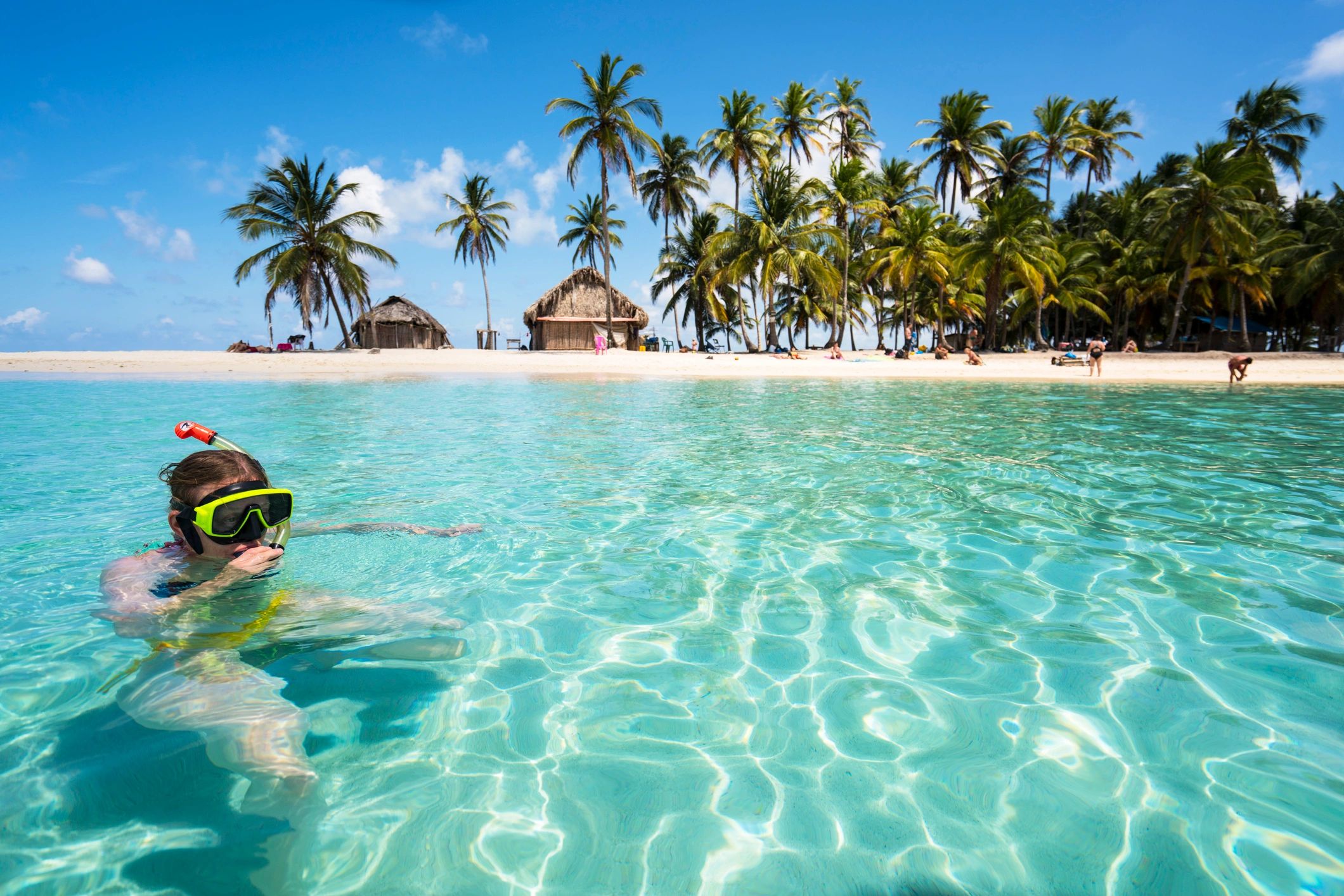
Escape to the San Blas: A Cultural and Ecological Treasure
Tucked along Panama’s northeastern Caribbean coast lies the San Blas Islands—an untouched archipelago of over 350 cays where turquoise waters meet powdery white sands and a unique cultural legacy thrives. This autonomous territory, officially known as Kuna Yala, is governed by the indigenous Kuna people, who have preserved their traditions, language, and sustainable way of life for generations. Far from mass tourism, San Blas offers an authentic island-hopping adventure rooted in community-based ecotourism and deep respect for nature.
Travelers exploring the San Blas Islands experience more than pristine beaches—they engage with a culture that lives in harmony with its environment. The Kuna practice traditional fishing, cultivate coconut and manioc, and build homes using natural materials—all without relying on mainland electricity or modern waste systems. Their off-grid lifestyle offers valuable lessons in sustainability, especially for eco-conscious travelers seeking meaningful, low-impact experiences.
In the following sections, you’ll learn how to plan a respectful island-hopping journey, understand local customs before arrival, navigate transportation logistics, and make choices that support responsible tourism in this fragile, beautiful region.
Plan Your Island-Hopping Journey in Guna Yala: A Responsible Traveler’s Guide
Embarking on an island-hopping adventure through Guna Yala, Panama, offers an unparalleled opportunity to connect with Indigenous culture, pristine nature, and turquoise waters—but doing it right requires thoughtful planning. Follow these steps to ensure your journey is both seamless and respectful.
-
Understand Entry Requirements and Access Points
Guna Yala is an autonomous Indigenous territory, and access is regulated. Most travelers enter via Cartí or Sapzurro from nearby towns like Necoclí (Colombia) or from Panama City by boat or charter. Confirm the latest travel advisories and community entry protocols, as rules can change based on local governance decisions. -
Book Through Community-Verified Networks
Opt for homestays or sailboat tours managed directly by Guna community cooperatives. These programs support local economies and ensure your presence aligns with cultural norms. Advance booking is advised, especially during dry season (December–April), when demand peaks. -
Respect Cultural Protocols
Learn basic Guna etiquette: dress modestly, ask permission before photographing people, and refrain from bringing alcohol or drones. The Kuna place high value on dignity and environmental stewardship—honor that by minimizing plastic use and supporting eco-conscious practices. -
Travel Light and Navigate Thoughtfully
Inter-island travel is typically by small lancha (water taxi). Coordinate return trips in advance, as schedules are informal. Use marked trails and avoid disturbing sacred areas or wildlife habitats. -
Leave No Trace
Pack out all waste, use reef-safe sunscreen, and support local conservation by participating in community-led beach clean-ups or marine monitoring when available.
By planning with purpose, you help preserve Guna Yala’s ecological and cultural integrity for generations.
Top 5 Highlights of Visiting the San Blas Islands
-
Pristine Beaches with Untouched Natural Beauty
The San Blas Islands boast some of the most unspoiled white-sand beaches in the Caribbean, where turquoise waters meet lush coconut palms in perfect harmony. Unlike crowded tourist hubs, these remote islands offer serenity and exclusivity, making them ideal for travelers seeking authentic, low-impact destinations. The soft coral sand stays cool underfoot, and the absence of large-scale development preserves the natural landscape. For eco-conscious visitors, minimizing footprint is easy—opt for reusable gear and avoid coral trampling when wading ashore. -
Handcrafted Molas: A Glimpse into Kuna Culture
Molas, the intricate textile art of the Kuna people, are more than souvenirs—they’re storytelling canvases. Made using a reverse-appliqué technique, each mola reflects spiritual beliefs, nature patterns, or daily life. When visiting local congos (governed island communities), observe artisans at work and learn how colors and symbols carry meaning. Support cultural preservation by purchasing directly from cooperatives, ensuring income stays within the community. -
Coconut-Based Island Cuisine
Taste the tropical essence of San Blas through its coconut-rich dishes, such as tortuga de boco, a savory crab and coconut stew, or chicheme, a sweet drink made from ground corn and coconut milk. Meals are cooked over open flames using freshly harvested ingredients, emphasizing sustainability and local sourcing. Try the bollo, a banana leaf-wrapped snack filled with fish and coconut, perfect for island picnics. -
Snorkeling in Pristine, Biodiverse Waters
Beneath the surface lies a thriving underwater world—vibrant coral reefs, schools of angelfish, and gentle nurse sharks in crystal-clear visibility. The absence of industrial tourism helps maintain water quality and marine health. Bring a reef-safe mask and snorkel, and always avoid touching coral or feeding fish to protect this fragile ecosystem. -
Insight into Indigenous Self-Governance
The Kuna Yala territory operates under its own autonomous governance, managed through local congos. Visitors gain rare insight into decision-making rooted in tradition, land stewardship, and collective well-being. Respectful engagement—listening first, asking thoughtful questions—fosters meaningful cultural exchange and supports responsible tourism in this protected region.
Island-Hopping with the Kuna: Your Guna Yala Questions Answered
Is Guna Yala safe for travelers?
Yes, Guna Yala is generally safe for visitors who respect local customs and follow community guidelines. As an autonomous indigenous territory, the region operates under the authority of the Guna people, who maintain strong social order. Most risks are environmental—such as strong tides or boat travel—rather than interpersonal. Always travel with licensed guides and registered operators to ensure safety and compliance.
What cultural etiquette should I follow in Guna Yala?
Respect is central to Guna hospitality. Always ask permission before photographing people, homes, or molas (traditional textiles). Dress modestly, especially in villages, and avoid public displays of affection. The Guna are deeply proud of their traditions, so listen attentively during community meetings and refrain from arguing or raising your voice. Gifts like school supplies or fishing gear are often appreciated more than cash.
Are there environmental rules I need to follow?
Absolutely. Guna Yala enforces strict eco-guidelines to protect fragile coral reefs and mangroves. Use reef-safe sunscreen, pack out all trash—including biodegradable items—and never step on coral. Fishing is regulated; only participate in guided excursions. Single-use plastics are banned in many communities, so bring reusable bottles and bags.
How does boat transport work between islands?
Inter-island travel is by motorized lancha (skiff), arranged through local cooperatives. Schedules vary by village and weather. Expect basic seating and exposure to sun and spray—bring a hat, water, and dry bag. Transfers require advance coordination, so plan your route with local hosts or licensed operators.
Are there visitor restrictions in Guna Yala?
Yes. All travelers must register upon entry and pay a small tourism tax. Overnight stays require host approval or licensed lodging. Some sacred islands and ceremonial sites are off-limits to tourists. Always check current access rules with community authorities or your transport provider before travel.
Travel with Purpose: Preserve Paradise in San Blas
Island-hopping through the San Blas archipelago offers more than sun, sand, and turquoise waters—it’s a rare opportunity to engage with the Kuna Yala people and their ancestral maritime culture. As travelers seek authentic, off-the-beaten-path experiences, it’s essential to approach this unique destination with respect, awareness, and a commitment to sustainability. The Kuna have maintained sovereignty over their territory for generations, protecting both their cultural traditions and the fragile ecosystems of the Caribbean coast.
To travel responsibly in San Blas, start by choosing community-led tours that prioritize local employment and decision-making. Seek out experiences that include cultural exchanges—like traditional cooking, mola-making, or storytelling—conducted on the Kuna’s terms. Avoid intrusive photography and always ask permission before entering sacred spaces or documenting daily life.
Support low-impact practices: bring reusable water containers, avoid single-use plastics, and use biodegradable sunscreen to protect coral reefs. Respect marine protected zones and refrain from touching wildlife or harvesting shells.
By aligning your visit with principles of indigenous self-determination and environmental stewardship, you contribute to the long-term preservation of San Blas. Let your journey be one of connection, not consumption. When tourism supports local autonomy and conservation, every island you visit remains vibrant for generations to come.
Discover more from UnzipWorld: DIY, E-commerce, Fashion & Tech Insights
Subscribe to get the latest posts sent to your email.